흑백요리사 Restaurants You Can Actually Book in Seoul
The show made them famous. CatchTable makes them bookable. Here are the Culinary Class Wars restaurants that are still taking reservations.
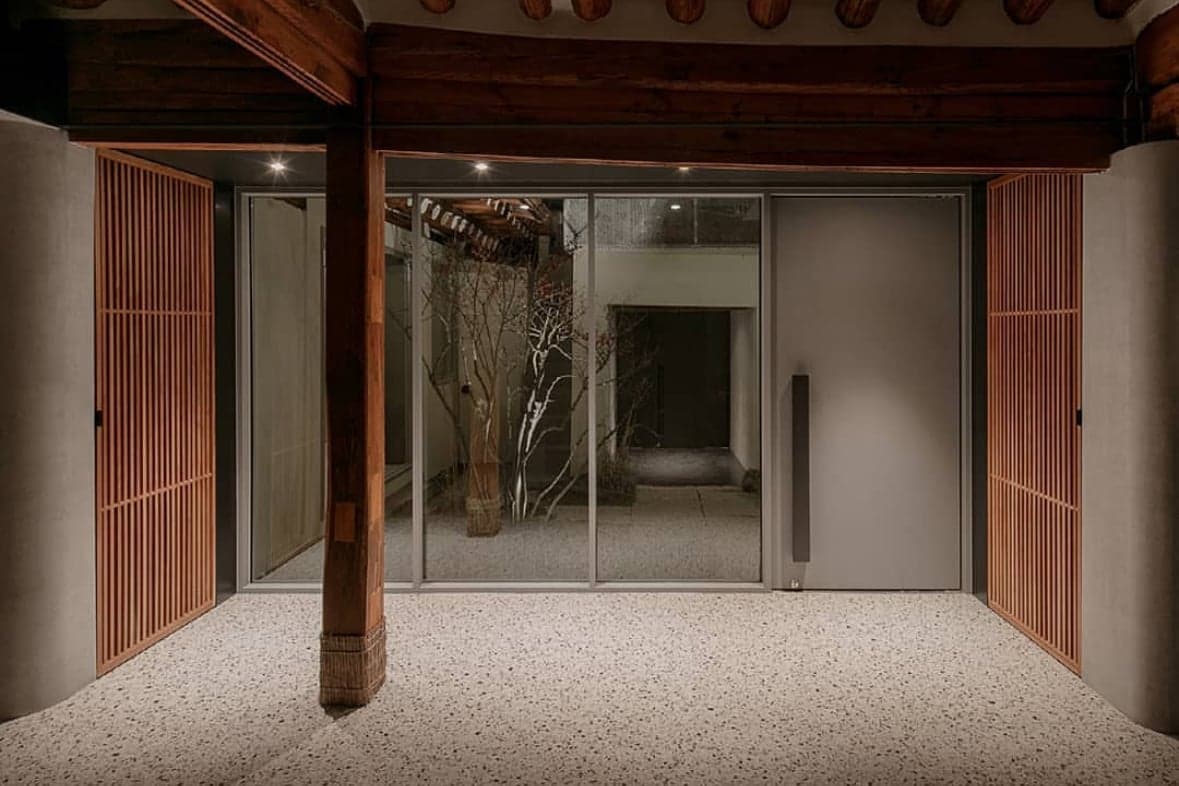
흑백요리사 (Culinary Class Wars) did to Korean restaurants what Squid Game did to Korean TV — it turned a domestic obsession into a global one. The Netflix cooking competition pitted anonymous home cooks against celebrity chefs, and when the masks came off, viewers rushed to book tables at the contestants' restaurants.
Some of those restaurants are now permanently booked. But others? You can still get a table if you know where to look. CatchTable curates a running list of TV-featured restaurants that are actually bookable. Here are the highlights.
Mangata — Samcheong
4.8★ (1,013 reviews) · European Cuisine · ₩80,000–₩90,000
📍 Find it 서울 종로구 삼청로2길 40-5 (소격동 88-17) View on Naver Map ↗
The fine-dining entry on this list. Mangata in Samcheong-dong serves European cuisine with Korean sensibility — seasonal ingredients, precise technique, beautiful plating. At ₩80,000–₩90,000 per person it's a splurge, but the 4.8 rating from over 1,000 Korean diners says the experience delivers.
The Culinary Class Wars appearance turned an already-popular restaurant into a reservation war zone. Book well in advance.
Osteria Sam Kim — Hapjeong
4.5★ (2,605 reviews) · Italian · ₩10,000–₩70,000
📍 Find it 서울 마포구 양화로3길 55 에이동 2층 (합정동 386-37) View on Naver Map ↗
Chef Sam Kim's Italian restaurant in Hapjeong is the most accessible restaurant on this list — both in price (starting at ₩10,000) and in reservations. With over 2,600 reviews, this place was already a neighborhood institution before the show. The pasta is handmade, the wine list is Korean-sommelier-curated, and the vibe is Hapjeong casual.
The wide price range means you can do a quick pasta lunch or a full multi-course dinner. Either way, you're eating food from a TV chef at regular-restaurant prices.
Monologue — Cheongdam
4.8★ (615 reviews) · Japanese · Lunch ₩90,000 / Dinner ₩350,000
📍 Find it 서울 강남구 도산대로 442 하우스오브신세계청담 1층 (청담동 4-1) View on Naver Map ↗
The polar opposite of accessible. Monologue is a Cheongdam omakase experience where dinner runs ₩350,000 per person. This is the kind of restaurant where the chef decides what you eat, the ingredients were flown in from Tsukiji that morning, and you don't ask for the bill — you already know.
Closed Thursdays and Fridays. The exclusivity is part of the point.
KAPPO AKII Samseong — Samseong
4.7★ (2,370 reviews) · Izakaya · ₩10,000–₩80,000
📍 Find it 서울 강남구 테헤란로 610 글래드코엑스센터 B2 (대치동 995-16) View on Naver Map ↗
A Japanese izakaya that became a CatchTable powerhouse with nearly 2,400 reviews. KAPPO AKII in Samseong does izakaya dining the way Koreans love it — shared plates, excellent sashimi, cold beer, and a late-night vibe (open until 12:30 AM). The Culinary Class Wars boost added fuel to an already-roaring fire.
The ₩10,000–₩80,000 range means you can control your spend. Most Korean diners hit the ₩30,000–₩50,000 sweet spot.
Paopao Restaurant — Gwanghwamun
4.3★ (425 reviews) · Chinese · ₩10,000–₩200,000
📍 Find it 서울 종로구 종로 19 1층 123-1호 (종로1가 24) View on Naver Map ↗
Chinese fine dining in Gwanghwamun with a massive price range — you can do a casual dim sum lunch for ₩10,000 or go full banquet at ₩200,000. Paopao's appearance on Culinary Class Wars highlighted the growing Chinese cuisine scene in Seoul, which has been quietly leveling up beyond the 짜장면 (jjajangmyeon) joints of Chinatown.
ICE CREAM SOCIETY — Seocho
4.4★ (7 reviews) · Cafe & Dessert · ₩10,000–₩40,000
📍 Find it 서울 서초구 신반포로 176 하우스 오브 신세계 B1 (반포동 19-3) View on Naver Map ↗
The newest and smallest entry — only 7 reviews so far. ICE CREAM SOCIETY is a dessert concept from a Culinary Class Wars contestant that's just getting started. The low review count means this is your chance to get in before the hype catches up. These early-stage openings from TV chefs tend to explode within weeks.
Daedongok Euljiro (대동옥) — Euljiro
4.4★ (262 reviews) · Korean Dishes · ₩10,000–₩30,000
📍 Find it 서울 중구 을지로12길 8 1층 (을지로3가 334-8) View on Naver Map ↗
Traditional Korean food in Euljiro's old-school restaurant district. Daedongok is the kind of place that Culinary Class Wars celebrates — decades of experience, honest cooking, no shortcuts. The ₩10,000–₩30,000 price range and late hours (open until midnight) make it perfect for a post-soju proper meal.
The Culinary Class Wars Effect
The show didn't just make these restaurants famous — it changed how Koreans think about dining. Before 흑백요리사, "celebrity chef" in Korea mostly meant TV personalities who sold branded sauces. After the show, Koreans started seeking out the actual restaurants behind the chefs. CatchTable reported a massive surge in reservations for every restaurant connected to the show.
For visitors to Korea: This is a rare opportunity to eat at restaurants you've seen on a global Netflix show, at prices that range from ₩10,000 to ₩350,000. Try Osteria Sam Kim or Daedongok for the affordable experience. Save Monologue for a special occasion.
Book on CatchTable — it's free, in English, and it's the only way to guarantee a table at most of these spots.
Data from CatchTable, April 2026.
Keep Reading
More Stories
Spinach Is Up 152% in a Month. It's Also Cheaper Than It Was Last August.
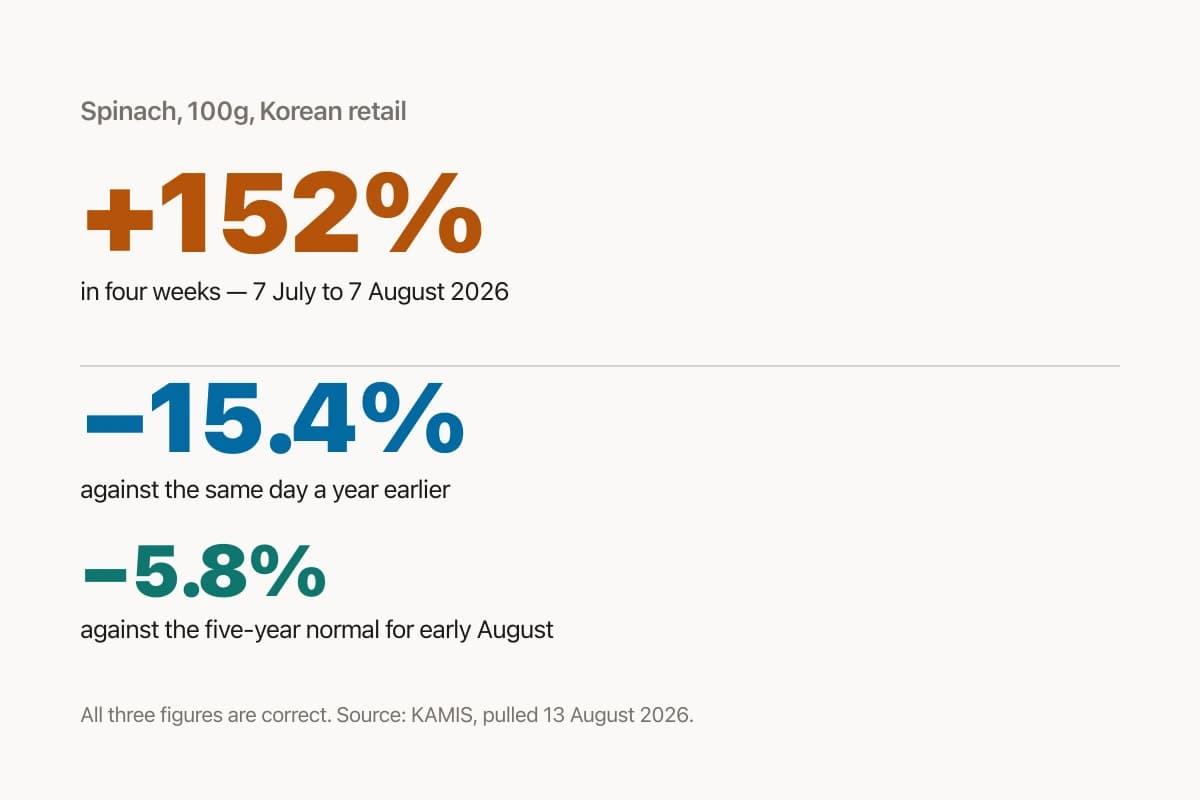
Korean vegetable prices produced a genuinely alarming number this month: spinach at ₩1,978 per 100g on 7 August, up from ₩784 four weeks earlier. Both figures are real and we pulled them ourselves. But spinach is currently 15% cheaper than it was a year ago and below the five-year normal — and the agriculture ministry has taken the unusual step of asking people to stop making the comparison that produced the headline.
The ₩18,154 Bowl: How Korea's Hottest-Day Ritual Got Priced Out
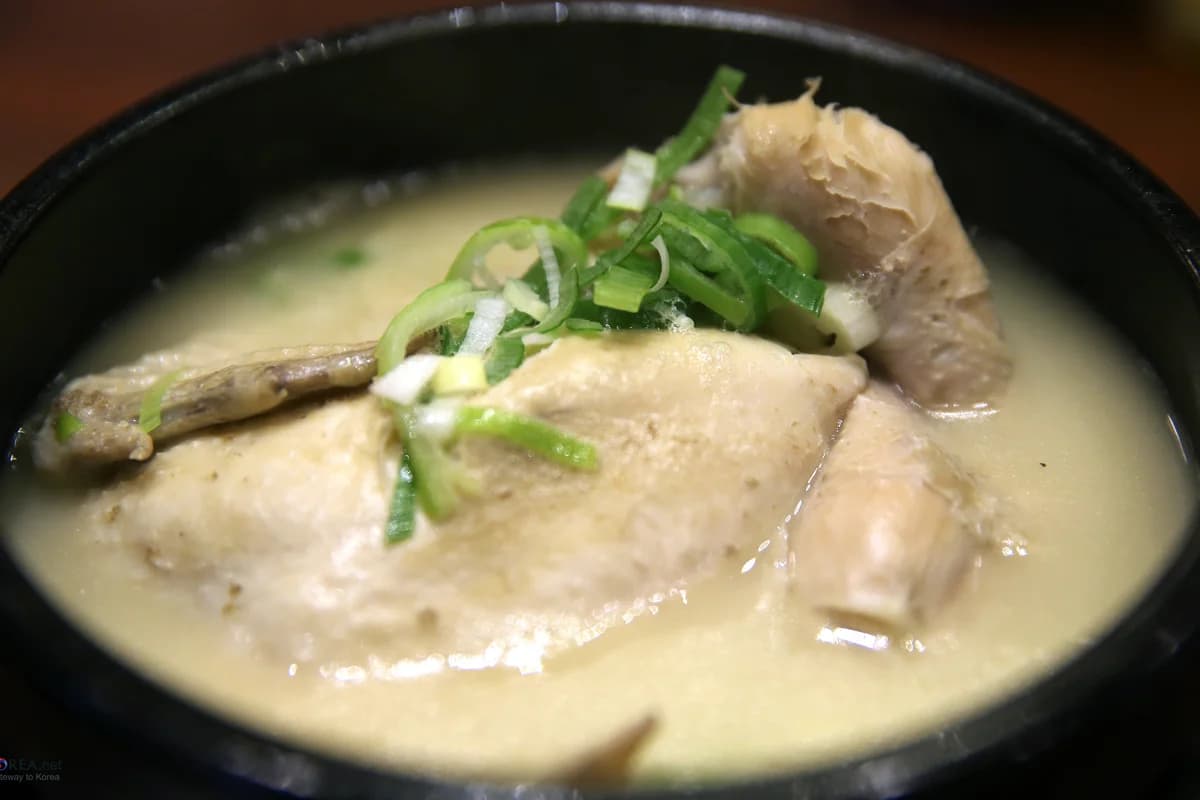
On the hottest days of the year, Koreans queue for boiling chicken soup. But samgyetang now costs ₩18,154 in Seoul — while the same ingredients run ₩8,800 at a market. Jungbok falls on July 25. A guide to boknal, the logic of fighting heat with heat, and why the convenience-store version isn't the end of a tradition.
What Is Soju? Korea's Green-Bottle Spirit, Explained
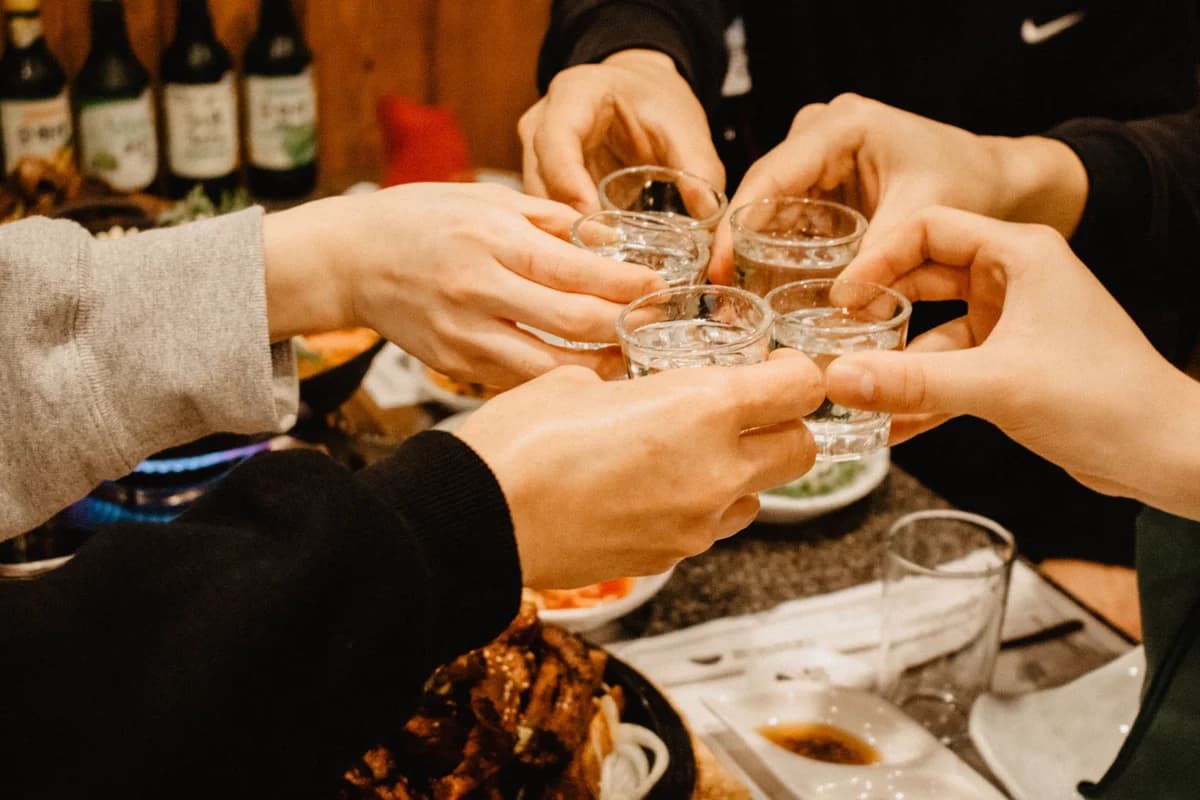
It's the best-selling spirit brand on Earth, and most people outside Korea couldn't pick it out of a lineup. A field guide to soju: what's actually in the green bottle, how a 1965 rice ban created the modern version, why it's suddenly conquering export markets — and how to drink it like you know what you're doing.
The Weekly Dispatch
Korea, curated. Every week.
The best of K-culture, straight from Seoul. Written by people who actually live here.
Free, no spam, unsubscribe whenever.