The 8 Best Naengmyeon in Seoul, Ranked
Search for 냉면 just spiked 47% on Naver. Here are the eight Seoul restaurants Koreans actually line up for — with Michelin nods, century-long lineages, and the refugee history behind one entire street.
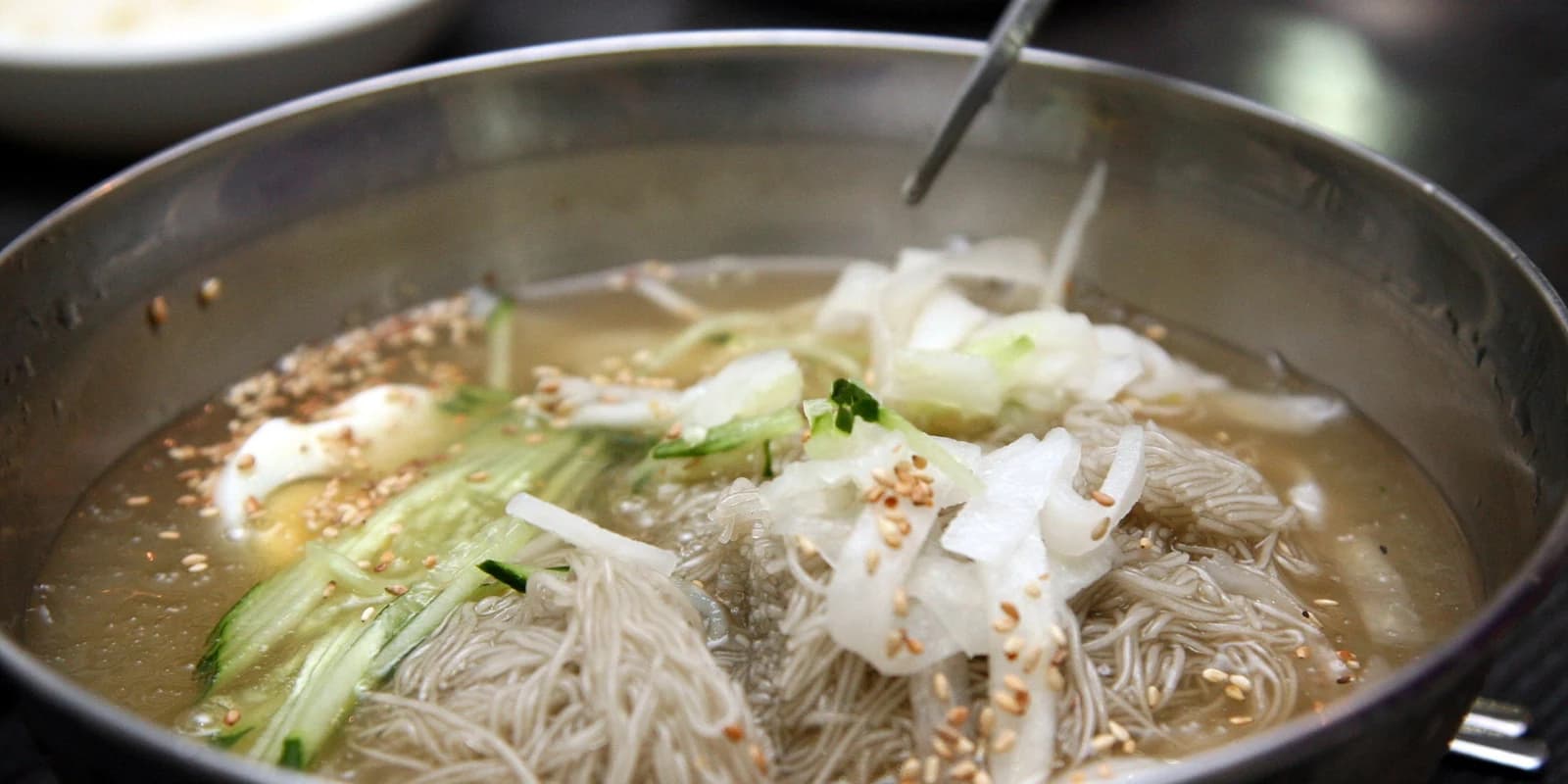
When the temperature in Seoul crosses 20°C, something changes. Koreans start searching for one specific word: 냉면 (naengmyeon). Over the past four weeks, search volume for naengmyeon on Naver is up 47% — the clearest seasonal food signal of the entire spring.
Naengmyeon isn't just cold noodles. It's one of Korea's most argued-about dishes: two rival styles, a literal street in Seoul built by North Korean war refugees, and a handful of restaurants where Koreans happily stand in line for 40 minutes in 30°C heat. The Michelin Guide has been quietly naming a rotating cast of naengmyeon spots in its Bib Gourmand selection for almost a decade.
Here are the eight worth the line.
First: The Two Styles, Explained
Before you order, you need to know which camp you're in.
평양냉면 (Pyongyang naengmyeon) — buckwheat noodles in a clear, cold broth. The broth is the point: made from beef (or beef + dongchimi, a non-spicy radish water kimchi), served icy, often with actual ice cubes floating. Flavors are subtle — almost too subtle on first taste. First-timers famously call it "dishwater." Koreans call those same first-timers yet to become converts. It's the sophisticated, minimalist, Seoul-restaurant-critic darling style.
함흥냉면 (Hamheung naengmyeon) — sweet potato starch noodles, chewy to the point of needing scissors, served either in a fiery gochujang-based sauce (bibim naengmyeon) or topped with seasoned raw skate or flatfish sashimi (hoe naengmyeon). No broth in the classic version. Aggressive, spicy, unforgettable. It's the comfort-food style — and its Seoul home is a single street in Ojang-dong built by refugees from the North.
Both trace back to pre-war Korea. Both came south with Korean War refugees in the early 1950s. One street in Jung-gu — Ojangdong Hamheung Naengmyeon Street — exists only because Hamgyeong-do refugees clustered there and started cooking their hometown dish.
With that context, the list.
1. Woo Lae Oak (우래옥) — Jugyo-dong, Jung-gu
Style: Pyongyang · Since: 1946 · Michelin Bib Gourmand
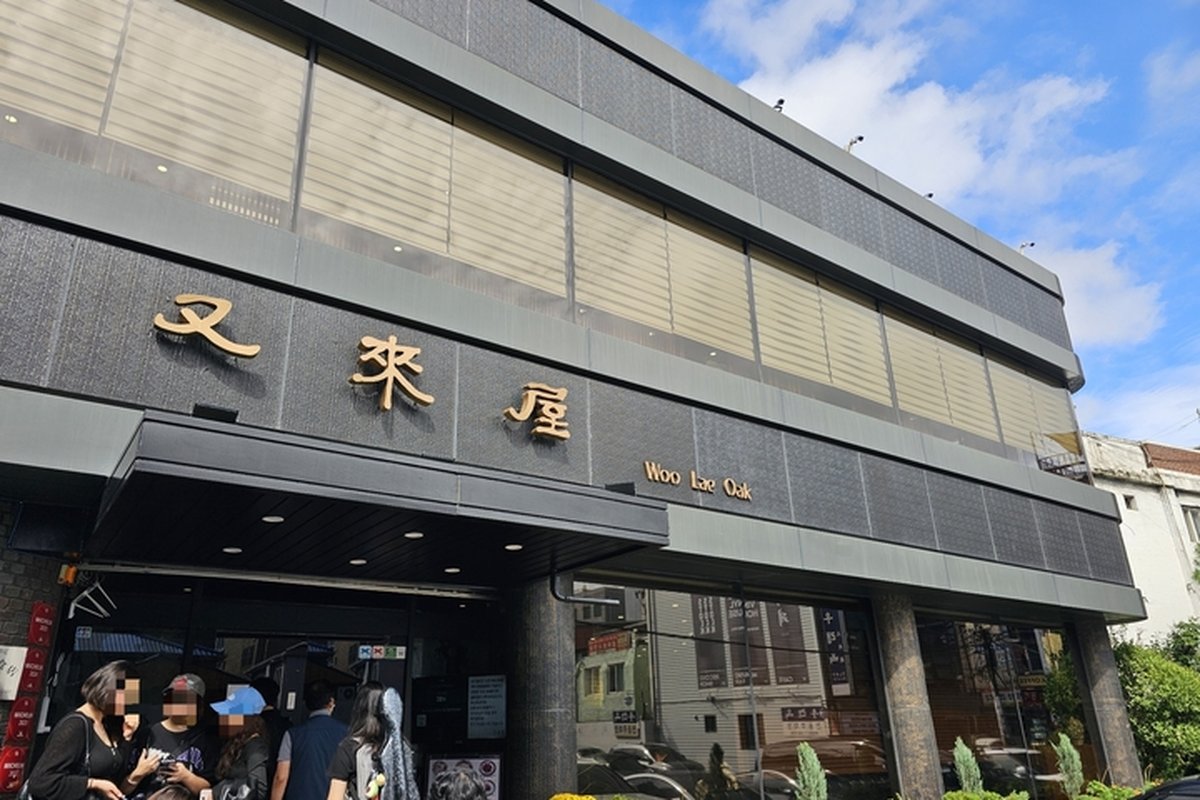
📍 Find it 서울 중구 창경궁로 62-29 (주교동 118-1) · 02-2265-0151 View on Naver Map ↗
The patriarch. Woo Lae Oak has been serving Pyongyang-style naengmyeon in central Seoul since 1946 — making it older than most neighborhoods in the surrounding area. Ask any Korean over 50 which naengmyeon is the "real one" and this is the answer you'll get most often.
The broth is the kind of understated that newcomers mistake for plain. Regulars understand: the entire point is the subtle balance of chilled beef broth with the buckwheat noodles' faint earthy flavor. Their bulgogi is also legendary, which is why you'll see tables ordering both at lunch.
What to order: Mul-naengmyeon (물냉면), the classic broth version. Bulgogi (불고기) on the side if you're staying. Getting in: No reservations. Arrive before noon or after 2pm. Line forms fast at peak lunch.
2. Eulmildae (을밀대) — Yeomni-dong, Mapo
Style: Pyongyang · Since: 1971
📍 Find it 서울 마포구 숭문길 24 (염리동 147-6) View on Naver Map ↗
Eulmildae has the kind of origin story that explains everything about why this list exists. The founder fled North Korea as a young woman and opened a small shop in Mapo in 1971. She named it after Eulmildae Pavilion — a real landmark in Pyongyang Castle she could no longer go home to. Fifty-plus years later, the restaurant is still open. The buckwheat noodles are pressed and pulled from the dough in-house.
Eulmildae's cult status comes from its bibim naengmyeon — the spicy dry version done in Pyongyang style, which is not what most people expect. They also do hoe-naengmyeon with raw fish for people who want a Pyongyang-Hamheung crossover.
What to order: Mul (물) for broth purists, Bibim (비빔) for the cult favorite, Hoe (회) if you like raw fish. Getting in: No reservations. Wait times under an hour typically, longer on weekends. Cash-friendly.
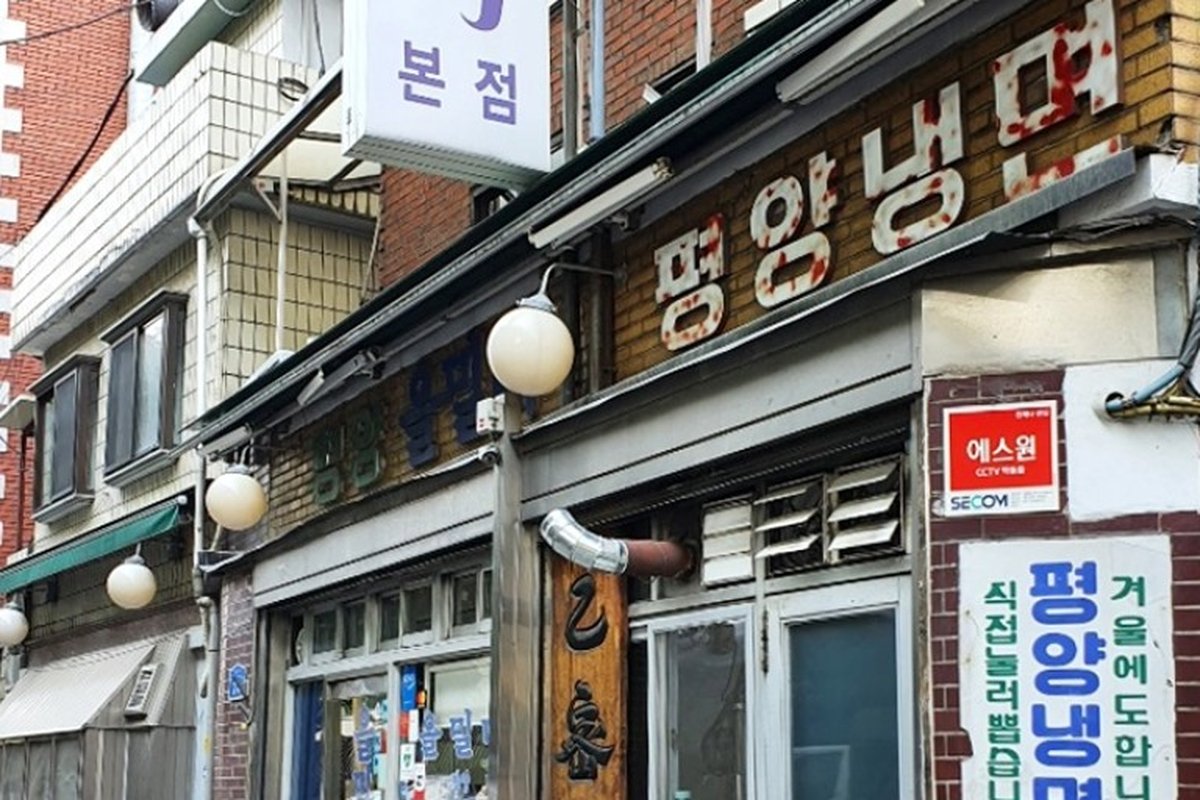
3. Pyeongyang Myeonok (평양면옥) — Jangchung-dong
Style: Pyongyang · Michelin Bib Gourmand · 4 generations [VERIFY]
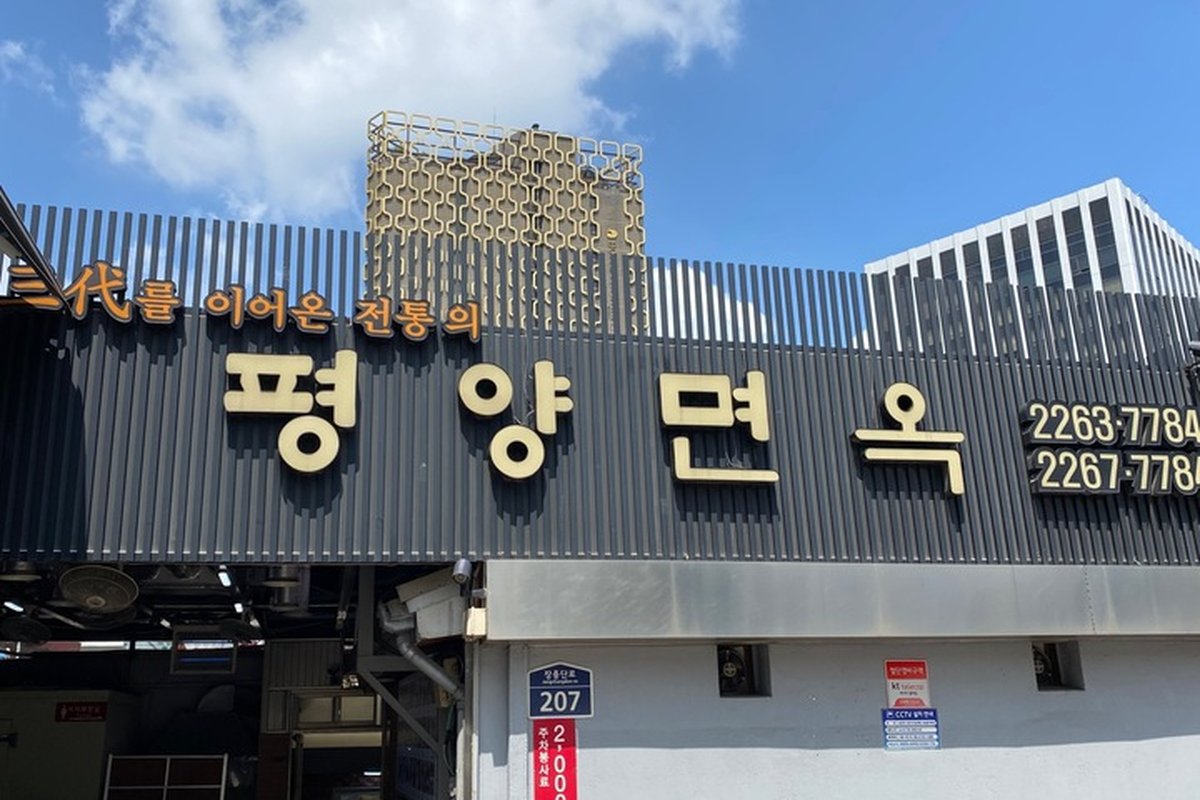
📍 Find it 서울 중구 장충단로 207 (장충동1가 13) View on Naver Map ↗
The purist's pick. Pyeongyang Myeonok in Jangchung-dong is where Seoul's old-guard food critics test each other — if you don't like this one, they'll politely conclude you haven't learned to taste yet.
The broth here is even more restrained than Woo Lae Oak's. Some describe it as Buddhist — clean to the point of austere. The noodles have the most prominent buckwheat flavor on this list. If you've only had naengmyeon at restaurants abroad, this is where the real thing will either click for you or not.
What to order: Mul-naengmyeon, no adjustments. Add vinegar and mustard at the table. Getting in: No reservations. Go early lunch (11:30-12:00) to avoid the line.
4. Pildong Myeonok (필동면옥) — Pil-dong, Jung-gu
Style: Pyongyang · Michelin Bib Gourmand
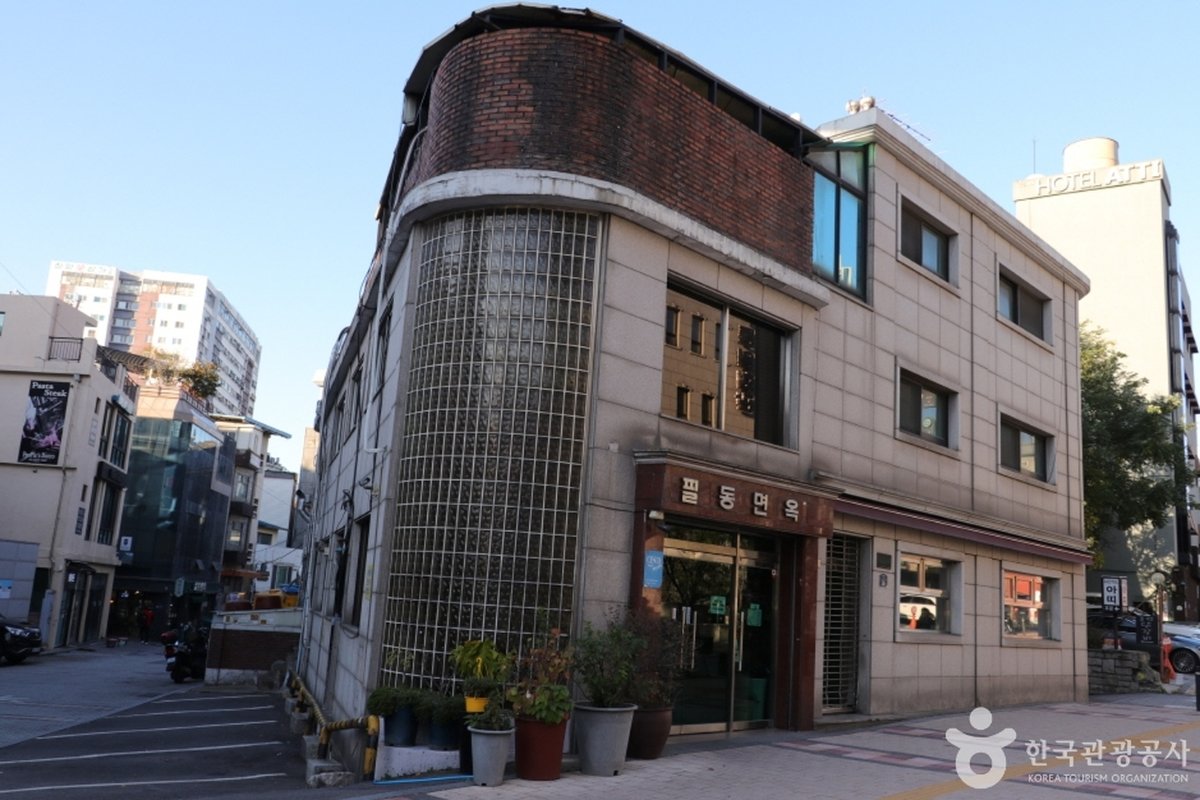
📍 Find it 서울 중구 서애로 26 (필동3가 1-5) View on Naver Map ↗
A Pil-dong neighborhood landmark near Chungmuro station and Namsangol Hanok Village. What makes Pildong Myeonok stand out from the Pyongyang pack is less the noodles themselves (which are excellent) and more the whole table: the chilled broth has a notable beef-forward flavor, their suyuk (boiled pork slices) are famously tender, and the homemade mandu are a destination order on their own.
This is the Pyongyang naengmyeon spot where you can bring a friend who doesn't "get" naengmyeon yet — they'll find something to love on the table.
What to order: Mul-naengmyeon + suyuk (수육) + mandu (만두). Order like a local. Getting in: No reservations. Popular with office lunches on weekdays.
5. Bongpiyang (봉피양) — Bangi-dong, Songpa
Style: Pyongyang · Michelin Bib Gourmand
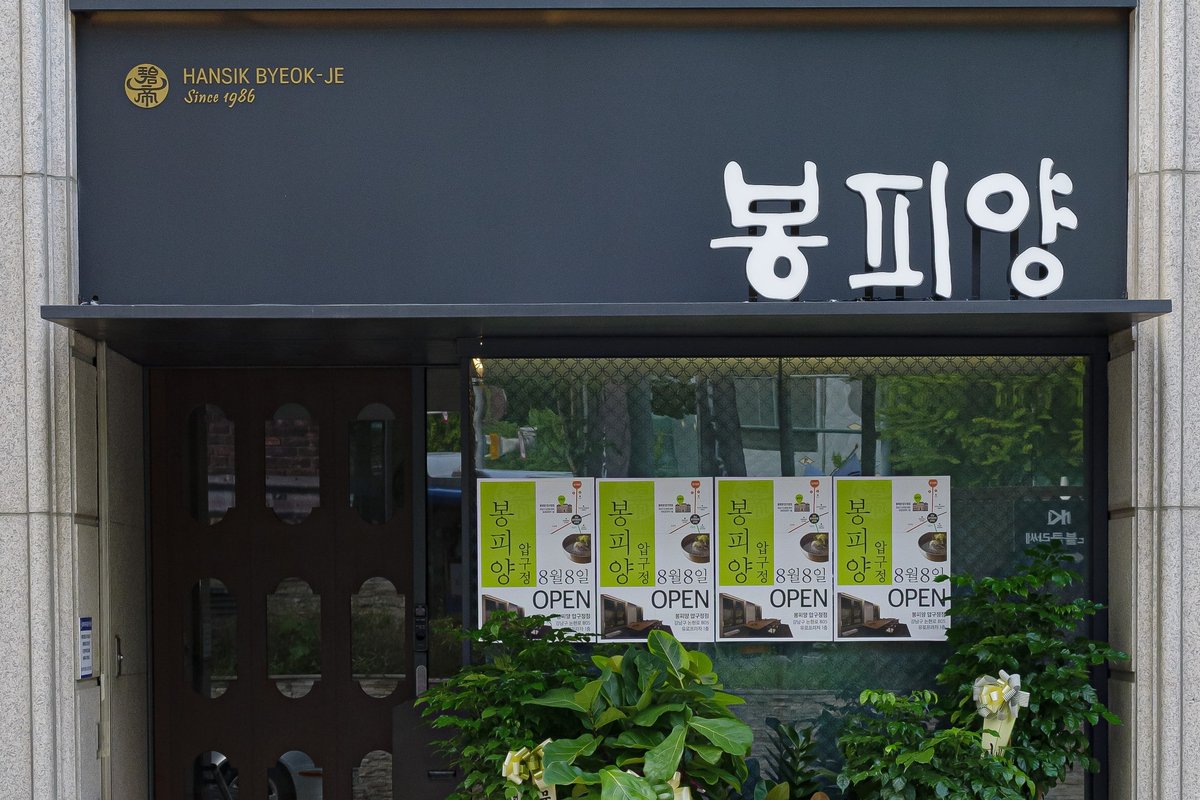
📍 Find it 서울 송파구 양재대로71길 1-4 (방이동 205) View on Naver Map ↗
Bongpiyang is the outlier — it's operated by the Byeokje Galbi group (Korea's most famous high-end barbecue restaurant group), and it specializes in Pyongyang naengmyeon and grilled pork ribs as a paired experience. The Michelin Guide recognized this pairing in its Bib Gourmand selection.
The naengmyeon here leans more aggressive than its peers — a fuller beef-broth flavor, with egg yolk strips instead of a hard-boiled egg, and fermented young mustard greens (gat-kimchi) on top. It's what a Pyongyang naengmyeon would taste like if it had been lightly Seoul-ified.
What to order: Naengmyeon (냉면) + dwaeji galbi (돼지갈비, pork ribs). The whole point of coming here. Getting in: Reservations help. Larger, more formal room than the old-school spots.
6. Ojangdong Hamheung Naengmyeon (오장동 함흥냉면) — Ojang-dong
Style: Hamheung · Since: 1953 · Michelin recognized multiple years
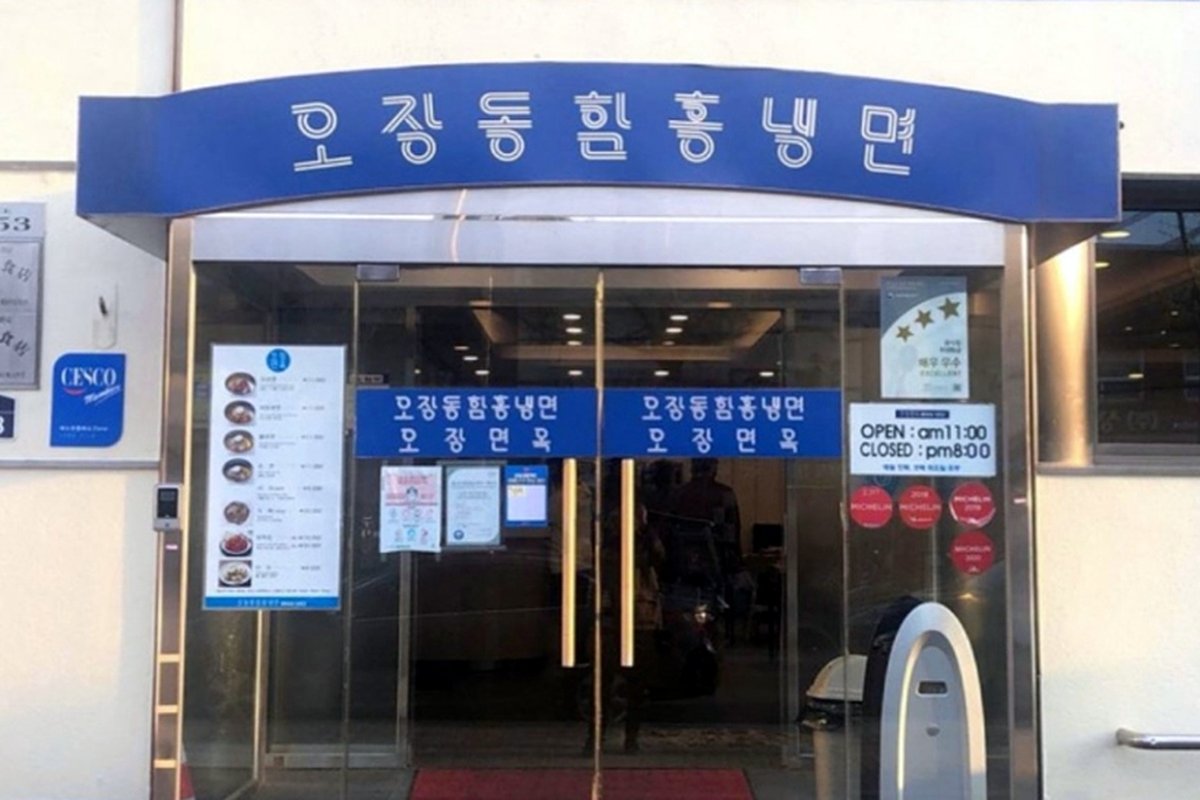
📍 Find it 서울 중구 마른내로 108 (오장동 90-10) View on Naver Map ↗
Now we're on the Hamheung side of the divide, and on the literal street that gave the style its Seoul home. Ojangdong Hamheung Naengmyeon was founded by Han Hyesun (한혜선) — who came south during the Korean War from Hamgyeong-do — in 1953. She started selling "starch noodles" on a street that would eventually be renamed for her cuisine.
The restaurant has been listed in the Michelin Guide in 2017-18 and again 2020-23. The chewy sweet potato starch noodles are shocking the first time — they're almost rubbery, and Korean servers hand out scissors for a reason. Covered in the signature sweet-sour-spicy sauce, topped with hoe (raw skate or flatfish), it's one of Seoul's most distinctive bowls.
What to order: Bibim-naengmyeon (비빔냉면) for the classic; Hoe-naengmyeon (회냉면) if you want the full North Korean refugee experience. Getting in: Lines. Floor seating in parts of the restaurant. Worth it.
7. Ojangdong Heungnamjip (오장동 흥남집) — Ojang-dong
Style: Hamheung · Since: 1953 · 4 generations
📍 Find it 서울 중구 마른내로 114 (오장동 101-7) View on Naver Map ↗
The first naengmyeon house on the Hamheung street. Founder Noh Yong-won (노용원) came from Heungnam, a port city in Hamgyeong-do Province, and opened here in 1953. Regulars originally called it "Heungnam Naengmyeon" — after his hometown — and the name stuck as Ojangdong Heungnamjip ("the Heungnam house in Ojang-dong"). It's now in its fourth generation.
The style is classic Hamheung: starch noodles, spicy sauce, raw skate sashimi. Slightly less touristed than its neighbor up the street. Old-Seoul atmosphere in the dining room.
What to order: Hoe-naengmyeon (회냉면) — the original refugee recipe. Getting in: Walk-in. Short line most weekdays.
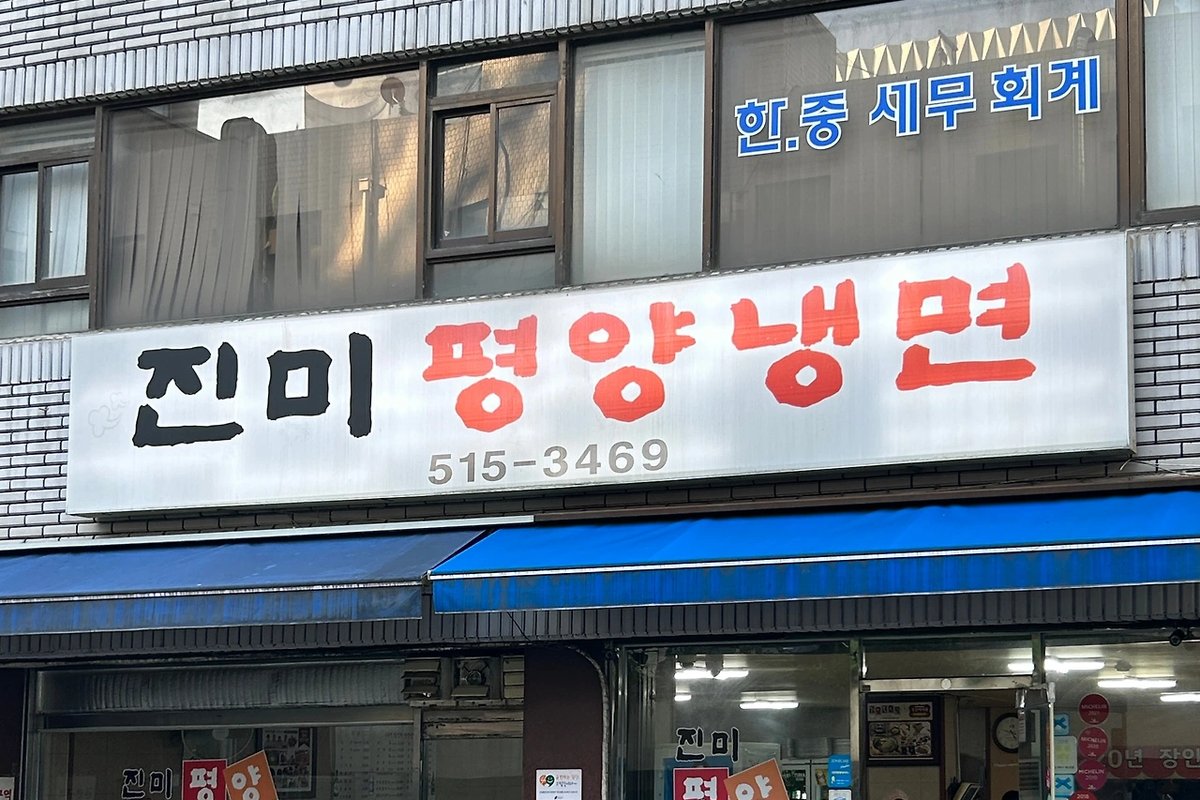
8. Jinmi Pyongyang Naengmyeon (진미평양냉면) — Hakdong-ro, Gangnam
Style: Pyongyang · Since: 2016 · Michelin recognized
📍 Find it 서울 강남구 학동로 305-3 (논현동 115-10) View on Naver Map ↗
The newest restaurant on this list by six decades. Jinmi was opened in 2016 by chef Im Se-kwon (임세권), who spent over 20 years training at Uijeongbu Myeonok and Jangchung-dong Pyeongyang Myeonok — the two most respected Pyongyang-style lineages in the greater Seoul area. He took what he learned and opened his own spot in Gangnam.
The point: Pyongyang naengmyeon isn't a closed tradition. It's a living craft that still gets new practitioners. Jinmi's broth is cleaner and slightly more delicate than the older restaurants — some purists prefer it. The Michelin Guide noticed quickly.
What to order: Mul-naengmyeon. The broth is the thesis statement. Getting in: Reservations recommended. Gangnam-clean space, unlike the old-school rooms in Jung-gu.
How to Choose If You Only Have One Meal
Your first naengmyeon ever: Pildong Myeonok. The full table (naengmyeon + suyuk + mandu) gives you multiple ways to love the experience, and the broth is approachable.
The "real one" you've heard about: Woo Lae Oak. Order the mul-naengmyeon and the bulgogi. Don't talk for the first three bites.
You want the unfiltered refugee-roots experience: Ojangdong Heungnamjip. Order hoe-naengmyeon. Sit on the floor.
You want to understand what food critics argue about: Pyeongyang Myeonok in Jangchung-dong. Bring mustard tolerance.
You want to pair with grilled meat: Bongpiyang in Songpa.
Pyongyang or Hamheung, the correct answer is "yes." Most Koreans with a real opinion hold one deeply — and a grudging respect for the other. The +47% Naver surge this month is everyone rediscovering which camp they're actually in.
The temperature hits 20°C. You pick a line. You wait.
Hero image: Mul-naengmyeon by Jinho Jung / Flickr, CC BY 2.0. Restaurant shop photos sourced via Naver Image Search from Korean food blogs and public listings — originals belong to their respective photographers. Restaurant details verified against Michelin Guide, Visit Korea, and each restaurant's published materials. If you spot an error or need a photo credited or removed, we want to know: hello@82crafted.com.
Keep Reading
More Stories
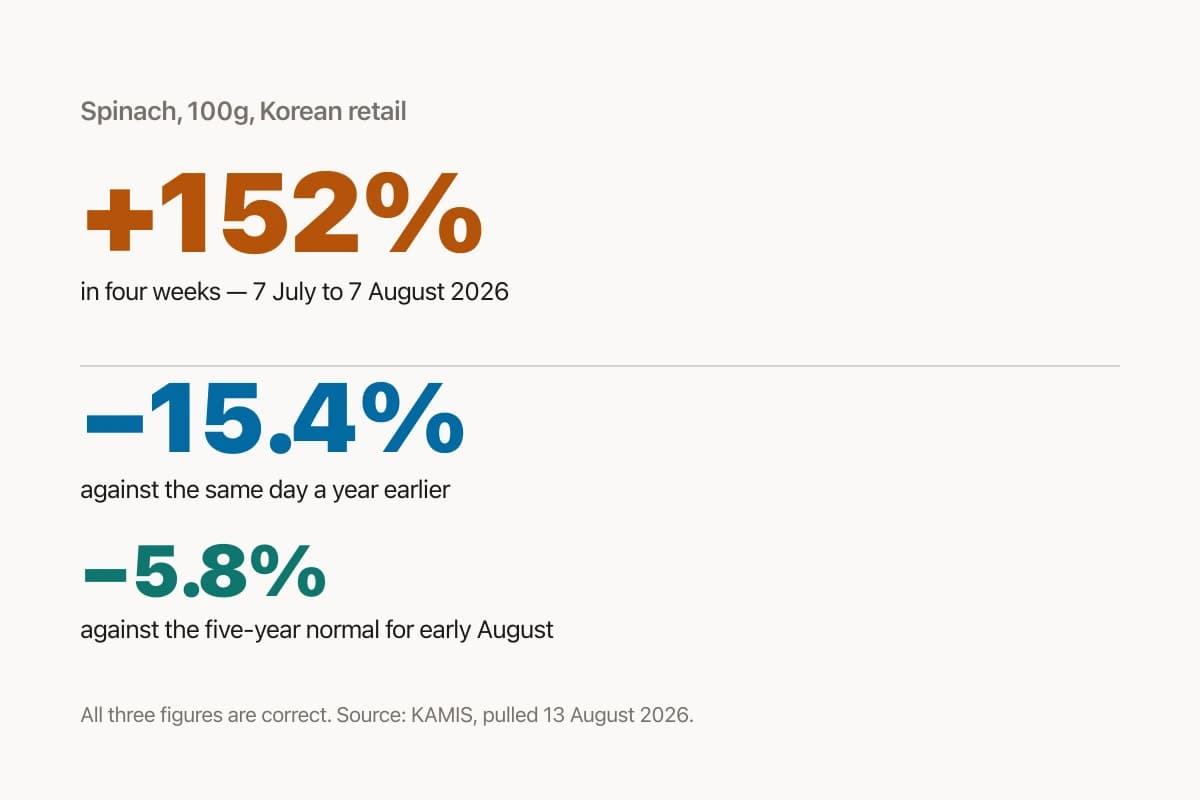
Spinach Is Up 152% in a Month. It's Also Cheaper Than It Was Last August.
Korean vegetable prices produced a genuinely alarming number this month: spinach at ₩1,978 per 100g on 7 August, up from ₩784 four weeks earlier. Both figures are real and we pulled them ourselves. But spinach is currently 15% cheaper than it was a year ago and below the five-year normal — and the agriculture ministry has taken the unusual step of asking people to stop making the comparison that produced the headline.
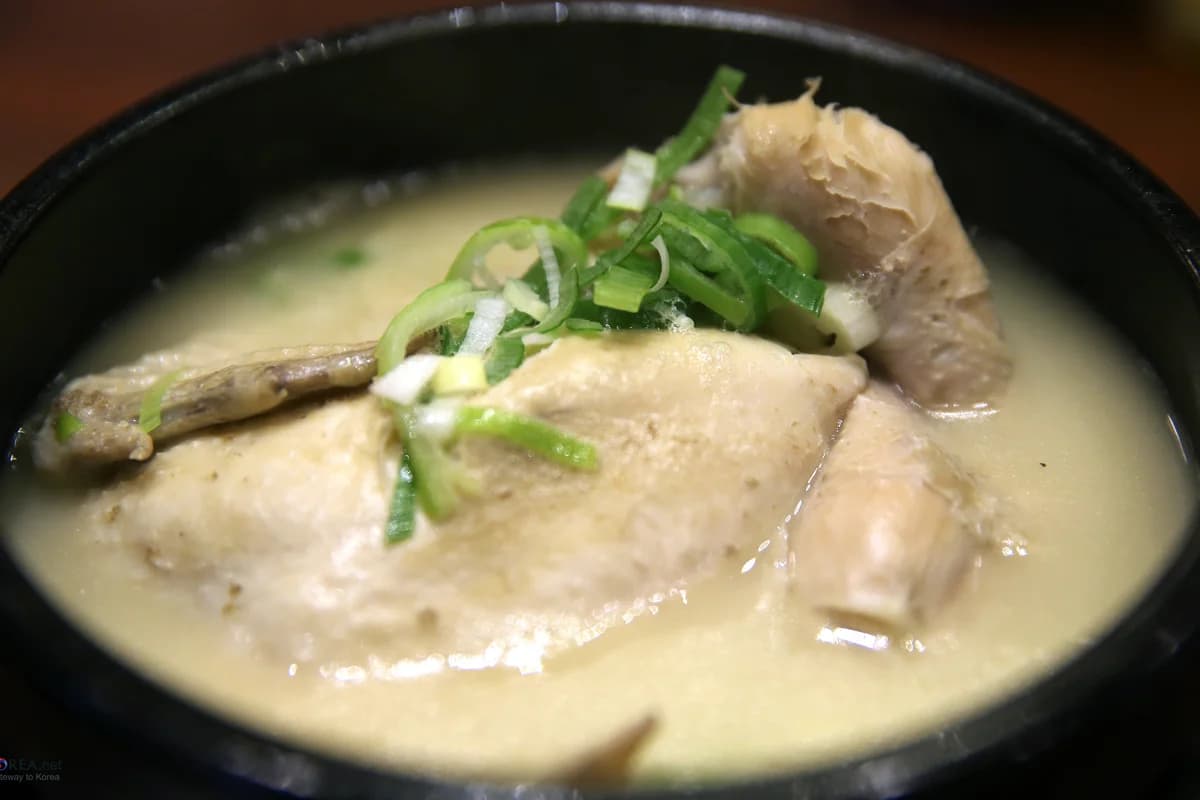
The ₩18,154 Bowl: How Korea's Hottest-Day Ritual Got Priced Out
On the hottest days of the year, Koreans queue for boiling chicken soup. But samgyetang now costs ₩18,154 in Seoul — while the same ingredients run ₩8,800 at a market. Jungbok falls on July 25. A guide to boknal, the logic of fighting heat with heat, and why the convenience-store version isn't the end of a tradition.
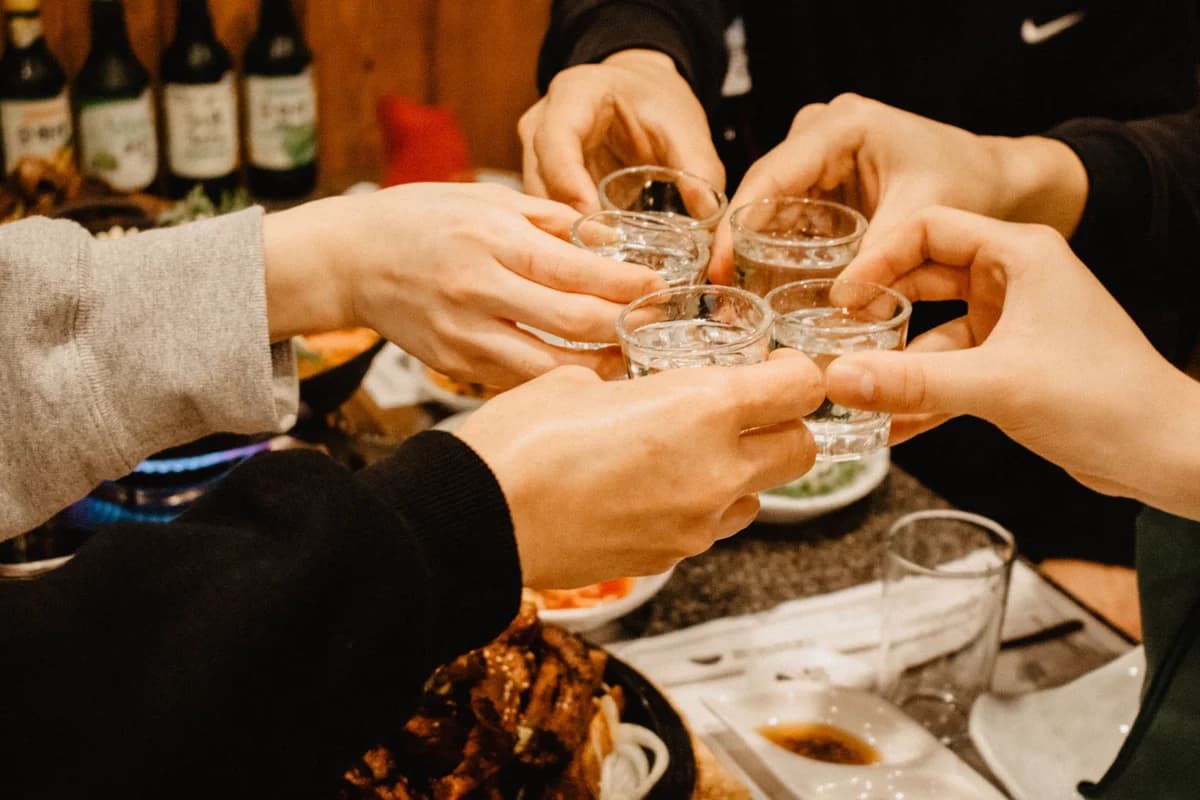
What Is Soju? Korea's Green-Bottle Spirit, Explained
It's the best-selling spirit brand on Earth, and most people outside Korea couldn't pick it out of a lineup. A field guide to soju: what's actually in the green bottle, how a 1965 rice ban created the modern version, why it's suddenly conquering export markets — and how to drink it like you know what you're doing.
The Weekly Dispatch
Korea, curated. Every week.
The best of K-culture, straight from Seoul. Written by people who actually live here.
Free, no spam, unsubscribe whenever.