Melon vs Genie: Korea's Two Biggest K-Pop Charts Don't Agree
Same country, same week, same songs — different rankings. Here's what that quietly reveals about how Korea listens, and why one K-pop chart is never the full story.
Imagine asking "what's the #1 song in America right now" and getting a different answer from Apple Music, Spotify, and Amazon Music. That's roughly what happens in Korea every day.
Korea has four major streaming charts — Melon, Genie, Bugs, and Flo — and they almost never agree on top 10 ordering. Each platform has a slightly different user base, slightly different algorithm, and a slightly different picture of "what's popular." International K-pop coverage usually picks one (usually Melon) and moves on, which flattens a far more interesting reality: Korean music taste is not a single thing.
We pulled Melon and Genie's live Top 10 on April 17, 2026. Here's what the two charts show you — and what the differences actually mean.
The Side-by-Side
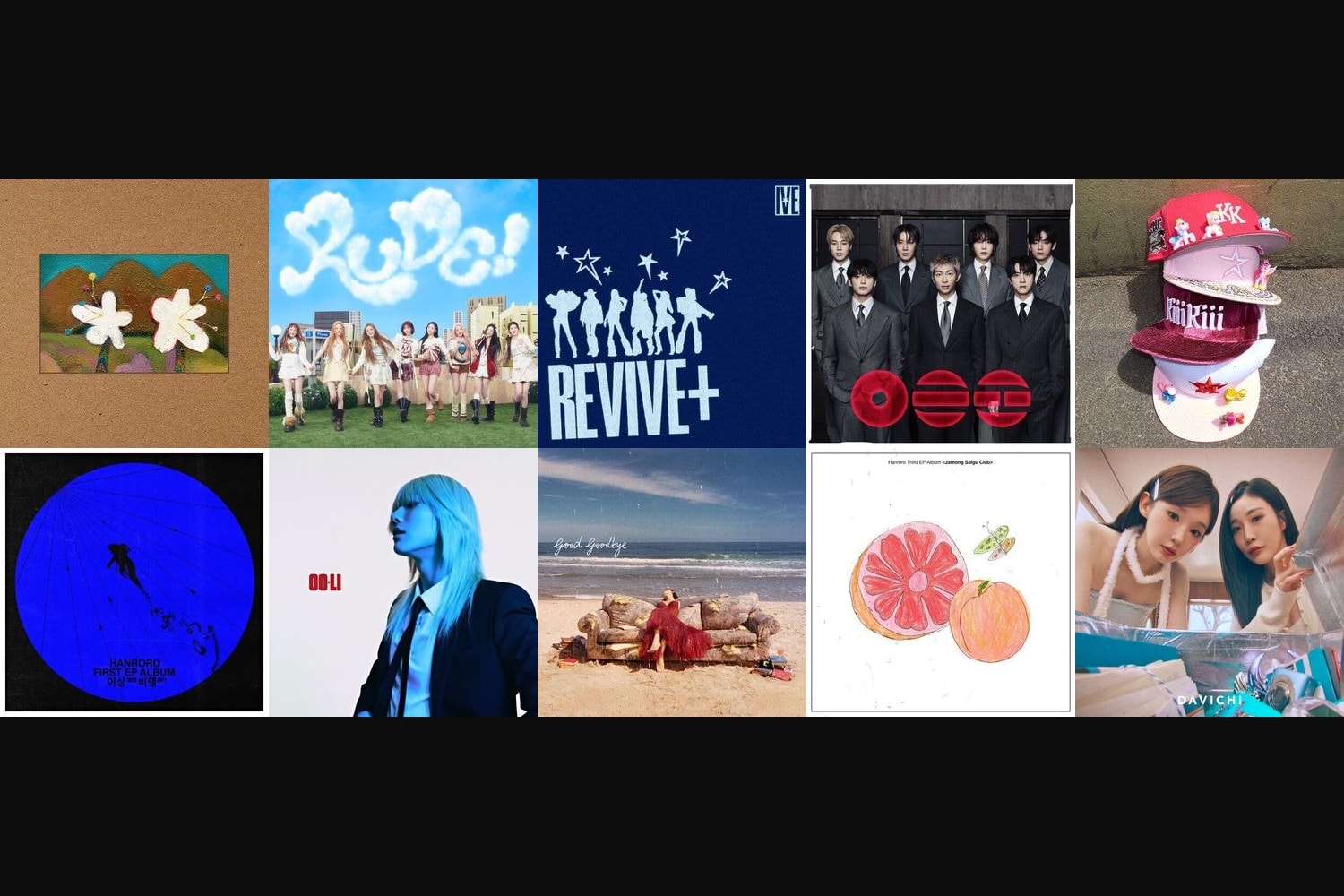
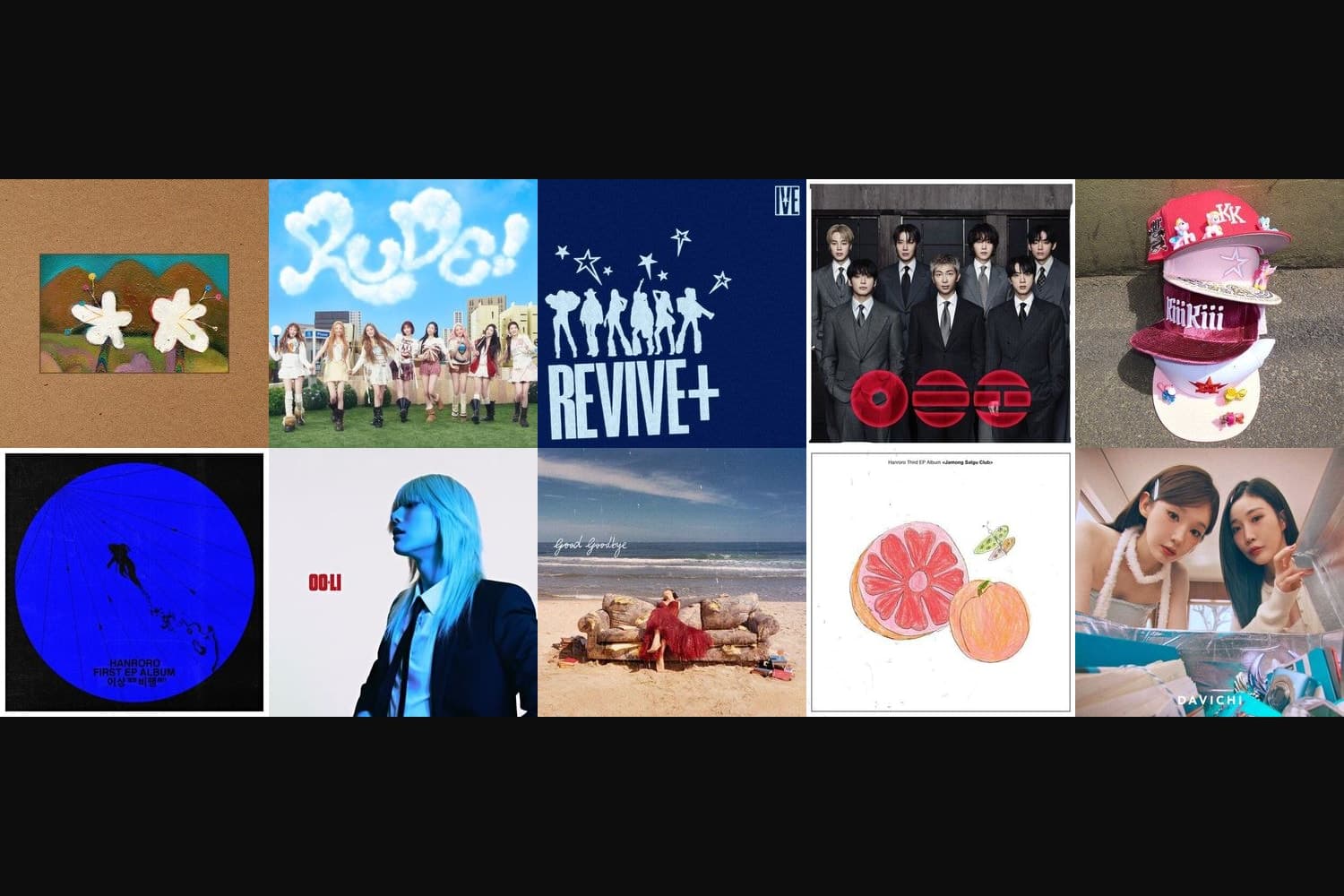
| # | Melon Top 10 | Genie Top 10 |
|---|---|---|
| 1 | AKMU — 기쁨, 슬픔, 아름다운 마음 | AKMU — 기쁨, 슬픔, 아름다운 마음 ✅ |
| 2 | AKMU — 소문의 낙원 | AKMU — 소문의 낙원 ✅ |
| 3 | Hearts2Hearts — RUDE! | IVE — BANG BANG |
| 4 | IVE — BANG BANG | WOODZ — Drowning |
| 5 | BTS — SWIM | KiiiKiii — 404 (New Era) |
| 6 | KiiiKiii — 404 (New Era) | 한로로 — 사랑하게 될 거야 |
| 7 | 한로로 — 사랑하게 될 거야 | HWASA — Good Goodbye |
| 8 | WOODZ — Drowning | 한로로 — 0+0 |
| 9 | HWASA — Good Goodbye | Hearts2Hearts — RUDE! |
| 10 | 한로로 — 0+0 | 다비치 — 타임캡슐 |
Only 2 of 10 positions match. (#1 and #2 — both AKMU.) The rest of the rankings are significantly different, and two songs are platform-exclusive to the other's top 10.
What the Differences Tell You
Melon skews younger and idol-favoring
Look at the Melon top 10. Hearts2Hearts (new SM girl group) is #3. IVE is #4. KiiiKiii is #6. BTS is #5. That's four new-era idol releases in the top six.
Melon's user base has historically skewed younger than its rivals'. That demographic streams new idol releases aggressively, which amplifies recent releases in Melon's algorithm. If a group drops a single today, Melon's top 50 will show it before any other chart does.
Genie skews older and ballad-favoring
Now look at Genie. 다비치 (Davichi) — 타임캡슐 is #10 on Genie — but not in Melon's top 10 at all. Davichi is a veteran ballad duo; their audience is 30s-40s Korean women, who stream on Genie disproportionately.
BTS — SWIM is the opposite case: #5 on Melon, absent from Genie's top 10. BTS's domestic core audience skews younger and more engaged with idol fandom culture — and Genie's older user base just doesn't stream them as intensely.
WOODZ — Drowning is another signal: #4 on Genie, #8 on Melon. It's a 2023 ballad, technically ancient by K-pop chart standards. Genie's ballad-heavy user base keeps it alive years after release; Melon's younger users cycle through newer material faster.
Hearts2Hearts tells the sharpest story
Hearts2Hearts — RUDE! sits at #3 on Melon but drops to #9 on Genie. Same song, same week. The 6-position gap is the clearest case study in the entire comparison.
Why? Hearts2Hearts is a brand-new SM Entertainment girl group. Their core audience — teen and 20s K-pop fans — is Melon's native demographic. On Genie (older, less idol-focused), they barely crack the top 10.
The AKMU lock is a cultural moment
The one thing both charts agree on: AKMU's album 개화 is the defining Korean music moment of April 2026. Both platforms have AKMU at #1 AND #2. When two demographically distinct streaming platforms both agree, it means the song has broken out of any single audience segment — it's just everywhere.
That's how you identify a real cultural moment in Korean pop music, as opposed to a fandom-driven chart burst.
Why There Are Two Charts in the First Place
Korea's streaming landscape is more fragmented than most countries:
Two firms measure it — 와이즈앱·리테일 and 모바일인덱스 — and they agree on almost nothing except the top. For the month before late July 2026, 와이즈앱 had YouTube Music on 9.49m monthly users, Spotify on 6.22m and Melon on 5.93m; 모바일인덱스, same month, had YouTube Music on 8.51m, Melon on 7.13m, Genie on 2.88m and Spotify on 2.38m — a gap of nearly three million users on Spotify alone. Treat any single ranking below first place as one firm's estimate.
- YouTube Music — first overtook Melon on monthly users during 2023, and leads on both firms' figures. (The firms don't agree on the month; one puts the crossover in February 2023, another in December.)
- Melon — Korea's chart authority and its largest home-grown service, owned by Kakao. Second or third by users depending on whose numbers you take.
- Spotify — launched 2021; second on 와이즈앱's figures, fourth on 모바일인덱스's.
- Genie — owned by KT (Korea's telecom giant), skews older
- Bugs — smaller, editor-curated
- Flo — SKT-owned (different telecom)
Unlike the US market (where Spotify dominates by huge margins and Apple Music is a distant second), Korean streaming is genuinely competitive. Different demographics default to different platforms, and the charts reflect that.
This is also why Korean music show rankings use combined chart data from multiple platforms rather than just one. A song that's only Melon-popular isn't considered a nationwide hit in the same way a Melon+Genie+Bugs crossover is.
How To Read Korean Charts If You're An Outsider
Rule 1: Never trust a single chart. A song that's only #1 on Melon might just be hitting the SM/HYBE fandom moment. A song that's #1 on Melon, Genie, AND Bugs is a genuine nationwide hit (like AKMU's 개화 right now).
Rule 2: Longevity on Genie = quality signal. If a song has been on Genie's top 50 for 6+ months, Korean consumers (not just fandoms) actually love it. Chart-engineered releases don't last on Genie the way they do on Melon.
Rule 3: Platform demographics matter for international releases. K-pop groups targeting international audiences often over-index on Melon because that's what international outlets cover. But their actual domestic reception is more accurately measured by the multi-chart aggregate.
Rule 4: When you see a BTS/BLACKPINK ranking discrepancy across charts, it's usually about demographics, not quality. The older Korean audience on Genie just doesn't stream idol groups at the same rate as younger Melon users.
What We Track
Each month, we'll refresh both charts and compare. AKMU's #1/#2 lock won't last forever — something will displace them. And when it does, the gap between Melon and Genie will probably tell a story about how it happened.
For this month's full breakdown of the Melon Top 10 with context for each song, see What Koreans Are Actually Listening To (Melon Top 10, April 2026).
And for the limit of what these charts describe: the artist with the most cumulative streams in Melon's history sings trot, not K-pop — a genre Korea banned for two decades for sounding Japanese, and which barely appears in English-language writing about Korean music. That story is here.
Keep Reading
More Stories
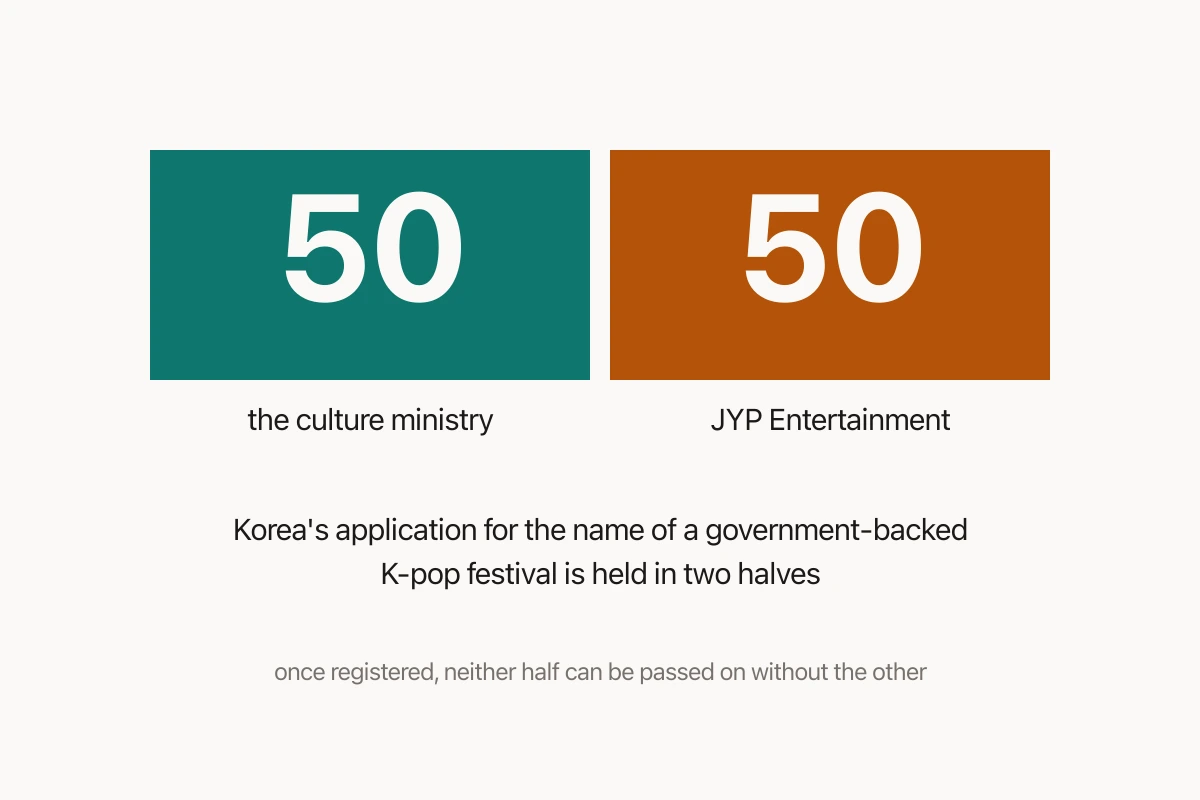
The Government's Giant K-pop Festival Has a Name. Half of It Belongs to JYP — and the Contract Was Too Secret for the Committee Chair to See
FANOMENON is meant to be Korea's state-backed answer to the world's pop festivals, planned for December 2027 by a presidential committee co-chaired by 박진영. His company filed the trademark first. On 7 October, at the National Assembly, a lawmaker put the contract on the big screen, the chair halted the audit, and 박진영 conceded that the way the name was taken was 'not normal'.

Korea's Most-Streamed Artist Sings a Genre the Country Banned for Two Decades
In 1935 a Korean record company slipped an anti-Japanese line past the colonial censors by submitting it as nonsense that sounded identical when sung. Thirty years later the Korean state banned the same genre for sounding Japanese — using a broadcasters' agreement, a ministry policy measure and three committees, but never once a law. The genre is called trot, and English writing about Korean music has essentially never mentioned it.
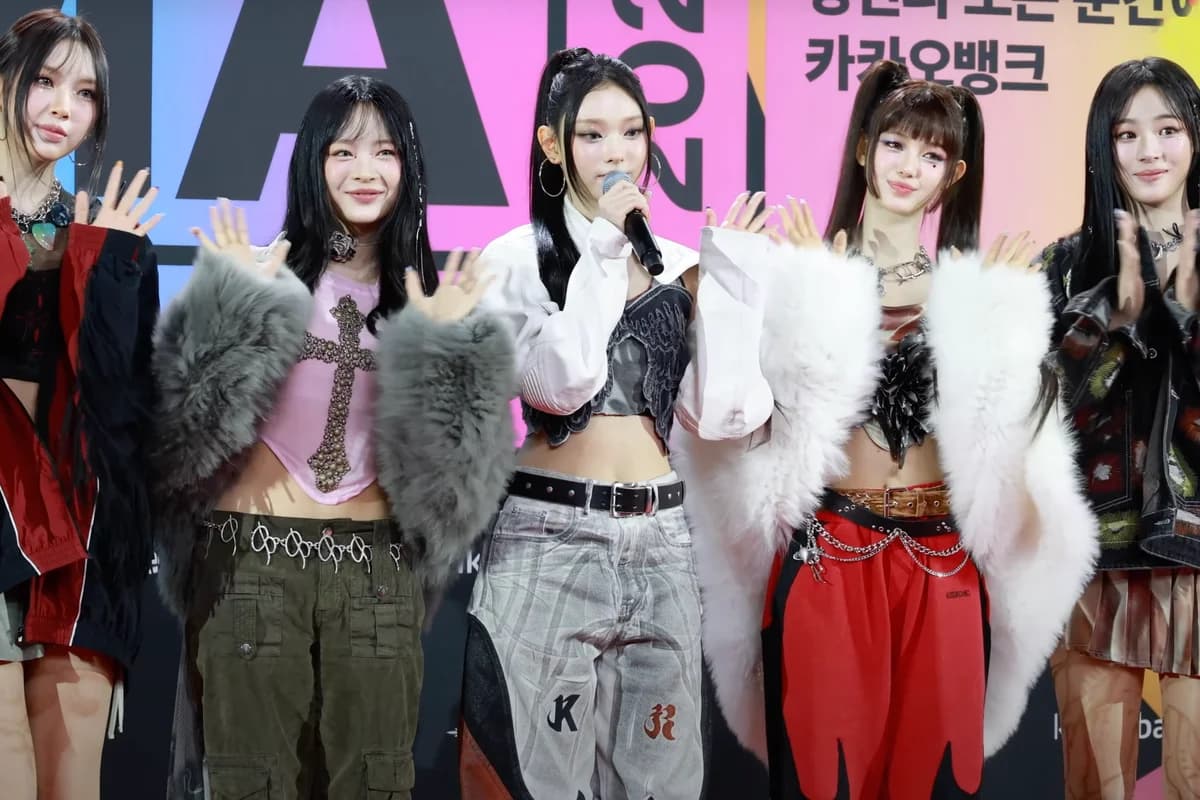
NewJeans Is Back — as Four. The Whole ADOR Saga, Explained.
On their fourth anniversary, NewJeans returned in a teaser — as a four-member group, at the very label they spent a year trying to leave, and without founding member Danielle. It's not a victory lap. It's the end of K-pop's biggest idol-versus-agency war, decided by a court. Here's the whole fight, and why the law made it end this way.
The Weekly Dispatch
Korea, curated. Every week.
The best of K-culture, straight from Seoul. Written by people who actually live here.
Free, no spam, unsubscribe whenever.