Korean Summer, Explained: 장마 Season, the August Heat, and What Comes After (2026)
The 31-day rainy season is just the warmup. Here's when 장마 arrives this year, why August is worse, and how Koreans actually get through it.
Korean summer doesn't arrive — it stages an ambush in two acts. First the sky empties for about a month. Then the rain stops and the real problem begins: a heat-and-humidity sandwich that makes the wettest days of June feel quaint.
If you're planning a Korea trip for late June through August, or you've just landed for a job and are about to live through your first one, the most useful thing we can tell you is this: don't budget for "weather." Budget for two separate climates, back to back, and a culture that has spent centuries developing rituals to survive them.
Here's what's actually coming.
When the rain shows up: 장마 in 2026
장마 (jangma) is Korea's monsoon — a roughly month-long rainy season driven by warm tropical air pushing against cooler maritime air over the peninsula. It moves north in a slow staircase, starting in Jeju and rolling up through the country.
The Korea Meteorological Administration's outlook for 2026 lines up with the historical pattern almost to the day:
- Jeju: starts around June 19-21, ends around July 20
- Southern Korea (Busan, Gwangju): starts around June 23-25, ends around July 24-25
- Central Korea (Seoul, Daejeon, Incheon): starts around June 25-27, ends around late July 26-31
Total duration: ~30-31 days, give or take a day or two. The 1991-2020 baseline puts the central-region start at June 25 and the southern-region start at June 23, so 2026 isn't doing anything weird — it's running on schedule.
If you're flying into Incheon on June 30, you are landing in 장마. That's not a coincidence; that's the calendar.
A small caveat the KMA always attaches: actual start and end dates can shift by 1-3 days depending on atmospheric conditions, and some years 장마 simply collapses into intermittent showers that nobody can clearly call "monsoon." 2025 had a relatively short and intense one. Don't tattoo the dates above onto your itinerary, but do treat the late-June-through-late-July window as the high-risk band.
What 장마 actually feels like
Foreigners read "monsoon season" and picture three weeks of unbroken rain. That's not the model. 장마 is more like 30 days where any given afternoon has a 60-70% chance of a heavy downpour — sometimes for hours, sometimes a violent 20 minutes — interspersed with stretches of overcast, sticky non-rain that feels worse than the rain itself.
The defining problem isn't water falling from the sky. It's water already in the air.
- Humidity stays in the 80-90% range for weeks. Your clothes never dry on a rack. Leather shoes grow a faint film of mildew if you forget about them. The cheap LG dehumidifier you buy in week one is the best ₩150,000 you'll spend all year.
- Transit gets weird. Subway floors run slick with tracked-in rain. Cabs vanish during downpours. Bus stops become small flooded islands. If you're commuting in Seoul, switch to the subway for the duration — buses get unreliable.
- The bag economy shifts. Everyone carries a folding umbrella, but the secret weapon is the disposable bag dispenser outside every department store, government office, and major subway exit — automated machines that wrap your wet umbrella in a clear plastic sleeve so it doesn't drip on the floor inside. They're free. Use them.
- Mood gets heavy. This is real. Day twelve of grey, wet, low-pressure weather with no horizon visible from your apartment window does something to a brain that's used to four seasons. Koreans don't really talk about seasonal affective patterns in the same way Western mental-health discourse does, but the cultural beat of "장마 끝나면" ("when 장마 ends...") shows up in everything from drama dialogue to office small talk for a reason.
장마 itself isn't dangerous. It's just relentless. You learn to plan around it.
Then the worse part: August 폭염
The cruel trick of Korean summer is that the end of 장마 isn't the end of anything. It's the handoff to 폭염 (pokyeom) — heat wave season — which runs from roughly the last week of July through late August, and which is, by every measurable axis, worse than the rainy weeks that preceded it.
Seoul's August averages tell part of the story:
- Average high: 29.6°C (85.3°F)
- Average low: 22.4°C (72.3°F) — yes, the nights don't drop below 22°C
- Average relative humidity: 75.6%
- Average heat index in August: 35°C (95°F) — that's the "feels like" number that matters
Seoul's all-time August record is 39.6°C (103.3°F), set at the Seoul weather station in August 2018. That kind of peak isn't every year. But it's no longer rare.
What is every year, increasingly, is the new baseline. 2024 remains the hottest year in Korea's modern weather records — the meteorological agency's own annual review ranks 2025 second — but 2025 delivered the hottest summer, averaging 25.7°C across June–August. And 2026 has gone further: on 2 August Yangsan recorded 42.5°C, the highest temperature ever measured in Korea on any network, after the national record had already been broken twice in the preceding two days. What Koreans have actually done about that summer is its own story: a 23-year-old built a walking app that routes you through building shadows and took it to number one, while the heat pushed leaf-vegetable prices into figures that look far more alarming than they are. The country averaged 28.1 heat-wave days and 15.5 tropical nights (nights where the temperature doesn't drop below 25°C) in 2025. For Seoul-adjacent areas the tropical-night count was higher.
The numerical heat is bad. The humidity is what wrecks you. At 75% humidity and 30°C, sweat doesn't evaporate efficiently, which means your body can't cool itself the way it does in dry heat. A 32°C August afternoon in Seoul feels physically heavier than a 38°C afternoon in Madrid. Walking from a subway exit to a coffee shop two blocks away leaves you visibly wet.
This is also when 냉방병 ("AC sickness") becomes a real thing. Korean offices and cafés run their air conditioning at 20-22°C; the outdoor temperature is 33°C. Every transition between street and indoors is a 12-degree shock to your autonomic nervous system. Symptoms — fatigue, headaches, dry throat, GI weirdness — get blamed on the AC and the swing, not on either temperature alone. The official health-ministry guidance is to keep indoor AC no colder than 26°C and limit the indoor-outdoor gap to 5°C. Almost nobody follows it. Carry a thin cardigan.
The September coda: typhoon season
After 폭염 finally relaxes its grip in late August, Korea gets one more weather act — typhoons.
The peak typhoon-impact window for Korea is mid-August through mid-September. The country averages around seven typhoons per year that brush or hit the peninsula, with Jeju, Gangwon, and Jeollanam taking the worst of it. Most don't make headlines outside Korea — they're tropical storms by the time they reach the coast, dropping a lot of water and breaking awnings for a day or two before moving on.
Occasionally one matters: 2025's Tropical Storm Peipah brushed Gijang on the southern coast in early September with sustained winds near 70 km/h. If you're traveling in the southern half of the country in late August or September, check forecasts a week ahead. Domestic flights and ferries to Jeju are the first things to get cancelled when a typhoon is in the cone.
By late September, the rain breaks, the temperature finally drops, and Korea's autumn — which is genuinely one of the best autumns in the world — begins. The reward at the end of all this is real.
How Koreans actually cope
If summer is a problem Korea has been solving for thousands of years, you'd expect a deep cultural toolkit. There is one, and most of it shows up in food.
(One consolation while you're sweating through August: this is Korea's cleanest air of the year. The dust seasons are winter and spring, and they're two different problems — which we untangle in 황사 is not 미세먼지.)
보양식 — restorative summer foods
The cultural logic behind 보양식 (boyangsik, "restorative food") is 이열치열 — fight heat with heat. The body, the thinking goes, is depleted by sweat and the energy drain of regulating internal temperature. The fix isn't ice cream and air conditioning — it's protein-dense, ginseng-spiked, broth-based meals that make you sweat more and replenish qi.
The three signature 보양식 dishes:
- 삼계탕 (samgyetang) — a whole young chicken stuffed with glutinous rice, ginseng, jujube, garlic, and ginkgo nuts, simmered in clear broth. The canonical summer dish.
- 장어 (jang-eo) — grilled freshwater eel, brushed with sweet soy glaze. Eaten for stamina.
- 추어탕 (chueotang) — loach soup, often blended thick with perilla and vegetables. Country-style 보양식, especially popular in southern Korea.
You'll see banner pricing and lunch queues at samgyetang specialty restaurants spike on three specific days each summer:
복날 — the three days the whole country queues for samgyetang
Korea identifies the three official hottest days of the year as 삼복 (sambok): 초복 (early), 중복 (middle), and 말복 (late). They're calculated from the lunar calendar.
2026 dates:
- 초복 — Wednesday, July 15
- 중복 — Saturday, July 25
- 말복 — Friday, August 14
On each of those days, samgyetang restaurants run lines down the block. The cultural beat is to eat one bowl on each 복날, ideally with family or colleagues. Korean food-delivery platforms report samgyetang as the single biggest order-volume spike of the summer on these dates. If you're visiting Korea around any of them, this is the day to walk into a samgyetang specialty restaurant for lunch — not because the soup is different that day, but because the queue is the experience.
Beyond food
A few other survival patterns worth knowing if you're here for the whole season:
- The shaved ice (빙수) reflex. When the temperature crosses 30°C, patbingsu (red-bean shaved ice) consumption spikes. Every café chain rolls out a summer menu in late June. It's not sophisticated; it's just cold.
- The 24-hour convenience store as climate refuge. GS25, CU, 7-Eleven — all open all night, all heavily air-conditioned. Cheap ice coffee at 1 AM is a real coping mechanism during 열대야 (tropical nights).
- Subway sleeping. On the worst tropical nights, some Seoul residents ride the longer subway lines (Line 2 in particular) for a few stops just to sit in air conditioning. We don't recommend it. We've watched it happen.
- The fan-death thing is mostly dead. The old belief that a running electric fan in a closed room could suffocate you in your sleep was widespread enough that Korean fans still come with timer dials by default — but the belief itself has been steadily debunked and is now treated more as cultural folklore than active medical advice. Run the fan. You'll be fine.
Should you visit Korea in summer?
Honest answer: probably yes, with caveats.
Visit in late June if you want to see Seoul under summer rain. 장마's early days are romantic in a low-key way — empty rooftop bars, neon reflecting on wet pavement, every café smelling like steam. The humidity hasn't fully grown teeth yet. Indoor itineraries (museums, jjimjilbang, Han River 한강 boat cruises on dry days) work well.
Skip the first three weeks of August unless you have a specific reason to be there. The heat-and-humidity combination from late July through mid-August is genuinely punishing in a way that surprises temperate-climate travelers, and the country's most photogenic destinations — Jeju beaches, Seoraksan trails, palace courtyards — are most uncomfortable then. If you have to come anyway, do what Koreans increasingly do — flee somewhere cooler, whether that's a highland, a valley, or a 12°C cave; we mapped the cool-cation playbook here.
The 복날 days are an opportunity, not an obstacle. Plan a lunch around one of them and you'll get a culturally specific window most tourist guides skip.
Late September is the sweet spot. If your dates have any flex, push the trip to the last week of September or early October. You'll catch the back half of typhoon season, but the heat is broken, the air dries out, and the country starts turning toward the genuinely spectacular Korean autumn.
The bigger lesson, though, is the one the locals know: Korean summer isn't something to enjoy or endure — it's a thing to be moved through, with a thin cardigan, a folding umbrella, an LG dehumidifier in the closet, and a hot bowl of chicken-and-ginseng broth on July 15, July 25, and August 14.
Those three dates are the boknal, and they're calculated, not chosen — though the ₩18,154 bowl means a lot of Koreans now mark them at a convenience store. If you'd rather mark summer by getting soaked than by eating something boiling, Waterbomb runs July 24–26.
See you on the other side.
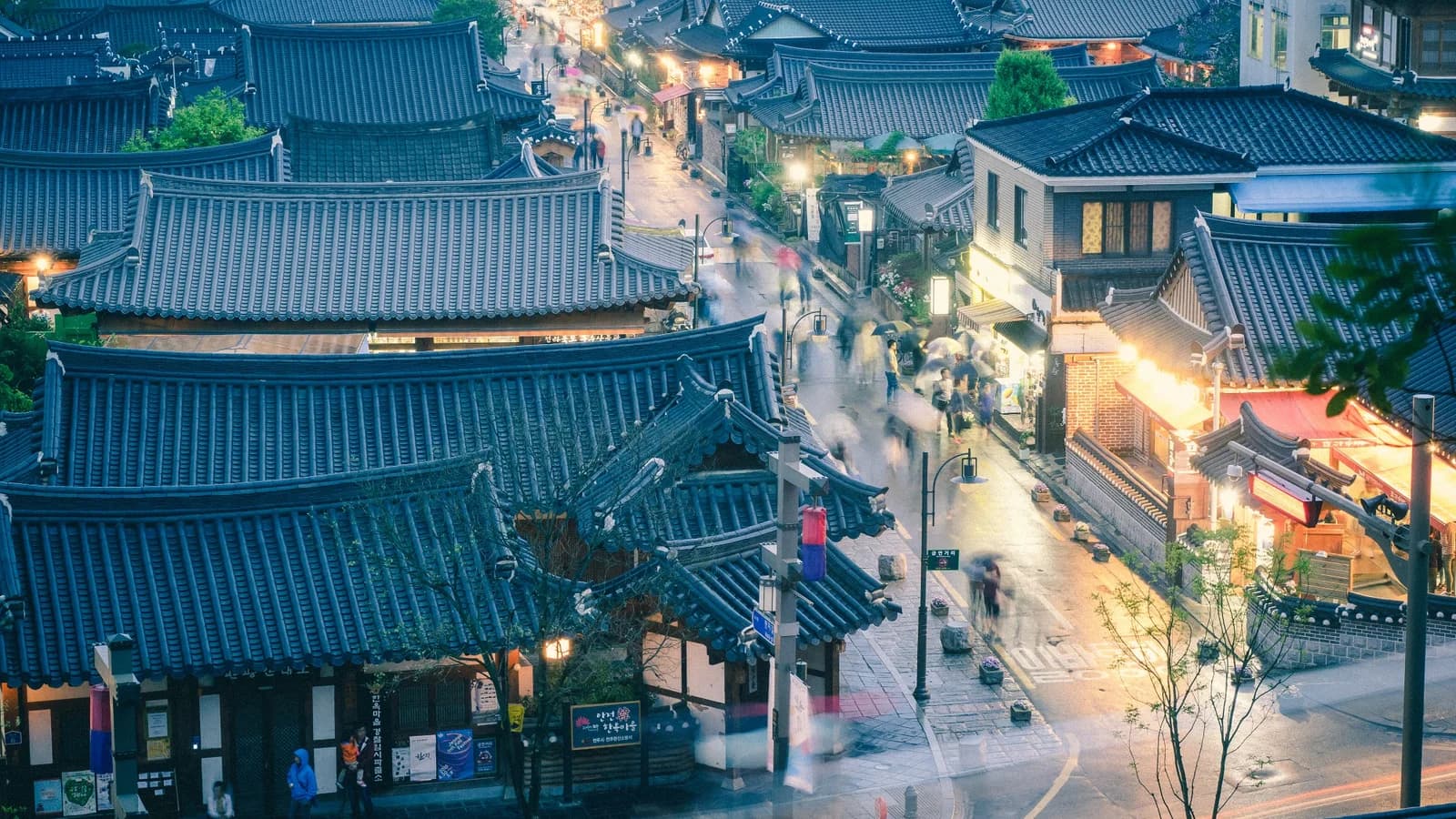
Cover photo: A rainy evening in Jeonju Hanok Village. ⓒ Korea Tourism Organization Photo korea — Choe Yeong-rak. Licensed under KOGL Type 1.
Keep Reading
More Stories
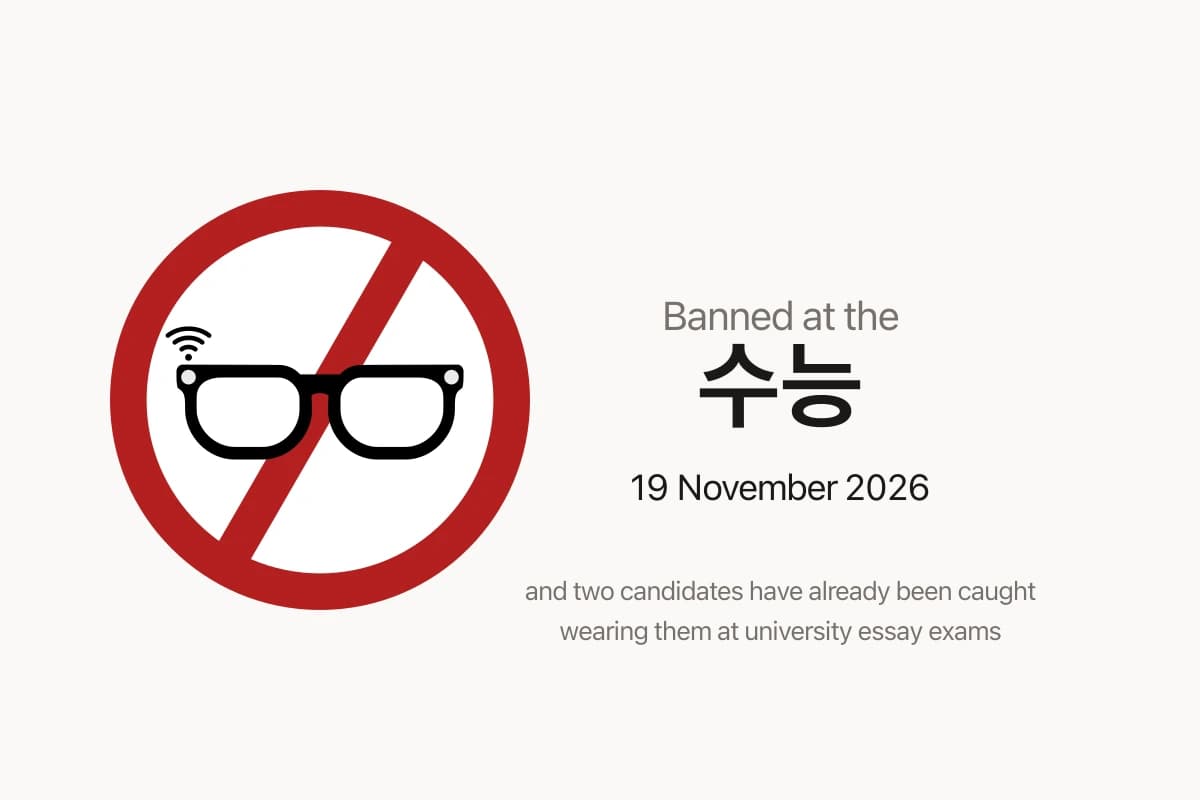
Two Candidates Wore AI Glasses Into Korean University Exams This Month. Five Weeks Later, 550,000 People Sit the 수능
At the University of Seoul on 3 October and at Yonsei a week later, proctors spotted AI smart glasses on candidates sitting essay exams for admission. Both had passed the glasses check in ordinary frames and switched once the exam began. The 수능 on 19 November already bans the devices; the question is whether anyone can see them.
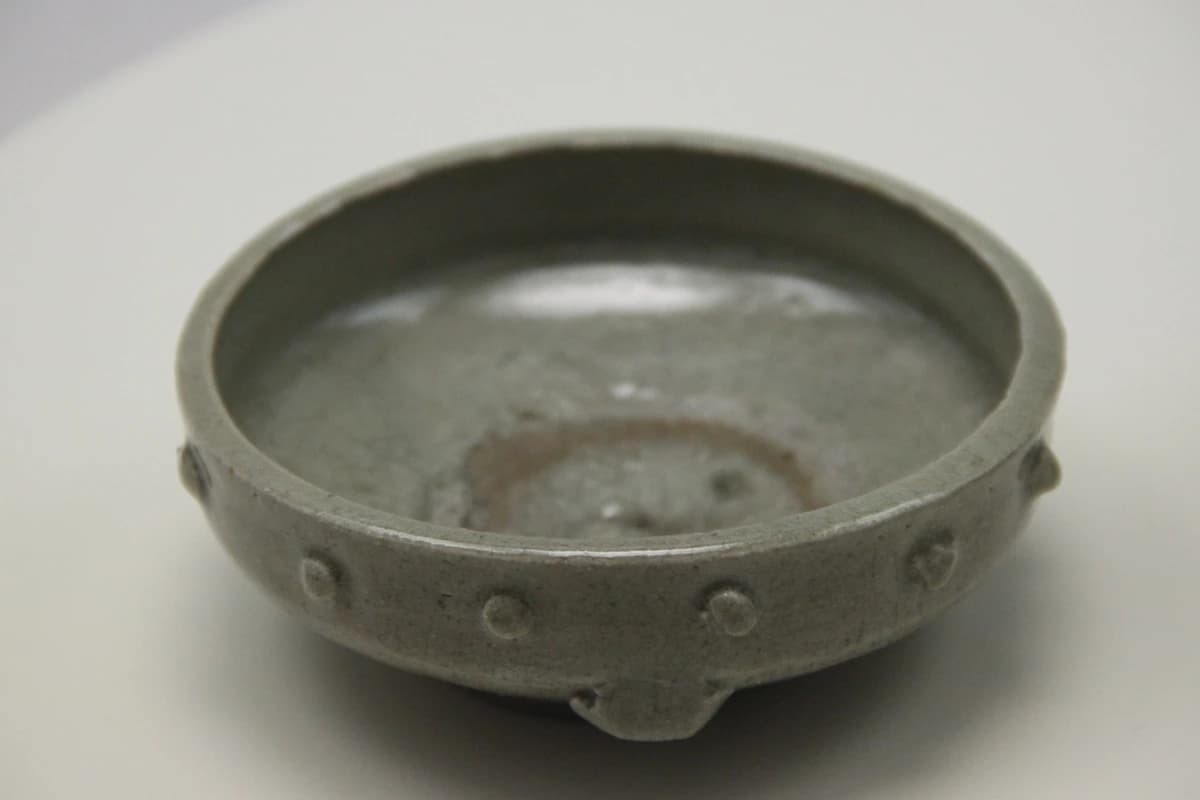
The Fisherman Hid It Under His Floorboards. The Reward He Eventually Got Set Off a Decade of Looting.
Korea marked fifty years of underwater archaeology in Mokpo in September 2026. The official story starts with a net and a report. The documented one starts with six pieces of Chinese porcelain given away as presents, a schoolteacher brother who had to get them all back, and officials who did not want the paperwork. Then the state paid a reward, a diver worked out how much of it went in tax, and for the next ten years people stole the wreck faster than the government could raise it — until the navy's own divers could not find the ship, and the excavation hired the looters.
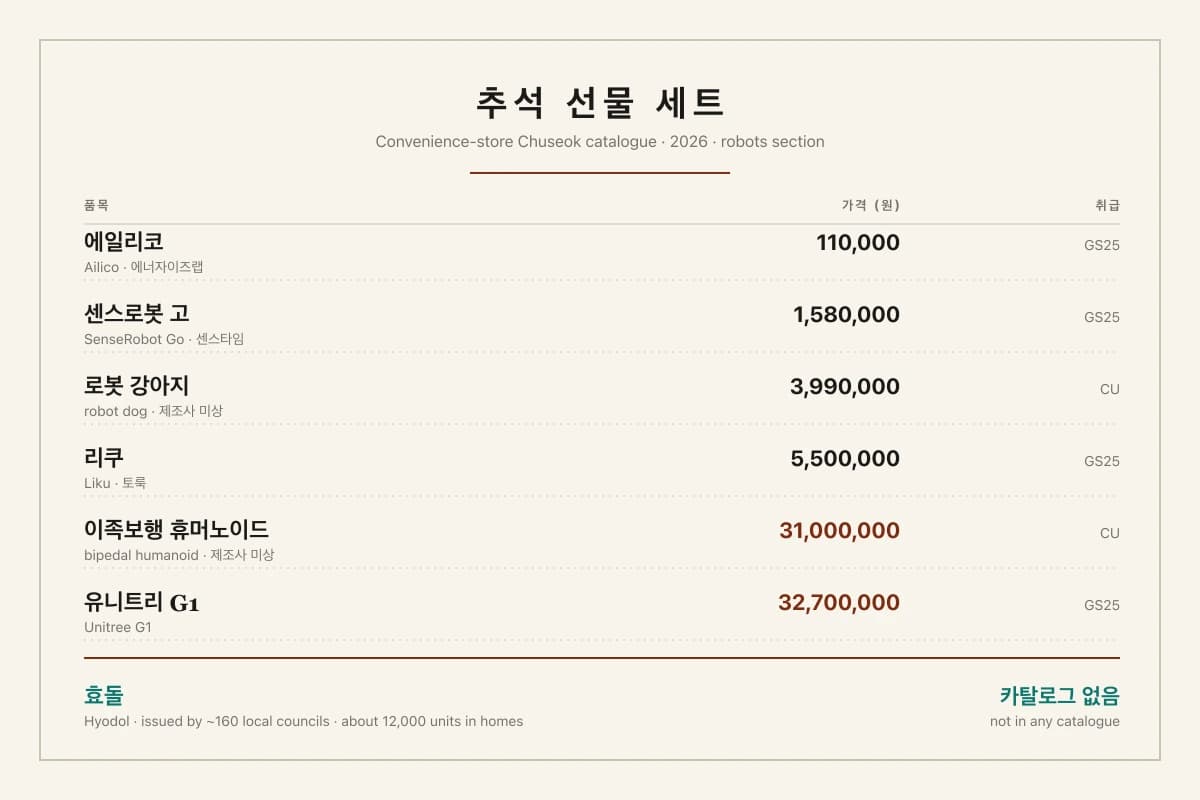
Korea's Convenience Stores Are Selling Humanoid Robots for Chuseok. Neither Chain Expects to Sell One, and Both Have Said So.
CU's holiday catalogue has a bipedal humanoid at ₩31 million, next to the beef and the gold bars. GS25 has an AI companion robot at ₩5.5 million and a keyring that talks back at ₩110,000. We assumed the pitch was companionship for parents you won't be visiting. It isn't — the retailers say plainly these are there to be noticed, not bought. Meanwhile about twelve thousand robots are already in Korean homes, asking elderly residents whether they've taken their medicine, and nobody put those in a catalogue.
The Weekly Dispatch
Korea, curated. Every week.
The best of K-culture, straight from Seoul. Written by people who actually live here.
Free, no spam, unsubscribe whenever.