First Time in Seoul: 15 Things You Actually Need to Do (2026 Guide)
The English-language Seoul guide we wish someone had given us. Skip the algorithm-fed itinerary — this is what to actually do, where to actually eat, and what a local would tell you in the first ten minutes.
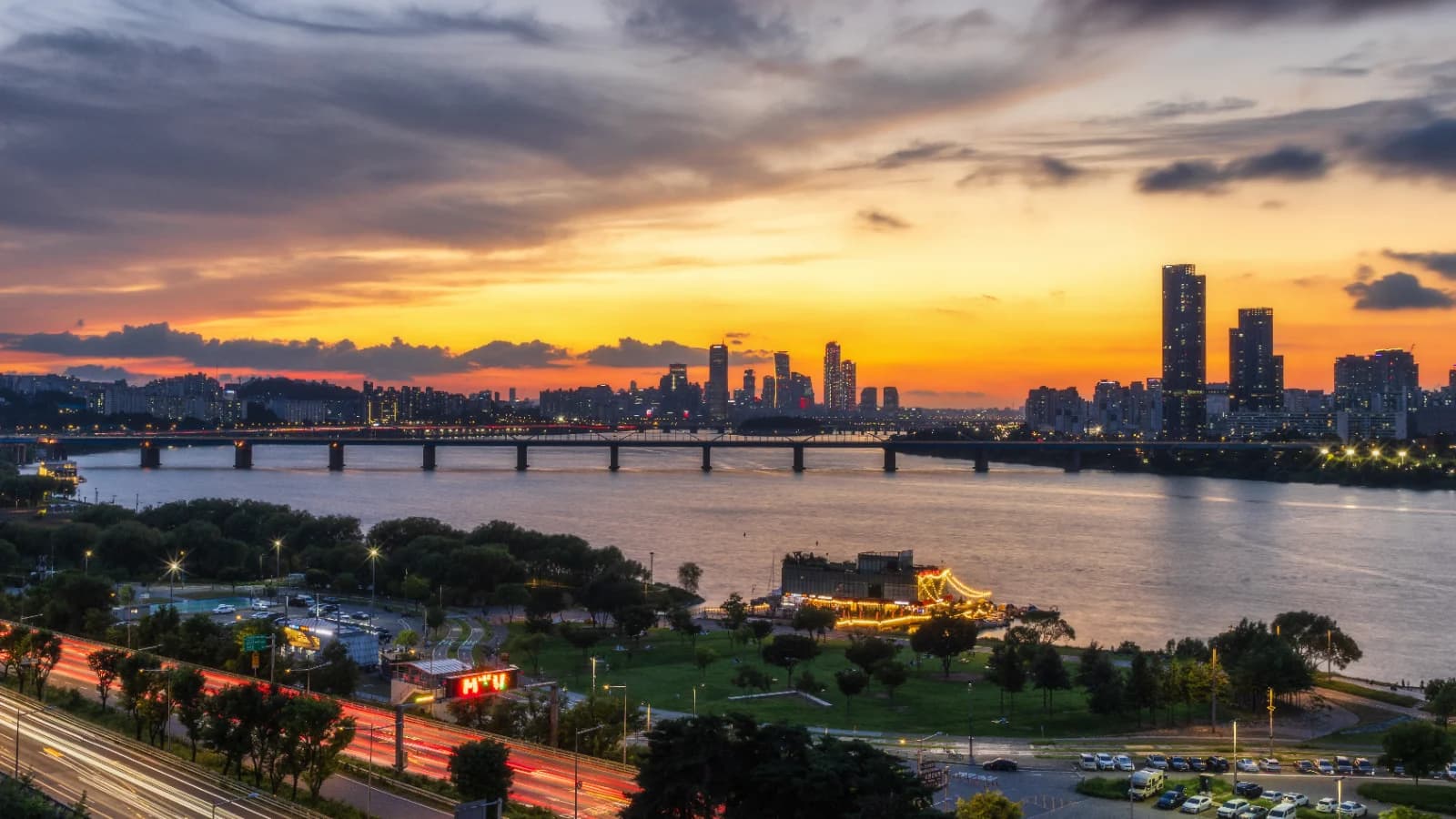
Most first-time Seoul itineraries online were written by people who flew in on a press junket, stayed three days, and shopped one neighborhood. The result is the same five locations recycled across every blog: a palace photo, Myeongdong street food, N Seoul Tower at sunset, Hongdae at night, and a Gangnam mall.
You won't have a bad time doing those five things. You'll just have the same trip every other tourist had, miss the city the locals actually live in, and come home with the impression that Seoul is fine but not necessarily memorable.
This guide is the first in our city-by-city Korea series — the English-language version of the briefing a Seoul friend would give you over the first dinner. It's not exhaustive. It's the 15 things you actually need to do, organized so you can fit them into 4 to 7 days without burning out.
One thing before we start. Seoul is much, much safer than any city of comparable size you've been to. Walking solo at 2 a.m. through residential alleys is normal. Pickpocketing is essentially a non-issue. Phones get returned. Wallets get returned. The biggest practical danger you'll encounter is forgetting your card at the cafe and having to walk back. Plan accordingly — meaning, plan less defensively than you would in most other major-city trips.
Before you do anything: the three setup tasks
Get these out of the way on day one. They take ninety minutes total and they make the rest of your trip work.
1. Buy a T-money card. Available at any convenience store (CU, GS25, 7-Eleven), about ₩4,000 for a basic card — the Line Friends and other character editions are ₩5,000. Load ₩30,000 to start. Tap on every subway, every bus, most cabs. You will not survive Seoul transit without one. The Tourist edition has English instructions on the back; the regular Korean ones work identically — the card doesn't care which version you bought.
2. Install Naver Map. Not Google Maps. Google Maps in Korea is structurally broken because Korea restricts foreign mapping data — bus routes are wrong, walking directions skip pedestrian shortcuts, restaurant addresses don't match. Naver Map is the actual app Koreans use. The interface is in English when you toggle the language setting in account preferences. Subway routes, bus arrival times, and the (extremely good) restaurant database are all native there.
3. Activate eSIM or buy a SIM at the airport. Both T-Mobile and SK Telecom have foreign-tourist plans at Incheon. Skip the WiFi-egg rental — eSIMs are simpler and the network coverage is universal anyway.
That's it. Now the trip.
Where to base yourself
Three neighborhoods make sense for first-timers. Pick one based on what you came for.
Myeongdong if your trip is shopping- and central-tourism-heavy. You'll be walking distance from Gyeongbokgung, Insadong, Namdaemun, and the main shopping thoroughfare. The downside: it's the most-touristed neighborhood in Seoul, which means the area-level dining mostly skews toward Korean food adapted for foreign palates rather than what locals eat.
Hongdae or Sinchon if you want walkable young-person Seoul — bars, indie cafes, street performances, vintage shops, late-night food. Closer to the airport on the AREX line. Best base for travelers in their 20s and 30s.
Itaewon or Hannam-dong if you want the international-Seoul base — better English, more Western-style breakfast options, easier first few days for nervous travelers. The trade-off: you're further from the historical-Seoul tourism circuit, and Itaewon has lost some of its character to a long renovation cycle.
We'd skip Gangnam as a base for first-timers. It's a great neighborhood to visit; it's the wrong neighborhood to sleep in if you're new — too far from the historical sites, too business-oriented, too expensive for what you get.
The 15 things
1. Watch the changing of the guard at Gyeongbokgung — wearing hanbok
Gyeongbokgung (경복궁) is the largest of Seoul's five historical palaces and the one most worth your time. The royal-guard changing ceremony happens twice a day (10 a.m. and 2 p.m., barring rain) at the main gate, Gwanghwamun. Show up 15 minutes early; the ceremony itself runs about 20.
The under-known move: rent hanbok from a shop within a few blocks of the palace, and palace admission becomes free. This isn't a tourist gimmick — it's an actual government policy meant to keep Korean traditional dress in circulation. Rental shops cluster around Anguk Station Exit 1 and along the alleys north of the palace. Two-hour basic rentals run around ₩15,000–₩25,000; full-day with hair styling included is more like ₩40,000.
Wear it for the morning, then walk it through Bukchon (next entry) for the photos. The photos are the point.
2. Wander Bukchon Hanok Village — at the right time of day
Bukchon (북촌한옥마을) is the historical residential neighborhood directly north of Gyeongbokgung — narrow alleyways, traditional wooden hanok houses, ridiculously photogenic from every angle.
The catch: it's a residential neighborhood. Real people live in those hanok. Daytime crowds had gotten so disruptive by 2024 that the neighborhood association installed signs requesting visitors stay quiet, and a 5 p.m. curfew was put in place on the most-photographed alley (Gye-dong, near Bukchon Hanok Village Information Center). Go in the morning before 10 a.m. to actually see the alleys without being shoulder-to-shoulder with other tourists, or in the late afternoon between 4 and 5 for the golden-hour light.
Don't yell, don't blast music from your phone, don't go inside any home. The Instagram shots are at the top of the hill on Gye-dong, looking south over the city.
3. Eat through Gwangjang Market
Gwangjang (광장시장), in the Jongno district, is Seoul's oldest permanent market and currently the city's best-known street-food destination. The two iconic stalls are the bindaetteok (mung bean pancake) alley and the mayak gimbap (mini seaweed rolls with mustard) counters. Both deliver on the hype.
What most first-time guides miss: the upstairs. The second floor of Gwangjang is a textile market and barely visited by tourists. Even if you don't buy anything, the contrast — busy ground-floor food chaos, deserted upstairs of hanbok fabric and traditional Korean wedding accessories — is one of the better cultural-texture moments you can have on a first trip.
Skip the live octopus stand unless you've thought carefully about it. The display is the show; the eating experience is split — about half of foreign visitors quietly regret it.
4. See the Han River from the Han River
Almost every guide tells you to go up Namsan and look down at the Han. Reverse it. Get on the river itself.
The cheap way: Hangang Park at any of the river's parks (Yeouido, Banpo, Ttukseom) for a chimaek (chicken + beer) sit-down on the grass. Pick up convenience-store fried chicken or order via your phone — the parks have delivery zones that work for tourists. Budget about ₩25,000 for two people.
The slightly fancier way: a Han River cruise from Yeouido. Hour-long round trips, around ₩30,000 per adult. The night cruise — the one that catches the Banpo Bridge rainbow fountain show — is the better version.
The fountain show, by the way, is a real thing — the Banpo Bridge has the longest bridge fountain in the world, running 1,140 meters of water arcs lit with colored LEDs, every evening at 7:30, 8:30, and 9:30 p.m. between April and October. You can watch from above (Banpo Hangang Park) or from the river.
5. Spend two hours at Olive Young — minimum
Korean K-beauty doesn't really happen on Instagram, despite what Instagram tells you. It happens at Olive Young — Korea's beauty mega-retailer, with stores on basically every block in central Seoul. Walk in, get lost, leave two hours later with a basket full of products you can't get at any Sephora.
Read Olive Young Top 10 Bestsellers before you go — it'll save you the staring-at-the-shelf paralysis. We've also done the curated picks for cleansers, toners, and sunscreens, all of which we wrote specifically because foreign visitors keep landing in front of those shelves with no idea what to grab.
The Myeongdong and Gangnam flagships are the biggest. The neighborhood Olive Young in your area, though, will have everything you need — and shorter lines.
6. Spend a slow afternoon in Seongsu
Seongsu-dong (성수동) is the closest thing Seoul has to Brooklyn, and the comparison is overused for a reason — it's the same template. Old industrial neighborhood, low rents in the late 2010s, third-wave coffee shops moved in, designer studios followed, then independent fashion, then crowds.
It's still a great walk. The difference between Seongsu and a Western "cool neighborhood" is that the gentrification cycle is faster here, so the cafes and shops you'll find are months old, not years old. Specific spots will be different by the time you read this. The neighborhood is the recommendation.
Take the subway to Seongsu Station (Line 2). Walk in any direction. Take a coffee. Sit. The point isn't a checklist — it's the texture.
7. Climb (or cable-car up) Namsan to N Seoul Tower
The view is genuinely good. The skyline of Seoul from Namsan is one of the great urban panoramas in Asia — better than Tokyo's because Seoul is denser and the river valley shape gives the view real geometry.
Two paths up. The 30-minute hike from Namsan Park (free, mildly strenuous, recommended) or the cable car (₩15,000 round trip, faster, slightly nauseating views on a windy day). At the top, the observation deck costs another ₩29,000 for an adult — checked against the tower’s own price page in August 2026, and materially more than most guides still quote.
Go at sunset. That's not a tourist cliché; the sunset specifically catches the right side of the skyline, and the city's nighttime lighting comes on as you're up there. The "love locks" railings are still the iconic photo spot — bring one if you're with a partner; cheap padlocks are sold at the base.
8. Eat real Korean BBQ at a non-international chain
Korean BBQ in the US/UK has been adapted enough that the version most tourists have eaten at home is a different cuisine entirely. Eating at a real Seoul samgyeopsal place is a different experience — small charcoal grills, ventilation hoods that drop from the ceiling, banchan that varies by restaurant philosophy, and meat selection that tells you about the cook's specific sourcing.
Find one off the main tourist drags. Hongdae has good options without becoming overpriced; Yongsan and Mapo are also strong. Avoid the chains with English-only signs in Itaewon and Myeongdong — they're calibrated for foreigners who don't know better. The price difference for the same quality is roughly 2x.
If you want the cleanest, most refined version of Korean BBQ — the one Seoul's chefs go to themselves — read about Born & Bred, the Itaewon restaurant Eric Kim wrote about for the New York Times. Different category from neighborhood barbecue, different price point, but worth it once.
9. Try naengmyeon when the weather turns warm
Naengmyeon is a buckwheat-noodle dish served ice-cold in a chilled beef-broth bowl, with mustard, vinegar, half a hard-boiled egg, and pickled radish. It's one of the great Korean foods and it's specifically a summer dish — Korean searches for the dish are surging right now as the weather turns.
Two main styles. Mul-naengmyeon (water-broth, lighter, the entry point) and bibim-naengmyeon (mixed with chili paste, much spicier, the move once you're hooked). North Korean refugee families opened Seoul's most famous naengmyeon shops in the 1950s, and a handful of those original restaurants — Eulmildae, Pyongyang Myeon-ok, Ojangdong Hamheung Naengmyeon — are still running today. They're worth the trip if you're food-curious.
10. Spend a night at a jjimjilbang
A jjimjilbang is a Korean public bathhouse and unstructured spa — multiple temperature baths, gender-segregated, with a co-ed common area where people watch TV in matching uniforms, eat snacks, and nap on heated floors. Korean families spend whole afternoons here on the weekend.
For first-time visitors, this is one of the few experiences that's almost impossible to misread. You go in, get into the assigned uniform, work through the baths from coolest to warmest, then drift over to the common area and lie down. Stay 90 minutes or 8 hours, your choice. Many jjimjilbangs let you spend the night for ₩10,000–₩20,000 if you're traveling cheap.
A caution about old guides: the two most famous tourist options, Dragon Hill Spa and Siloam Sauna, have both permanently closed — skip anything that recommends them. Verified-open picks and the full walkthrough (etiquette, the scrub, the sheep-head towel) are in our first-timer's jjimjilbang guide; the short version: Sparex Dongdaemun for the classic 24-hour experience, or any neighborhood jjimjilbang with the ♨ symbol, even without an English website.
And the jjimjilbang is really just one room in a much bigger phenomenon: Korea has a private, rent-by-the-hour room for nearly everything — we mapped the whole 방 (bang) culture here.
11. Catch a baseball game at Jamsil
The Korean Baseball Organization (KBO) is the most fun spectator sport in Korea, full stop. The crowd noise, the choreographed cheers (every batter has his own song, which half the stadium sings during his at-bat — and only while their own team is batting), the food vendors letting you bring fried chicken in — the whole setup is closer to a music festival than to American baseball. It's stranger than that, too: the cheer squads work from a platform facing the crowd rather than the field, and in 2018 the entire league lost its songs to a copyright fight.
The Doosan Bears and LG Twins both play home games at Jamsil Sports Complex (Line 2). Tickets through the team apps run ₩8,000–₩30,000 depending on seat. Game days are spring through autumn; check schedules in advance.
You will not understand the game in any deep sense. That's not the point. The point is being inside a Korean stadium full of people who are extremely happy to be there.
12. Take a day trip out of the city
Seoul is exhausting. Take 24 hours away from it.
Three good options. Pyeongchang in summer for the alpine highlands, lavender fields, sheep farms, and mountain temples — covered in detail in our Pyeongchang Summer Things to Do piece. Gangneung on the east coast for the beach, the BTS-Bus-Stop pilgrimage, and what is genuinely some of the best coffee in Korea (the city has a coffee culture that punches above its weight). Suwon Hwaseong Fortress for an in-and-out half-day if you have less time to spare; the UNESCO walled city is 30 minutes from Seoul on the subway.
KTX bullet train tickets to most of the country are bookable a few weeks ahead via the Korail website. The Pyeongchang-bound KTX from Seoul takes about 80 minutes; Gangneung is similar.
13. Hit Hongdae after 10 p.m.
Hongdae is the neighborhood around Hongik University. By day it's busy. By night — Friday and Saturday especially — it's a continuous performance. Buskers on every corner. K-pop dance covers in the open square outside the subway exit. Bars, board-game cafes, no-cover live music, themed interactive cafes, and the sustained electric energy of 100,000 students in a 2-square-kilometer radius.
Walk it. Don't plan a specific destination on your first trip — the value is the wander. Eat from a street-food cart; the tornado potatoes (cylindrical fried potato spirals on a stick) and tteokbokki (spicy rice cakes) are the obvious starting points.
14. Find a 3rd-wave coffee shop and stay there
Korea's third-wave coffee scene is criminally underrated outside Korea. The country imports more coffee per capita than France. Independent roasters in Seongsu, Yeonnam-dong, and Itaewon are running operations that would make any Brooklyn or Melbourne barista nervous.
Pick a neighborhood (we'd point at Yeonnam, between Hongdae and Sinchon). Walk in. Order a single-origin pourover. The pace is intentionally slow; the coffee is the point. Most shops will hand you a cup and a ten-minute conversation about the bean if you let them.
15. Watch the sunrise from Inwangsan or Bukhansan
This is the one item on this list most first-time visitors skip and most leave Seoul wishing they hadn't.
Inwangsan (인왕산) is a 338-meter hill on the western edge of central Seoul. Bukhansan (북한산) is the bigger national-park mountain on the northern edge of the city — a serious 3-4 hour hike but doable with normal hiking shoes. Either one gives you the city at sunrise, with mist still hanging in the river basin.
Get up at 4:30 a.m. Take a cab to the trailhead. Walk up. The point isn't athletic. The point is that nobody plans this — and the version of Seoul you see at 5:45 a.m., from above, with all the historical-Seoul + modern-Seoul geometry visible at once and almost no other people on the trail, is the version of Seoul that stays in your head once you're back home.
Common first-timer mistakes
A short list, since 12 Things Tourists Get Wrong About Korea covers the bigger picture.
- Don't tip. Tipping is not done in Korea. Restaurants don't expect it; many will refuse it. Adding 18% to your bill marks you as an American who hasn't read a single thing about the country.
- Don't shoe up. When you enter a traditional restaurant with floor seating, a hanok house, or a friend's apartment, shoes come off. Watch what locals do as they enter; the cubbyhole shelf at the door is the answer.
- Don't try to delivery-app yourself dinner. Baemin and Coupang Eats both require Korean phone numbers and Korean addresses to register. If you want food delivered, Shuttle Delivery is the tourist-friendly path — English interface, foreign cards accepted, doesn't require Korean ID.
- Don't skip the subway because the stations look complex. Every station has English signs. Naver Map gives you exact routes. Tap your T-money in, tap out, the system handles transfers automatically. Subway is the single best way to see Seoul; cabs are good for late-night runs but not for daily transit.
- Don't try to "see all five palaces." You don't need to. Gyeongbokgung is the one. Add Changdeokgung's Secret Garden if palace visits are your specific thing. Skip the other three on a first trip.
Practical tips
Money. Cards work everywhere. Cash is rarely needed beyond market stalls. ATMs at convenience stores accept foreign cards but the fees are steep — better to withdraw at a bank ATM (Shinhan, KB, Woori) where the fees are lower and the rates are direct.
Language. English signs are universal in tourist areas. Outside tourist areas, your phone's translation feature handles it — Naver Papago is slightly better than Google Translate for Korean specifically.
Weather. Spring and autumn are the obvious seasons. Summer is hot and humid (35°C / 95°F + monsoon rain in late June through July), and winter is genuinely cold (-10°C / 14°F is a normal January day). The shoulder months — April-May and September-October — are when Seoul looks the way every Seoul photo looks.
WiFi. Effectively universal. Subway stations, all cafes, every convenience store. If your eSIM works, you'll barely think about it.
Tipping, again. Don't.
The one-sentence take
Seoul rewards visitors who do less and stay longer in fewer places. Pick three of the 15 items per day. Walk between them. Eat slowly. Skip the next thing on your list when something interesting comes up. The city is not going to be exhausted in a week; that's the trick.
Next in our city series (coming as the series rolls out):
- Busan — Korea's beach city, second-largest, K-drama backdrop, BIFF
- Jeju Island — honeymoon, hiking, beaches
- Gyeongju — Silla-dynasty UNESCO sites
- Jeonju — hanok village + food
Already published:
- Pyeongchang Summer Things to Do — the alpine day trip from Seoul
- 12 Things Tourists Get Wrong About Korea — the broader cultural-context piece
- Shuttle Delivery: How to Order Food in Korea — the foreigner-friendly delivery workaround
- Do You Tip in Korea? — the money-etiquette question, answered (spoiler: no)
- Getbol: Korea's UNESCO Tidal Flats — the mudflat coast worth a southern detour, from Suncheon Bay to the Purple Islands
- Olive Young Top 10 Bestsellers — the K-beauty shopping starter
Cover photo: Night View of Seoul, October 2025. ⓒ Korea Tourism Organization Photo korea — Jeong Kyujin. Licensed under KOGL Type 1.
Keep Reading
More Stories
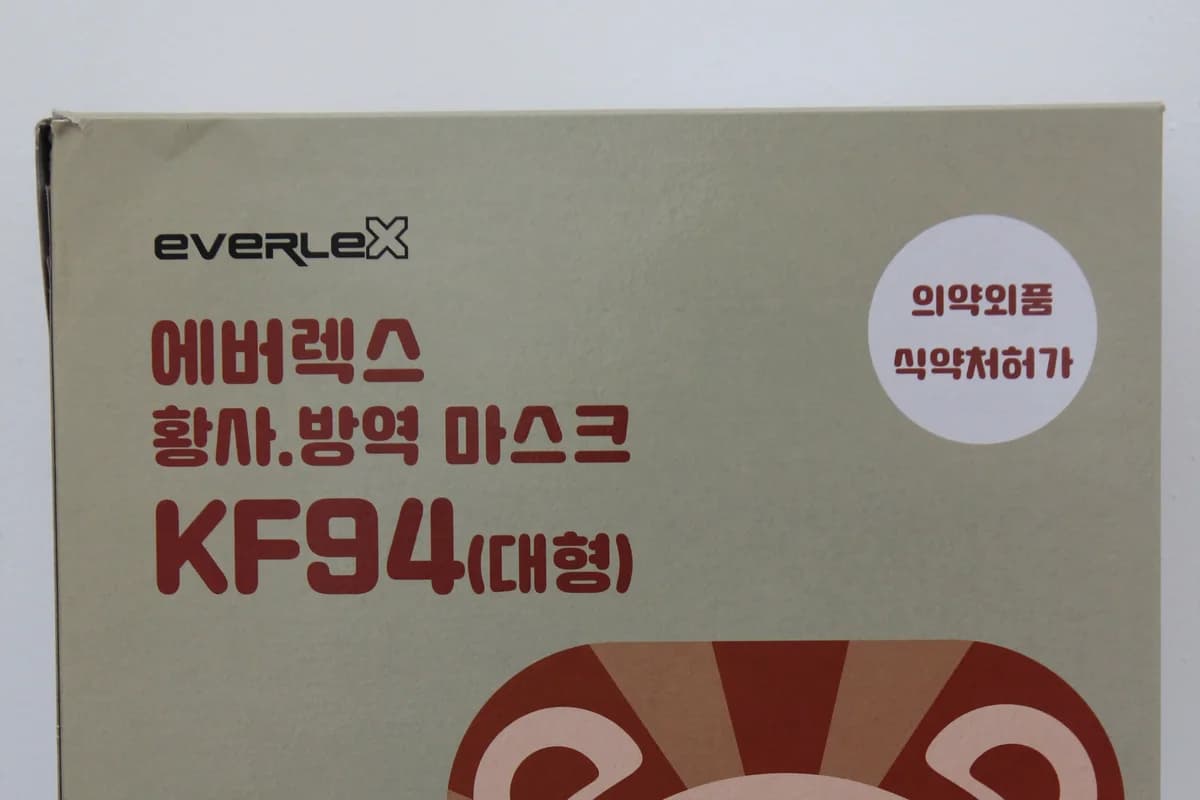
황사 Is Not 미세먼지: What Korea's Air Quality Alerts Actually Mean
English coverage treats yellow dust and fine dust as the same problem. Korea's own forecasters subtract one from the other before publishing. A guide to the two seasons, the alert thresholds, what KF94 actually certifies, and why 'it all comes from China' is a number swap.
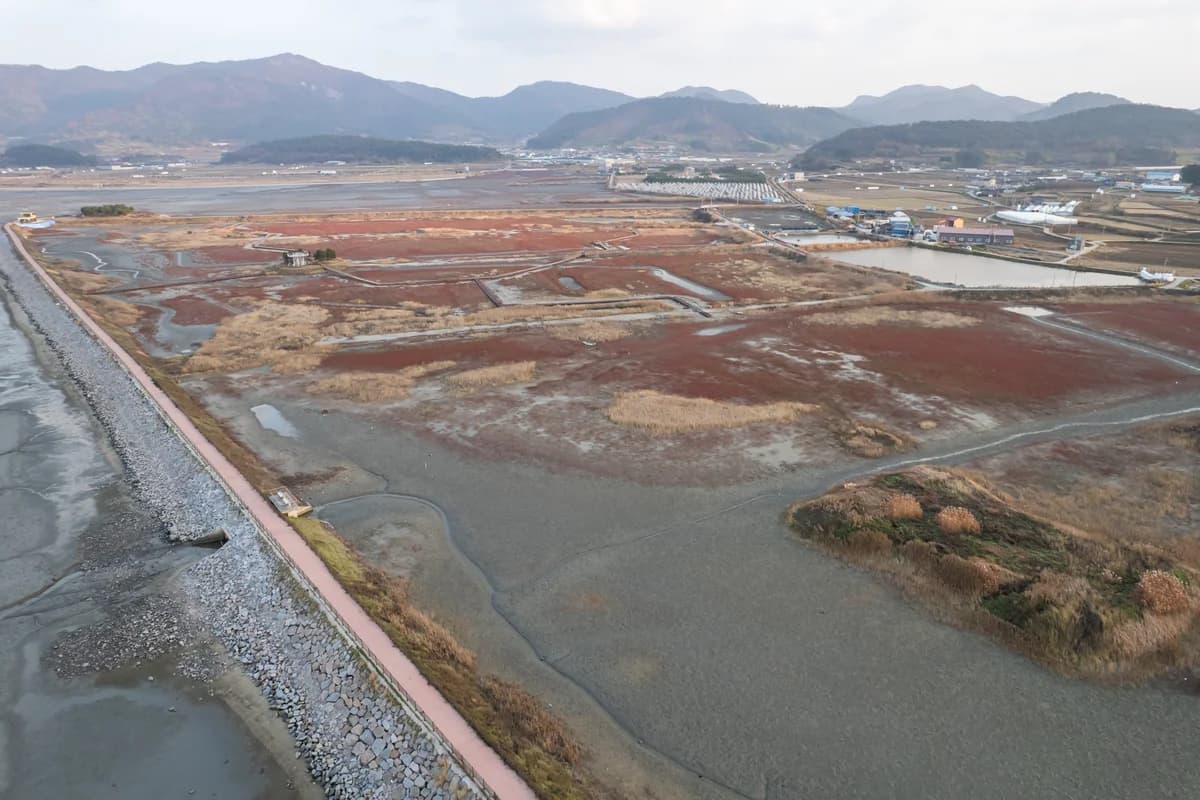
The Mud Korea Decided to Save: Getbol and the UNESCO Vote in Busan
The least Instagrammable thing Korea could nominate — a coastline of mud — is a UNESCO World Heritage site, and on July 25, 2026, in the one year Korea controlled the room, it was made bigger. A guide to getbol: the flats that feed millions of migrating birds, the women who ride wooden sleds across them, and why a country that once paved its tidal flats now enshrines them.
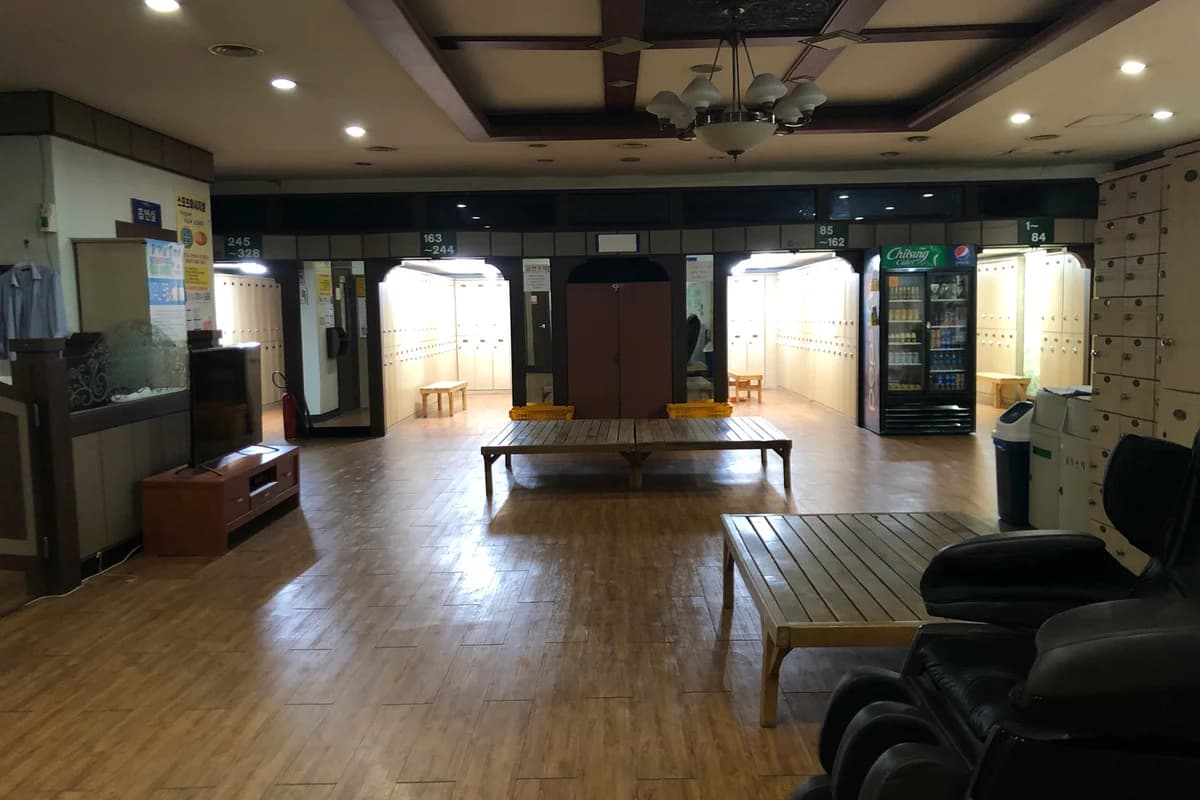
Jjimjilbang for First-Timers: How Korea's Bathhouses Actually Work
Yes, the bath part is fully nude. No, nobody cares. A step-by-step guide to the Korean spa-sauna-sleepover — the sheep-head towel, the scrub that removes a layer of you, which famous venues have quietly closed — and why the neighborhood bathhouse is disappearing even as the tourist jjimjilbang thrives.
The Weekly Dispatch
Korea, curated. Every week.
The best of K-culture, straight from Seoul. Written by people who actually live here.
Free, no spam, unsubscribe whenever.