A Year After Lotte Card, Korea's Banks, a Broker, an Insurer and Bithumb Have All Been Hacked in Six Weeks
Since late September, attackers have got into 신한, KB and 하나 banks, savings banks, a P2P lender, 대신증권, 미래에셋생명 and the crypto exchange 빗썸, usually through a side system built for convenience. The regulators counted sixteen firms and about 100,000 records on 14 October, and more have come forward since. Nobody official has said who did it. A year ago, after Lotte Card, the government promised this would not happen again.
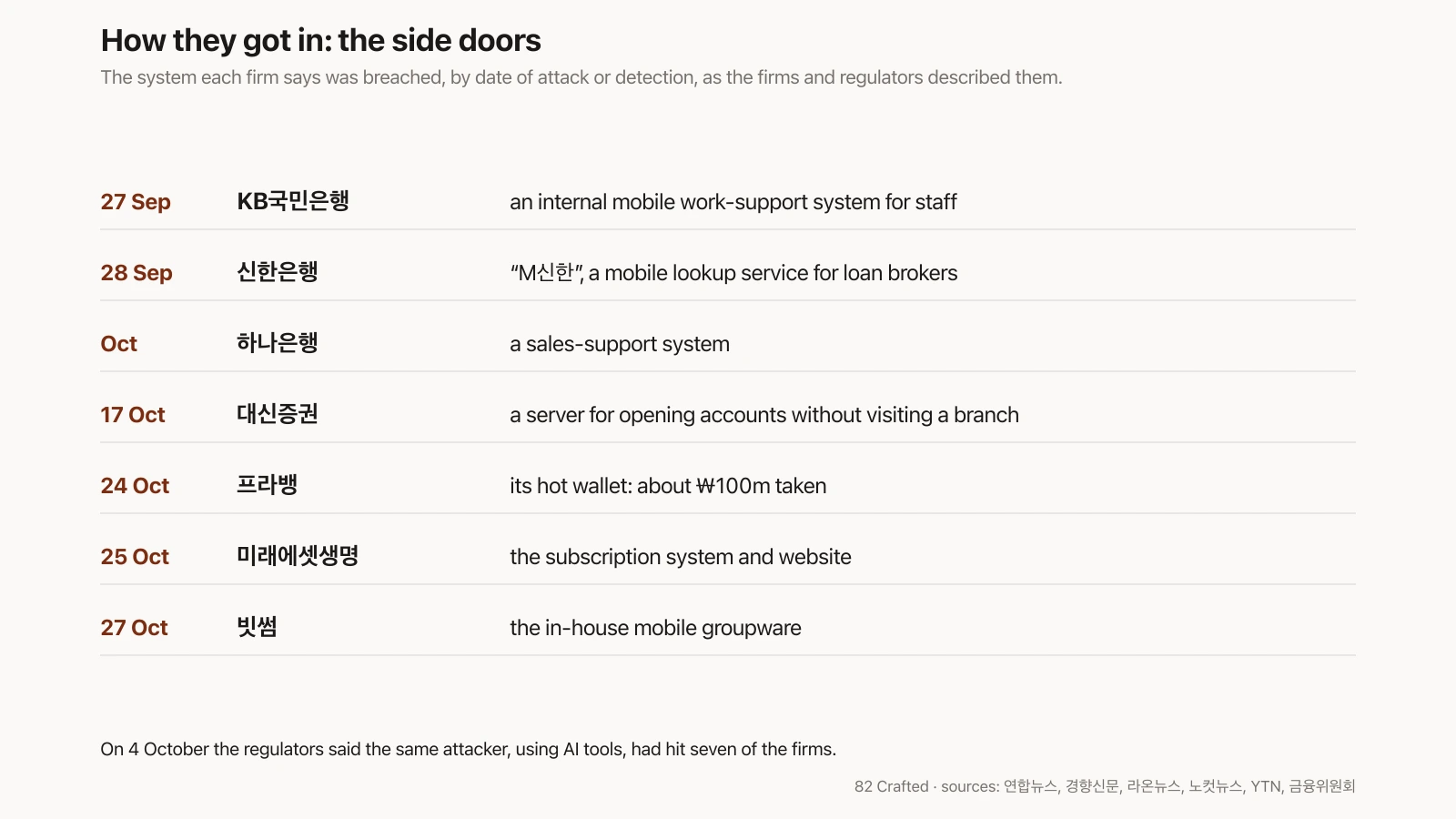
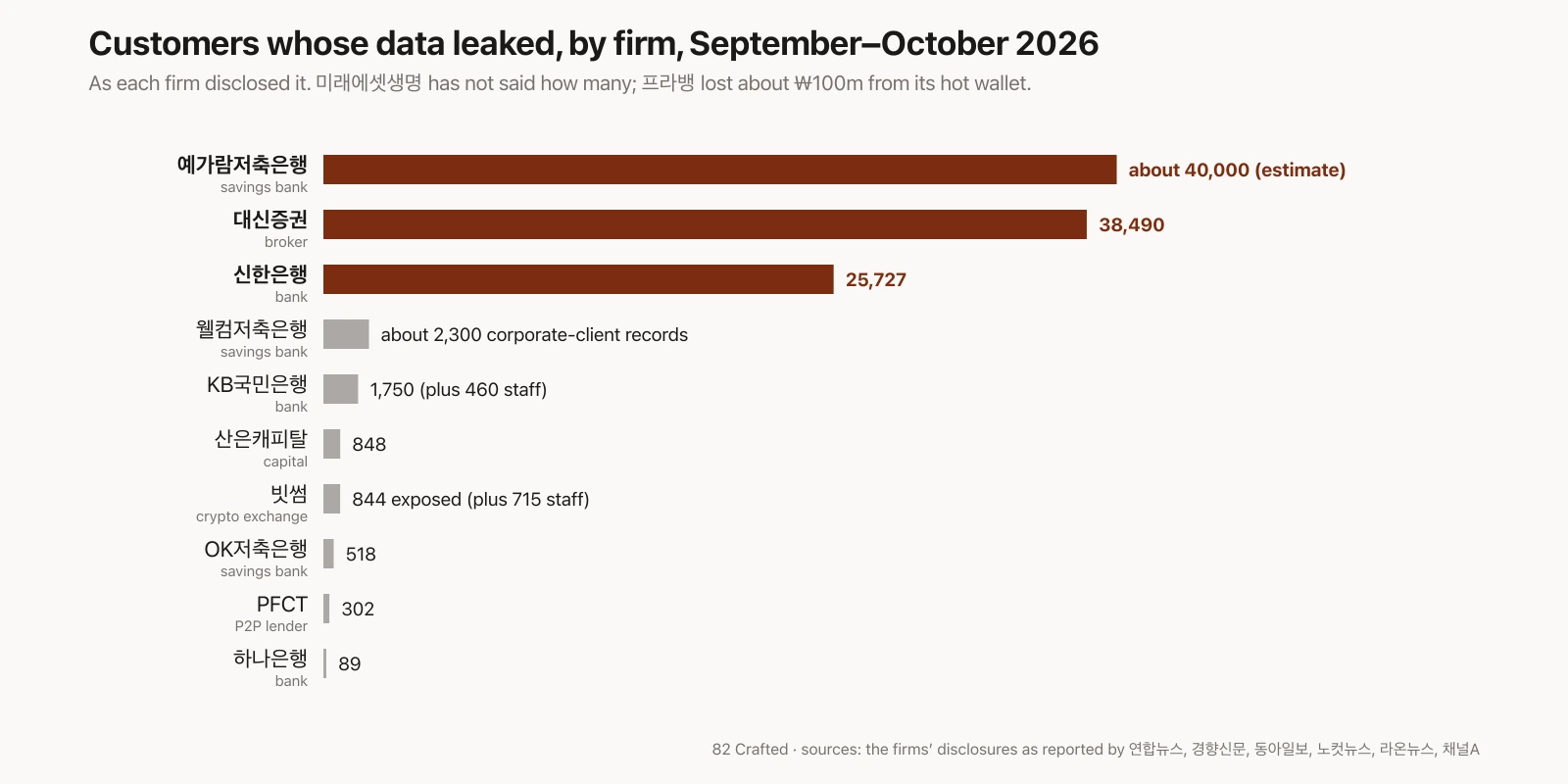
On Saturday 17 October, systems at the brokerage 대신증권 flagged abnormal access on a server linked to opening accounts without visiting a branch. It took the firm nine days to be sure what had happened. Analysing about 60,000 disguised requests, it confirmed on the 26th that customer data had leaked, and on the 28th it said how much: 38,490 customers, with up to eight items each — name, email, address, telecom provider, bank name, the account they move money in and out of, their 대신 account number and their mobile number. Some of it was encrypted. The firm says it has found no secondary damage and no access to its core systems, and it has promised compensation.
It was the first breach of its kind among Korea's brokers and asset managers. It was not the first of the season.
It began at the banks
The first target was KB국민은행, on 27 September, through an internal mobile work-support system for staff. KB first reported 119 customers affected. On 26 October it revised that to 2,210 — 1,750 customers and 460 staff — with the leaked fields growing from 17 to 39, now including deposit balances, loan history and credit ratings. Resident registration numbers were encrypted.
The next day, 신한은행 was hit through "M신한", a mobile lookup service for loan brokers, where unauthorised access got past the identity checks. On 1 October the bank disclosed 25,727 customers: names, phone numbers, annual incomes and loan limits, with 66 resident registration numbers among them. Its chief executive, 정상혁, said: "고객 여러분이 손해를 입게 되는 경우 책임을 다해 전액 보상할 것을 약속드린다" — if customers suffer losses, we promise to take full responsibility and compensate them in full. 하나은행 lost the details of 89 customers through a sales-support system. The savings bank 예가람저축은행, which detected its breach on 30 September, estimates about 40,000 — possibly the largest single leak of the wave.
On 4 October the Financial Services Commission held an emergency meeting of every financial sector and said the same attacker, using AI tools, had hit seven firms: 신한, KB, 하나, 부산은행, 예가람, 웰컴 and 현대캐피탈. Traces of an open-source, Chinese-developed AI penetration-testing tool, ARTEX, were found on an attack server; the attacks came from IP addresses in eight countries, Korea and the United States among them. On 6 October the regulators issued a consumer alert and began a month-long special response period for knock-on fraud.
On 14 October the FSC and the Financial Supervisory Service gave their only official count: 16 firms and about 100,000 records, with no account passwords or card numbers among them. Besides the banks, the list included 부산은행, 웰컴, OK and DB savings banks, 현대캐피탈, 산은캐피탈, the P2P lender PFCT, the 새마을금고 federation and the crypto operators 스트리미 and 프라뱅. Of 555 firms checked against a twelve-point list, 130 had reported shortfalls. The FSC's secretary-general, 신진창, said:
"그간 롯데카드 정보 유출, 미토스 쇼크 등으로 여러 차례 전수점검과 관리 강화를 주문했지만, 금융회사에서 기본적인 부분이 잘 지켜지지 않은 사례가 발견된 것은 매우 뼈아픈 부분."
We have ordered sweeping inspections and tighter management several times, after the Lotte Card leak and the "Mythos shock" among others. Finding cases where financial firms were not keeping to the basics is very painful.
(The "Mythos shock" was a scare in April over Anthropic's Mythos AI model, as 뉴시스 reported at the time.) On 19 October the chief executives of KB, 신한, 하나, 우리 and NH apologised at the National Assembly's audit of the FSS.
Then everyone else
The second half of October went beyond the banks.
- 프라뱅, a crypto exchange already on the regulators' list, lost about ₩100 million from its hot wallet on 24 October and suspended service — the first loss of customers' assets, rather than data, in the wave.
- 미래에셋생명 found an anomaly in its subscription system and website on 25 October and confirmed a leak the next morning: the first insurer. Names, resident registration numbers and account numbers were taken; it has not said how many customers. Its website was still down on the 29th.
- 빗썸, the crypto exchange, found an outsider in its in-house mobile groupware on 27 October. It said at first that only staff data was affected. On the 29th it said 6,444 customers were in the leaked files, 844 of them actually exposed — with, depending on the person, resident registration and driving-licence numbers and copies of ID cards — along with 715 staff and contractors. It says the exchange and its customer database were not touched. Its chief executive, 이재원, apologised "고객 여러분께 심려와 불안을 끼쳐드린 점에 대해", for the worry and anxiety caused.
- 미래에셋자산운용 reported abnormal access to some business web systems on 28 October, and says no unique identifiers, sensitive or credit data were taken.
Outlets counting all of it put the total at about twenty firms. That is a media tally; the official count is still the sixteen of 14 October.
The North Korea number
One figure has been widely repeated: 4.4 million attempts from North Korean IP addresses. It comes from a circular sent to financial firms on 21 October through the security monitoring system run by 금융보안원, the industry's security institute, and it counts 4,404,101 scans — probes for open ports — from a North Korean block of addresses. They were not break-ins, and none has been linked to any of the breaches.
No authority has attributed any breach to North Korea or to anyone else: not the National Intelligence Service, the police, KISA, the FSS or the FSC. An official quoted by 노컷뉴스 explained why: "IP 국적 조작이 가능하기 때문에 IP만으로 해커의 국적을 특정하기 어렵다" — IP nationality can be faked, so IPs alone cannot establish a hacker's nationality. The head of 금융보안원, 박상원, said the same of the ARTEX traces: the tool is open source, and does not identify an attacker. On 28 October the police's national investigation headquarters opened a preliminary investigation into 대신, 미래에셋운용 and 빗썸, and said: "추가 해킹 피해 사실을 확인하고 있으며, 기존 금융권 해킹 사건과의 연관성도 살펴보고 있다" — we are confirming further damage and examining links to the earlier financial-sector cases.
A year ago: Lotte Card
The comparison everyone reaches for is Lotte Card. It was hacked through its online payment system on 14 August 2025 and disclosed in September that the credit data of 2.97 million customers had leaked, 280,000 of them with card numbers, expiry dates and CVCs. The Personal Information Protection Commission fined it ₩9.62 billion in March 2026. In July the FSC suspended its new-card business for a month and a half and fined it ₩5 billion — the first business suspension ever imposed for a hack.
On 22 October 2025, five agencies — the science ministry, the FSC, the PIPC, the National Intelligence Service and the interior ministry — announced a joint plan. It promised inspections of about 1,600 IT systems, 261 of them at financial institutions; investigations without waiting for a company to report; punitive fines for late reporting; and on-site audits for security certification. A bill to allow fines of up to 3% of a firm's total revenue for electronic-finance breaches was introduced at the end of 2025. On 6 October 2026, 이데일리 reported that it was still stuck in the Assembly. We have found no report that it has passed since.
What the regulators are doing now
On 28 October the FSC said that it, the FSS and 금융보안원 had begun on-site probes, with teams sent to 대신 and 빗썸, and that it would push bank-level security rules on to crypto firms, which fall outside the electronic-finance act. The same morning the FSS governor, 이찬진, opened a scheduled breakfast meeting with the board chairs of eight bank holding companies. "인공지능(AI)이 해킹수단으로 활용되면서 보안 취약점이 쉽게 탐지되고 동시다발적 공격이 상시화될 것", the governor said — as AI becomes a tool for hacking, security weaknesses will be found easily and simultaneous attacks will become constant. Boards, the governor said, should lead on IT security "고객의 재산과 정보를 보호하고 금융신뢰를 위한 핵심 업무라는 인식 하에", as core work that protects customers' money and data and keeps trust in finance.
On 5 November the FSC's chair, 이억원, is due to meet the heads of the financial associations and the five big banks' chief executives on AI security threats. The month-long response period for knock-on fraud ends around the same time, unless it is extended.
What customers are told to do
The official advice, from the regulators' alert and the presidential national security office:
- Be wary of calls and texts that claim to be from a bank, a regulator or a financial company. They will never ask for passwords, verification codes or "protective" transfers.
- Don't tap links in texts you are not sure of.
- Sign up for 금융거래 안심차단서비스, which blocks new loans, account openings without a branch visit and open banking in your name. You can do it at a branch, through 내계좌한눈에 or in your bank's app.
- Register on the FSS 파인 portal's 개인정보노출자 사고예방시스템, which restricts new accounts and cards in your name if your data has been exposed.
- If you suspect voice phishing, call 1394. If money has gone, ask the police or the bank to stop the payment at once.
Update, 9 November: thirty-seven firms
The official count has more than doubled. At the Financial Services Commission's meeting on 5 November the regulators gave a new tally for 30 September to 3 November: 37 firms, 40 incidents, about 473,000 records and about ₩1 billion in stolen funds. By sector that is ten electronic-finance firms, five brokers and asset managers, five savings banks, four banks, four online lenders, three insurers, three crypto firms, two credit-finance firms and one mutual lender. It replaces the sixteen firms and 100,000 records of 14 October, and the media tally of about twenty.
About 580 firms are to be inspected, those with registered systems by 30 November and the rest by 31 December, and a serious weakness will mean shutting the service down. The chair, 이억원, called lax security a management failure for which chief executives will answer. Reports of the meeting name the heads of the financial associations; we had said the five big banks' chief executives were due too, and could not confirm that.
Two more brokers have been hit. 한양증권 disclosed 31 records on 3 November. 미래에셋증권 found a breach on 4–5 November affecting about 3,800 customers' account numbers and 35,255 current and former staff, and the Financial Supervisory Service was due on site from 9 November.
The bill for revenue-based fines has not moved: sent to a subcommittee on 31 March, it has had no real review since, 데일리안 reported. Sources date its introduction differently, 이데일리 to December 2025 and 데일리안 to 28 November, so we now say the end of 2025. No inspection results or new fines have been published.
Sources for this update: 쿠키뉴스, 파이낸셜뉴스 and 주간한국 (5 November); 한스경제 (3 November); MBC, 동아일보 and 머니투데이 (7–8 November); 데일리안 (6 November).
Update, 11 November: the security institute itself
The body that checks the industry's security was breached. At about 3 p.m. on 9 November someone gained abnormal access to a system run by 금융보안원, the Financial Security Institute, a non-profit association licensed by the Financial Services Commission. Financial firms use the system to upload paperwork for their data-protection self-assessments. The attacker kept changing IP addresses so the visits looked normal. The institute blocked access and reported it to the FSC and to KISA, and 연합뉴스 broke the story on the evening of 10 November.
What was taken was mostly about the industry's own staff, not customers. By the institute's account, about 200 administrative forms, about 300 personal records within them, and about 350 user records with masked names and phone numbers and email addresses. That is why reports give 300, 650 or 850: they count different parts of the same total. First reports said no personal data had leaked; that was revised within hours, and the institute apologised. Officials, unnamed, say the FSC has ordered it to find the cause and re-check every system.
The official count of hacked firms has not moved: 37 firms, 40 incidents and about 473,000 records, repeated by the police on 9 November, with no arrests and no attribution. Neither the institute nor 미래에셋증권, where the FSS has now begun an on-site check, is in that count. The authorities' special response period, due to end on 5 November, has been extended to the end of December. The bills to fine firms up to 3 per cent of revenue are still waiting for a committee.
Sources for this update: the institute's statement as reported by 연합뉴스, ZDNet Korea, 노컷뉴스 and 국민일보 (10–11 November); the police figures from 머니투데이 (9 November); the count's exclusions from 녹색경제; 미래에셋증권 from 연합뉴스; the bills from 뉴스토마토; the unnamed officials and the FSC order from 뉴시스; the extended response period from 연합뉴스.
What it says
Look at how the attackers got in. Mostly not through core systems, by the firms' own accounts, but through side doors: a phone app for staff, a lookup service for loan brokers, a sales-support system, a server for opening accounts remotely, a company groupware app. Each was built to make something easier for someone, and each sat close enough to customer data to leak it.
That is also what the regulators' own count describes. 130 of 555 firms reported shortfalls against a twelve-point list of basics, a year after the government said it would inspect 1,600 systems and fine late reporting. The official who announced the count called it "매우 뼈아픈", very painful. The bill that would let regulators fine a firm up to 3% of its revenue was, at last report, still waiting in the Assembly. Nobody has yet said who is behind the attacks. On the evidence of this autumn, the more useful question may be why the side doors were open.
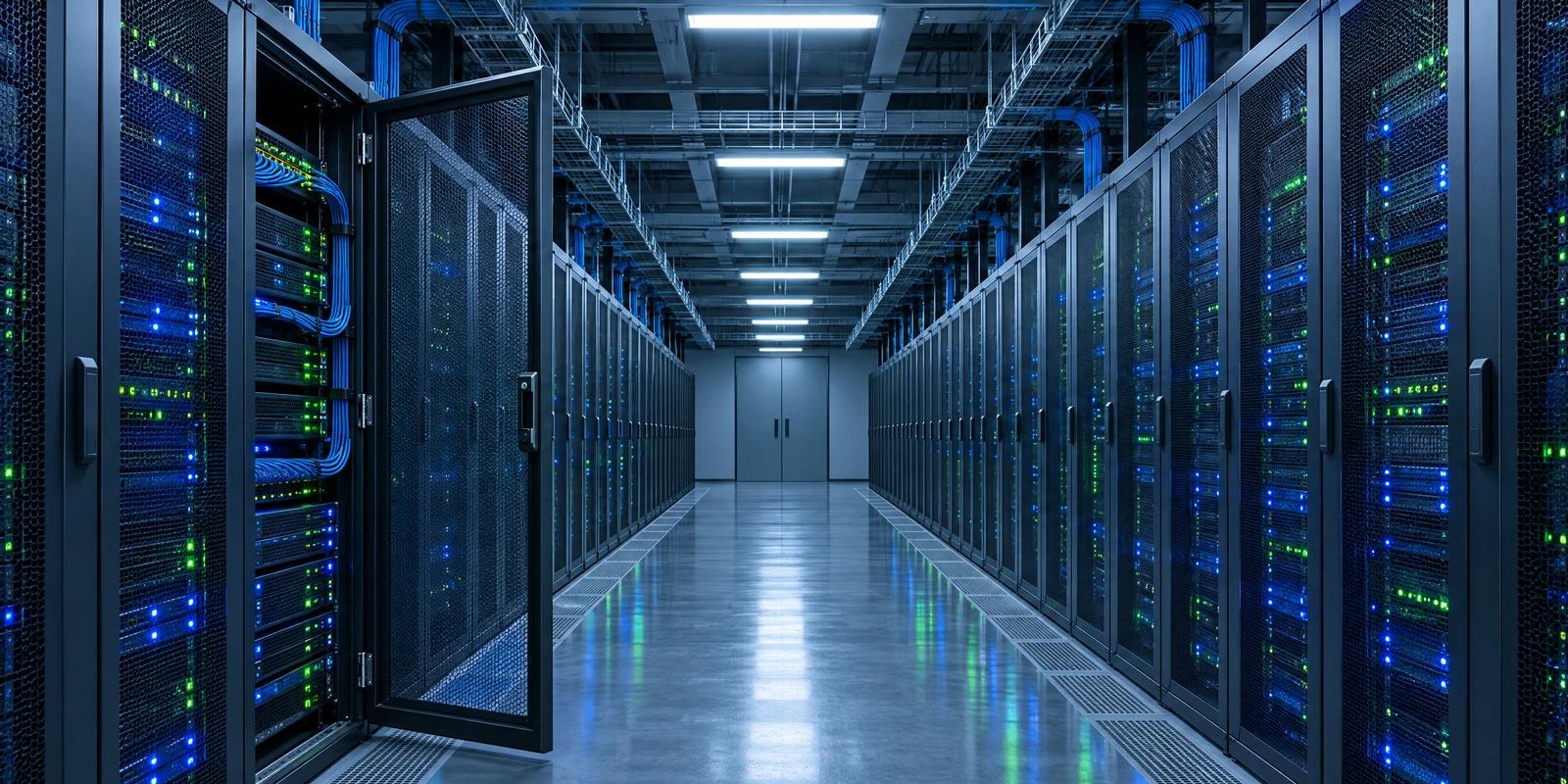
Images. The cover, listing and homepage images are AI illustrations (generated with Higgsfield, GPT Image 2.6): a server room with one rack door open, a bank vault shut beside a small side door left ajar, and a fishing hook coming out of a phone. They depict no real firm or system. The two graphics in the text are ours, from the firms' disclosures and the regulators' statements as reported.
Sources. 대신증권 is from its press release of 28 October as reported by 연합뉴스, 미디어스 and 라온뉴스. The banks are from 연합뉴스, 경향신문, 동아일보, 라온뉴스, 서울파이낸스, 보안뉴스 and 매일경제; the FSC's 4 and 14 October statements from 전자신문, 연합뉴스, 비즈워치 and 경향신문; the CEOs' apology from 연합뉴스, 경향신문 and KBS. 프라뱅 is from 노컷뉴스 and 서울파이낸스; 미래에셋생명 from YTN, 라온뉴스 and 뉴스1; 빗썸 from 노컷뉴스, 채널A and 조선비즈; 미래에셋자산운용 from 연합뉴스 and MBC. The circular is from 노컷뉴스 and 강원도민일보; the police from MBC, 뉴시스 and 뉴스1. Lotte Card is from 한국경제, 연합뉴스TV, the PIPC and the FSC; the 2025 plan from 서울신문 and 바이라인네트워크; the bill from 이데일리. 이찬진 is from 연합뉴스 and SBS Biz; the advice from the regulators' alert of 6 October and the national security office's statement of 28 October.
Stated rather than smoothed. Counts differ slightly between outlets: 신한's is 25,727 in most and 25,729 in one; 웰컴's corporate-client records are about 2,200 in one and about 2,299 in another. 예가람's 40,000 is the company's estimate. Outlets differ on who sent the 21 October circular and over what period the scans were counted. A report that 프라뱅 was first hacked on 2 October, the cause given for the 미래에셋생명 breach, and a 43-person police task force each rest on a single source, and are not used. The revenue-based fines bills are still waiting for a committee as of 11 November, per 뉴스토마토; we found no hearing and no passage. Outlets disagree on what the institute is: 연합뉴스 calls it a public body under the FSC, ZDNet says it is under the FSS, and 노컷뉴스 and Korean Wikipedia call it a non-profit association, which is the wording we use. 이재원's apology is quoted as 노컷뉴스 reported it.
Keep Reading
More Stories

China's Unofficial Ban on Korean Culture Has Seemed to Ease Before. The New Trade Deal Leaves Out the Concerts
On 18 November Seoul and Beijing said the services and investment talks that follow their free trade agreement were substantially concluded. Korean films and games get treatment as good as other foreigners', joint productions widen to dramas and variety, and entertainment shares jumped. Concerts are not in it. The ban has seemed to ease before, with a game licence in 2020, a film in 2021 and a drama in 2022, and the concerts never came back.

JTBC, the Channel That Bought the Olympics, Is Now for Sale Through a Korean Court
On 9 November the broadcaster published a sale notice from inside court rehabilitation: new shares and bonds, letters of intent by 4 December, a preferred bidder in January. Its group defaulted on ₩20.6 billion in June. Nobody has been named as a buyer, and nobody has said what happens to the newsroom or to the rights to the next three Olympics.
The Power Company Has Started Cutting Off Homeplus. The Hypermarkets Are Already Closed. The Small Shops Inside Are Not
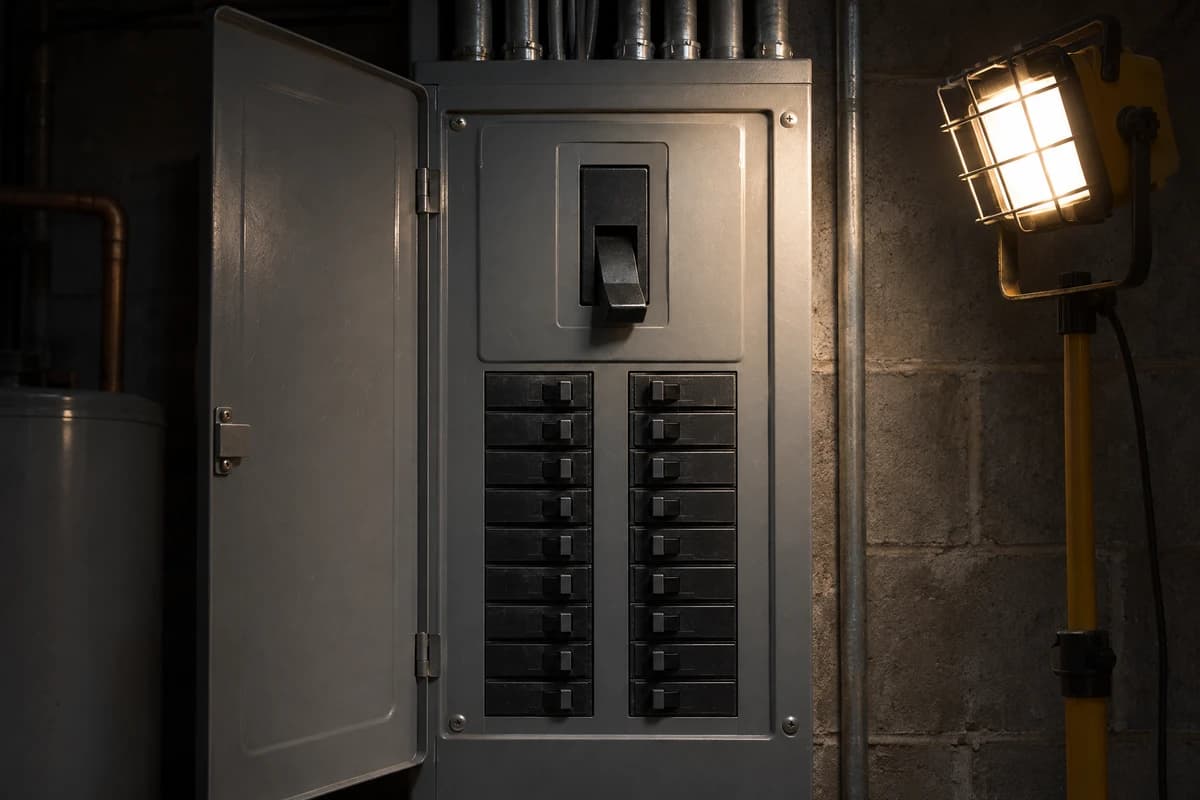
On 28 October KEPCO cut the electricity at Homeplus's Namyangju Jinjeop building, and at least ten more closed Homeplus stores have had warnings. Homeplus says it cannot pay the power bills at stores it no longer runs. Gyms, cafés, clinics and pharmacies are still trading inside them. The same week the chain postponed most of its staff's August wages, cancelled a redundancy scheme about 400 people had signed up for, and dropped the deadline for its own sale.
The Weekly Dispatch
Korea, curated. Every week.
The best of K-culture, straight from Seoul. Written by people who actually live here.
Free, no spam, unsubscribe whenever.