Korean Ghosts Don't Haunt. They File Grievances.
Two Korean occult dramas landed in Netflix's global Top 10 the same week — led by The East Palace. The folklore underneath: why a 귀 is a wronged spirit with a case to close, why the Joseon state literally scheduled a ghost-appeasing rite twice a year, and why that terrifying white-robed ghost is younger than you think.
In the week of July 13–19, 2026, two Korean occult dramas charted in Netflix's global Non-English Top 10 at the same time. The East Palace (동궁) landed at #2 with 4.9 million views in its first partial week; the ghost-seeing romance Spooky in Love (오싹한 연애) came in at #8 (Netflix Tudum). Stack that on Exhuma — the shamanism-and-graves horror film that drew 11.9 million admissions to become Korea's top film of 2024 — and it's fair to say Korean ghosts are having a moment.
If you're watching The East Palace and wondering why its spirits behave nothing like the ghosts of a Western haunting, here's the folklore the show is built on. Western ghosts tend to linger and menace. Korean ghosts have a grievance, and a case to close. That difference is the whole grammar of Korean horror — and the Joseon state took it seriously enough to put a ghost rite on the official calendar.
(Spoiler policy: everything below is premise, cast, and folklore. No plot turns from the show's eight episodes.)
The Show, and Its Title
The East Palace is an eight-episode Netflix period fantasy-horror, premiered July 17, 2026, directed by Choi Jung-kyu with a set in a fictionalized Joseon. Nam Joo-hyuk plays Gu-cheon, a ghost-slayer; Roh Yoon-seo plays Saeng-gang, a court lady who can hear the dead; Cho Seung-woo plays the King who recruits them to deal with hauntings the crown's power can no longer contain (Wikipedia).
Start with the title, because it's doing quiet work. 동궁 (東宮) means "East Palace," and it refers to two things at once: the residence of the Crown Prince, and — by metonymy — the Crown Prince himself.
Why east? This is real cosmology, not decoration. In Korea's 오행 (五行, five phases) system, east maps to spring, to sunrise, to the beginning of the cycle, to rising yang energy. The heir is housed in the eastern quarter for the same reason he's sometimes called the 춘궁 (春宮), the "Spring Palace": just as spring is the season that waits to become the harvest, the crown prince is the one who waits to become king. A drama named for the heir's east wing is, at the level of its title, a drama about succession. That much is safe to say; the rest is for the episodes to tell you.
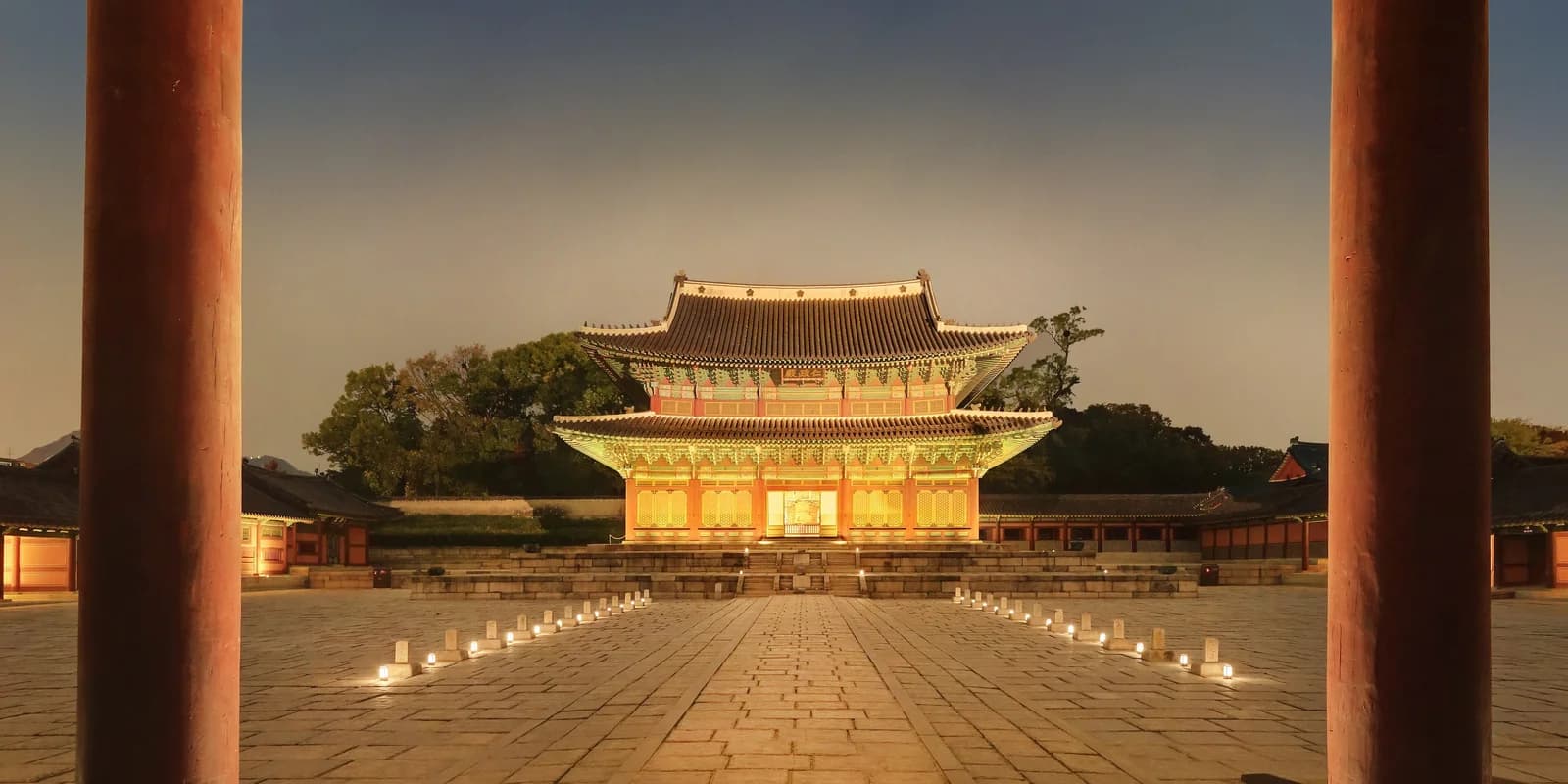
The real Joseon 동궁 stood on the eastern side of Changdeokgung. Its grand hall, 중희당 (Junghuidang), is gone — its site is now near the entrance to the Secret Garden — but the crown prince's study hall, 성정각 (Seongjeonggak), still stands, and you can walk past it on the standard palace route today.
(One thing to file away for your Gyeongju trip: the famous night-reflection ruin called 동궁과 월지 (Donggung and Wolji), once known as Anapji, is also an "East Palace" — but a Silla one, from the 7th–8th century, unrelated to the Joseon palace of the show. Same words, different dynasty.)
What a 귀신 Actually Is
The umbrella word is 귀신 (鬼神). Korea's Encyclopedia of Korean Culture defines it as a being credited with supernatural power, and splits it into two families: nature and guardian deities on one side, and the souls of the human dead on the other (encykorea). Horror lives in the second family.
The key figure is the 원귀 (寃鬼) — the wronged dead. And the folklore is unusually specific about how one is made. A soul becomes an 원귀 when a life fails one of three conditions:
- 충족한 죽음 — a "fulfilled" death, meaning dying old, in the natural order of things.
- 소속 — belonging: a family, a community.
- 신원 — a recognized name and identity.
Fail these, and the dead can't rest. This is why the classic Korean ghosts are who they are: the 처녀귀신 (處女鬼神), the woman who died unmarried; the 몽달귀신, the bachelor who died unwed; the 객귀 (客鬼), who died far from home. In a Confucian order built on ancestral rites, dying unmarried meant no descendants — and no descendants meant no one to perform your 제사, no one to feed you as an ancestor. You became, in the tradition's own chilling phrase, a 무사귀신 (無祀鬼神): an "unsacrificed" ghost.
The horror, in other words, isn't that these spirits are evil. It's that they were failed — by circumstance, by an incomplete life, by a system that had no place for them.
한 and 해원: The Grievance and Its Untying
Two words explain why Korean ghosts feel different.
The first is 한 (恨) — a distinctively Korean knot of unresolved grievance, longing, and accumulated wound (encykorea). A Korean ghost is driven by han: not motiveless malevolence, but a specific unfinished business. (You'll hear it claimed that han is uniquely Korean while China and Japan merely have "grudge." Treat that as a cultural talking point rather than settled anthropology — but the emotional logic it points to is real.)
The second is the payoff: 해원 (解寃), the "untying" of the grievance. A Korean ghost story typically resolves not when the spirit is destroyed, but when its case is closed — a wrong exposed, a body properly buried, a marriage completed. The traditional toolkit ran three ways: veneration (offerings and 굿, shaman ritual), expulsion (talismans, salt, sword, fire), and coaxing with honorific names. The stated goal was to convert 원기 (怨氣), resentful energy, into 화기 (和氣), harmony.
That's the template beneath almost every Korean ghost narrative, including the prestige ones: the dead have a grievance, and the living resolve it. The scare is the setup; the release is the story.
There's even a ritual answer to the unmarried-ghost problem: the 사혼식 (死婚式), or ghost marriage, in which a shaman weds two dead singles — sometimes with paper effigies dressed as bride and groom — so both spirits are, at last, complete.
The Joseon State Had a Ghost Budget
Here is the fact that reframes everything, and it's history, not drama.
Joseon's official ideology was 숭유억불 — revere Confucianism, suppress Buddhism — and the orthodox way to handle the royal dead was Confucian ancestral rite at 종묘 (宗廟), the royal shrine: proper ancestors, properly fed. But the state understood perfectly well that some of the dead fell outside that system. So it built a rite for them.
The 여제 (厲祭) was a state ritual for 여귀 (厲鬼) — the plague-bringing, unsacrificed, ownerless dead. It was held twice a year — the 15th of the seventh month and the 15th of the tenth — at an altar called the 여단 (厲壇) in the northern suburb of the capital, officiated by the governor of Hanseong (Seoul), with offerings laid out for one City God and fifteen wandering spirits. It was codified as an official minor sacrifice in Joseon's five-rites manual under King Seongjong (encykorea).
Read that again: the Confucian state, officially committed to rational ritual propriety, scheduled the appeasement of hungry ghosts into its liturgical calendar, twice a year, with a budget and a presiding official. The ghost problem was real enough to legislate.
And behind the palace walls, the suppression was even leakier. There was a genuine royal shaman office — the 성수청 (星宿廳) — that ran blessing-and-aversion rites for the royal house, located near Changdeokgung (encykorea). Officially, Joseon persecuted shamans. In practice, its queens kept one on the court payroll. That tension — the rational Confucian state and the spirit-world it never stopped managing — is exactly the space a drama like The East Palace moves into.
(What the show invents is the hero: a sword-carrying ghost-slayer summoned by the king. The documented Joseon response to unquiet dead was ritual — 여제, 굿, shaman patronage — not exorcist-warriors. Enjoy the fantasy, but keep it separate from the history.)
The Ghost You're Picturing Is Younger Than Joseon
One myth worth puncturing, precisely because it feels ancient: the iconic Korean ghost — a woman in a white 소복 with long, loose black hair hanging over her face — is a modern visual convention, not old folk imagery.
Korean reporting traces that look largely to colonial-era fiction and film illustration, settling into a stereotype by the 1930s and cemented by Korean cinema from roughly the 1970s. Older ghost tales — the wronged Arang, the sisters of the Janghwa-Hongryeon story — emphasized the ghost's voice and its grievance, not a costume.
What is old is the meaning of the white robe: the 소복 derives from 상복 (mourning dress). So the ghost wears grief itself. The image is modern; the sorrow it encodes is the ancient part. (We're flagging this rather than stating the 1970s film detail as gospel — but the broad point, that the "classic" Korean ghost look is an invented tradition, is well established.)
If You Want to See the Real Thing
- In Seoul: Changdeokgung's 성정각, the surviving crown-prince study hall, is on the regular palace route; Changgyeonggung sits next door. This is the actual 동궁 ground.
- In Gyeongju: 동궁과 월지 is one of Korea's great night-photography sites — reconstructed pavilions mirrored in a pond, open into the evening — but remember it's the Silla East Palace, seven or eight centuries before the show's setting.
The Takeaway
Korean ghosts scare you, but that's not their point. A 귀 is usually a soul that a life, or a system, failed — carrying 한 it needs untied. The story ends not when the ghost is beaten but when its grievance is finally heard. It's a worldview in which even the terrifying dead are owed something, and the living owe it — a worldview so durable that the Confucian state scheduled it, twice a year, on an altar north of the city.
When you watch The East Palace, that's the layer under the jump scares: not a haunting, but a case file. The ghost isn't there to hurt you. It's there because someone, once, refused to hear it.
If Korean occult drama has pulled you in, it runs deep on this site: why Exhuma and the shamanism wave took off, the best Korean thrillers on Netflix, and the K-dramas worth starting with if you're new.
Cast, premiere date, and chart figures are dated in-text and sourced to Netflix's official Tudum weekly list and reference databases; daily-chart ranks move, so we cite the official weekly figure. Korean folklore terms are verified with hanja against the Encyclopedia of Korean Culture (한국민족문화대백과사전). We keep the show's inventions (its ghost-slayer hero) explicitly separate from documented Joseon practice (여제, 굿, shaman patronage). The claim that han is uniquely Korean is presented as cultural framing, not established fact; the modern origin of the white-소복 ghost image is presented as well-established with the specific 1970s film date flagged as unconfirmed. No plot spoilers from the series are included. Images are of real Korean palaces and rituals, not stills from the series (no high-resolution official promo art was cleanly available): hero — Donggung and Wolji pond in Gyeongju, lit at blue hour, which is itself an "East Palace" but a Silla one, not the Joseon setting of the show, by Basile Morin, CC BY-SA 4.0 via Wikimedia Commons (cropped); cover — the Injeongjeon throne hall at Changdeokgung at night, by the Korea Heritage Service (국가유산청, formerly 문화재청), KOGL Type 1 (cropped); listing card — a court dance performed on the Changdeokgung Moonlight Tour, by the Republic of Korea (Korea.net / KOCIS), CC BY-SA 2.0 via Wikimedia Commons (cropped).
Keep Reading
More Stories
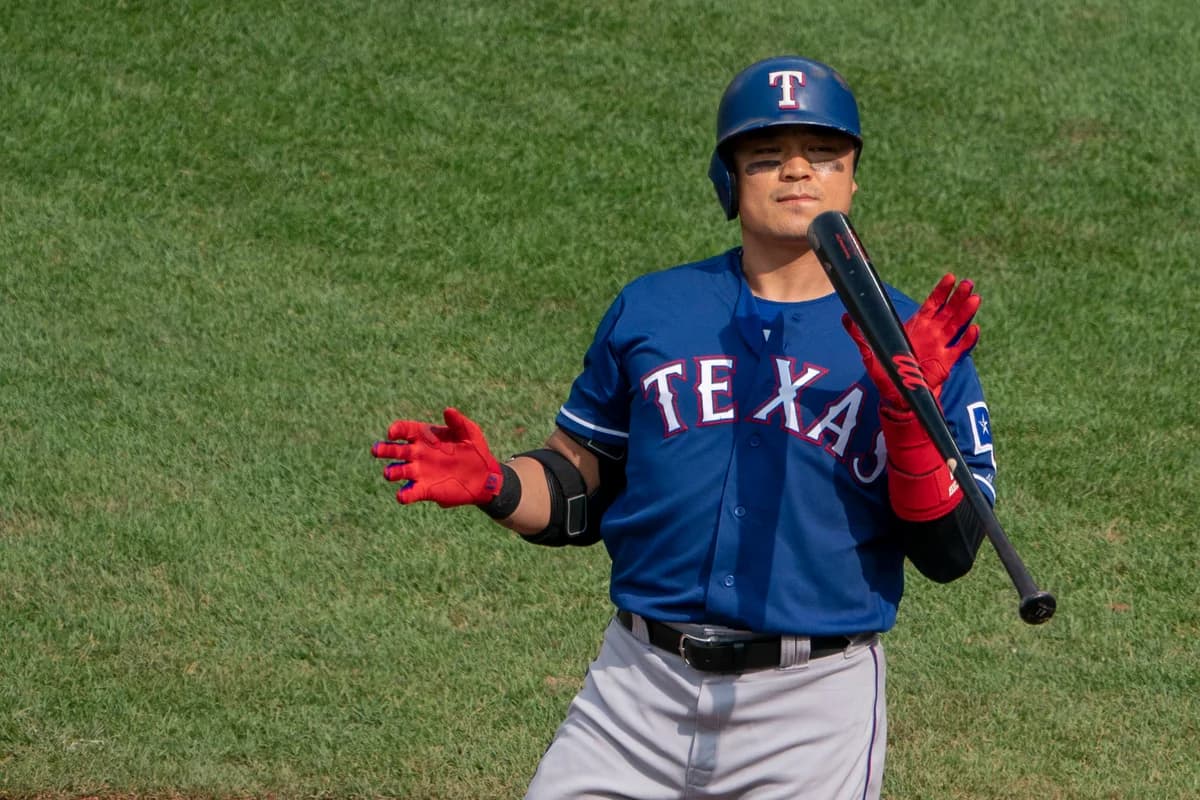
Korea's 《야구여왕》 Built a Women's Baseball Team Out of Olympians, Lost 36–0, and Now Has to Win 60 Per Cent or Be Disbanded
채널A's sports-variety series is managed by Choo Shin-soo on his days off, captained by an Olympic handball medallist, and has a catcher who kept goal for the unified Korean ice hockey team at PyeongChang. On 17 September a 22-year-old golfer — drafted 115th by New York in America's new women's professional league, and never signed — caught for the first time, hit her first home run and closed out the game. The team is 5–2. The sport it plays has thirty elite women registered in the entire country.
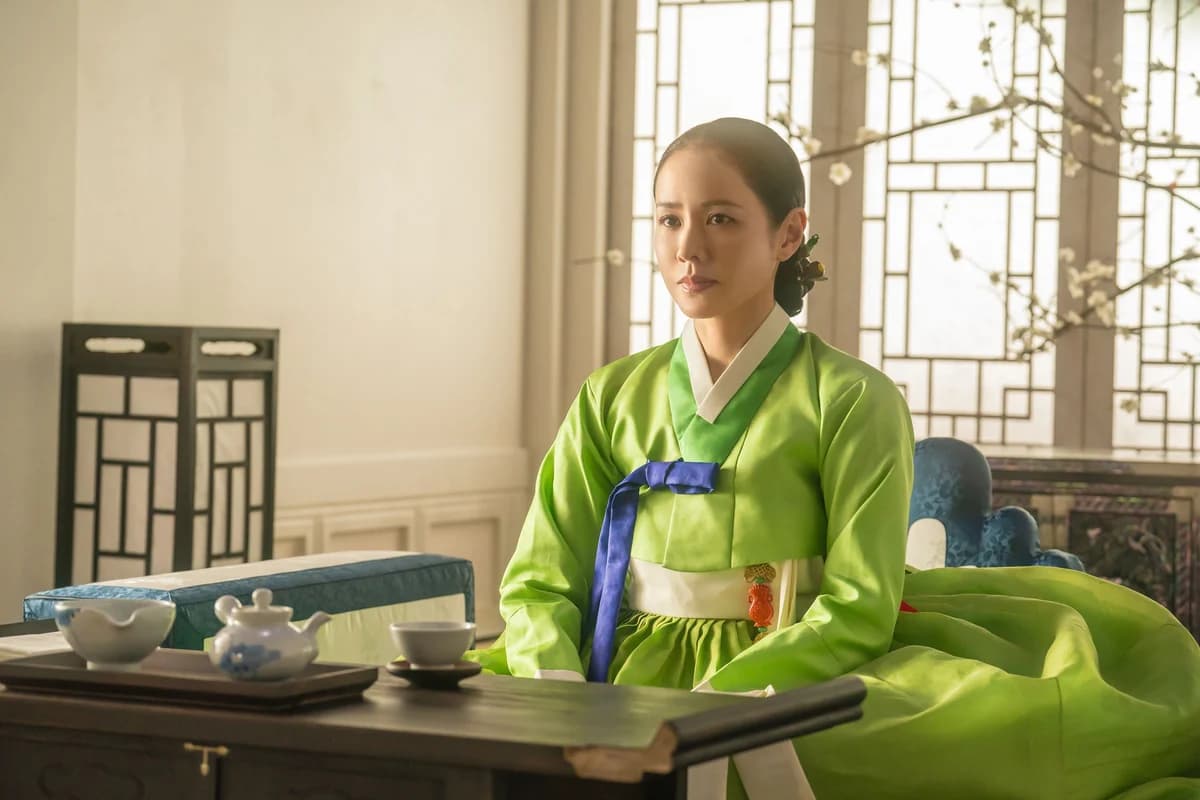
Netflix's 《스캔들》 Is Officially a Remake of the 2003 Film. Its Director Says He Went Back to the 1782 Novel Instead.
All eight episodes drop at 17:00 KST on 18 September, with Son Ye-jin as the widow who runs the game, Ji Chang-wook as the rake she runs it with, and Nana as the woman they wager on. Netflix's own announcement credits Lee Jae-yong's 《스캔들-조선남녀상열지사》 as the source. Jung Ji-woo told the press conference he didn't start from that film at all, but from Laclos — and rewrote the relationships until, he says, 'a great deal changed.' Here is what is known the day before, and what has been said about it that isn't quite true.
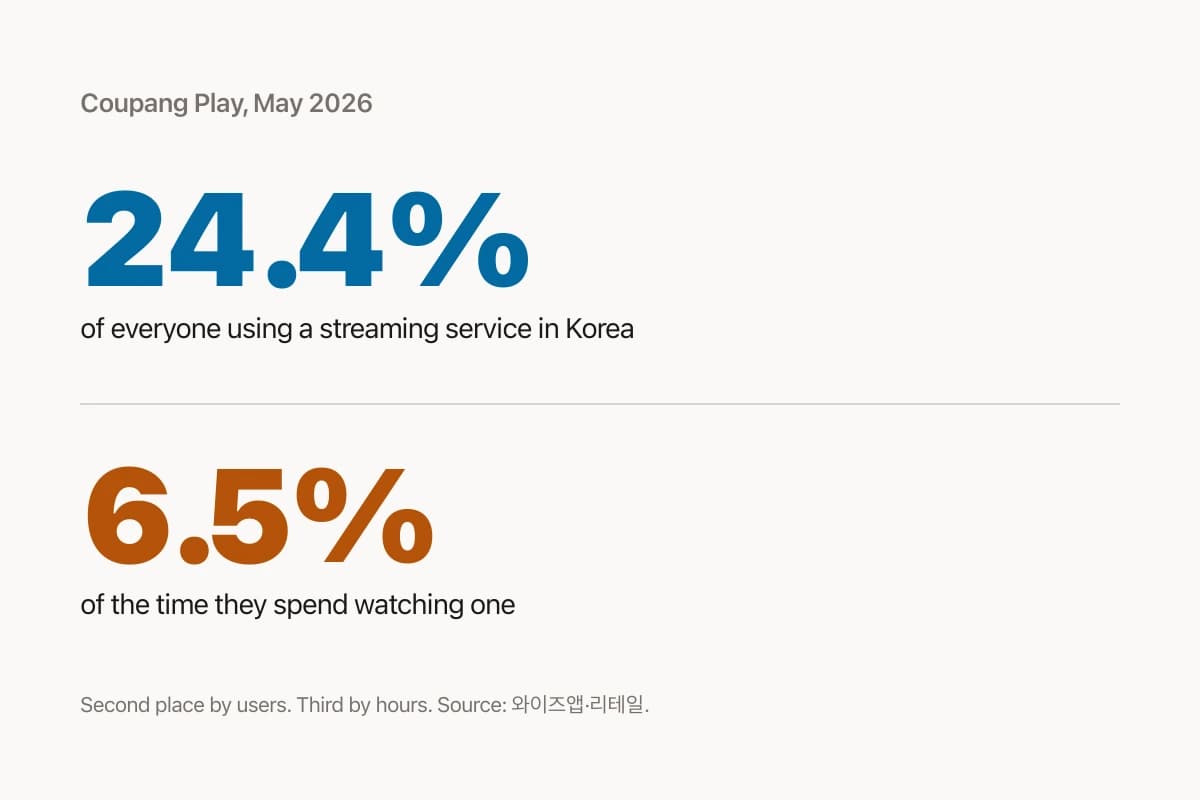
Korea's No. 2 Streaming Service Is One Almost Nobody Watches. It Just Made the Biggest Show on Korean Television.
Coupang Play has a quarter of Korea's streaming users and six and a half per cent of its viewing time — the signature of a service people are subscribed to rather than watching. Then Kim Hye-soo and Cho Yeo-jeong turned up in a black comedy produced by the Squid Game director's studio, and it became the most-watched thing the platform has ever made. It is free to watch in Korea, licensed to Viu everywhere else, and the Western press that decides which Korean shows go global still hasn't looked at it.
The Weekly Dispatch
Korea, curated. Every week.
The best of K-culture, straight from Seoul. Written by people who actually live here.
Free, no spam, unsubscribe whenever.