The 8 Best Jjajangmyeon and Jjamppong Houses in Seoul, Honestly (2026)
Black-bean noodles and spicy seafood noodle soup at old Seoul houses, several founded by 화교 (ethnic Chinese) families. Eight chosen for heritage and fair prices, plus one place to go if you want Chinese cooking beyond the noodles.
In Samgakji, a small Chinese restaurant serves lunch only, and on a busy day the wait can stretch to about an hour. In Yeongdeungpo, another one still sends its noodles out in a metal delivery box. In Daehangno, a third has been run by the same family since 1925.
This list picks eight old Chinese houses in Seoul. Several were founded by Seoul's 화교 (hwagyo, the ethnic Chinese community), and all serve jjajangmyeon (noodles in a black-bean sauce) and jjamppong (a spicy seafood noodle soup). We chose heritage and fair prices over hype, and we mention a queue only where a source reports one.
One of the strongest Chinese restaurants in the city is not on the ranked list, for a reason we explain after the eight.
How to read this list
We built the list from what we could confirm in two or more independent places: the Seoul Future Heritage (미래유산) restaurant table published by Seoul Media Hub in 2021, Seoul's 오래가게 (long-running shops) list of 2024, the 2026 서울미식 100선 (Seoul's own 100-restaurant guide), and press coverage in 중앙일보, 주간조선, 트래비, 이뉴스투데이, 동행미디어 and others. The Michelin Guide Seoul & Busan 2026 Bib Gourmand list has only one Chinese restaurant besides a vegan place, and it is the aside below, not a ranked entry. The order runs from the strongest evidence to the thinnest.
Prices come from each restaurant's Kakao Map menu, with the month the menu was last updated, unless we say otherwise. Menus change, so treat every figure as a guide. Hours and closing days change too, so check the venue's Naver Map or Kakao Map listing before you go. We name a closing day only where two sources agree.
Why the old houses matter
Several of our sources tell a version of the same story. According to 중앙일보's cooking section, limits on 화교 property and trade after 1945 pushed many Chinese families into restaurants, so Chinese restaurants multiplied. American wheat aid in the 1950s then made noodles cheap. 경인일보 adds that the sweet, black version Koreans eat today is usually dated after the 1950s, built on a black bean paste (chunjang) from a brand called 사자표, founded by a Shandong-born 화교, with the government's 1964 to 1977 campaign for mixed grains and flour foods helping to spread it.
Where jjajangmyeon began is disputed. 경인일보 says 공화춘 (Gonghwachun) in Incheon is known as the first place to sell the dish. The restaurant later closed, and its building is now the Jjajangmyeon Museum. A 한겨레 book column, citing 이정희's book 『화교가 없는 나라』, reports that there is no firm evidence 공화춘 was first, and that Chinese restaurants were already operating in Incheon and Seoul before it. We do not pick a side.
A last note on spelling: 자장면 was the only standard form from 1986 until 2011, when the 국립국어원 (National Institute of Korean Language) also accepted 짜장면. The government's price portal still lists the dish as 자장면.
1. 안동장 (Andongjang), Jung-gu, Euljiro 3-ga
Jung-gu, Euljiro 124, ground floor. Known for: 굴짬뽕 (oyster jjamppong), 간짜장 (dry-fried jjajang) and 짜장면. Price: ₩9,000 for 짜장면, ₩11,000 for 간짜장 and 짬뽕, ₩13,000 for 굴짬뽕 (Kakao Map, November 2026).
안동장 appears on the Seoul Future Heritage table of 2021. 중앙일보's cooking section reported in February 2025 that it was founded by a 화교 and is now in its third generation, and 트래비 named 굴짬뽕 as the signature dish in March 2025.
The oyster jjamppong is the reason to come. A 2017 Seoul Media Hub column says the dish was invented here and spread from this kitchen. That is the house's own account and the only source we found for it, so read it as a claim, not a settled fact.
For balance: the news site NewsClaim reviewed 안동장 critically in November 2025, saying dishes arrived at once, as if made ahead. Sources also disagree on when the restaurant opened, so we print no year.
2. 진아춘 (Jinachun), Jongno-gu, Myeongnyun 4-ga
Jongno-gu, Daemyeong 1-gil 18, near Hyehwa station. Known for: 짜장면, 짬뽕 and 탕수육 (sweet-and-sour pork). Price: ₩8,000 for 짜장면, ₩9,000 for 짬뽕, ₩25,000 for small 탕수육 (Kakao Map, February 2025, so possibly out of date).
This entry is the Daehangno original, not the 진아춘 branch in Gwanghwamun.
It is the one house on this list with a founding year that two sources agree on: 1925. The Future Heritage table gives that year, and 주간조선 reported in October 2025 that the restaurant was turning 100, founded by the grandfather of its third-generation 화교 owner. Seoul's 오래가게 list of 2024 also includes it, describing three generations in Daehangno.
It sits at number two because the evidence is strong, not because the noodles are the most celebrated. The prices are the older set on this list, so call ahead or check the map before a long trip.
3. 명화원 (Myeonghwawon), Yongsan-gu, Hangang-ro 1-ga
Yongsan-gu, Hangang-daero 202, at Samgakji. Known for: 찹쌀탕수육 (sweet-and-sour pork in a sticky-rice batter), 짜장면, 짬뽕 and house-made 만두 (dumplings). Price: ₩6,000 to ₩7,000 for 짜장면, ₩7,000 to ₩8,000 for 짬뽕, ₩18,000 to ₩20,000 for 탕수육 (Siksin column, March 2026, and Kakao Map, September 2026). Closed Sundays and Mondays.
Both 이뉴스투데이's Siksin column (March 2026) and 동행미디어 (August 2026) wrote about 명화원. The Siksin column and Kakao Map agree on its Sunday and Monday closure. Both articles say it serves lunch only, and the Siksin column mentions waits of up to about an hour at peak times.
The sticky-rice 탕수육 is the dish 동행미디어 picked out. The noodle prices are among the lowest on the list. The sources disagree on the opening year, so we leave it out.
4. 동순각 (Dongsungak), Yeongdeungpo-gu, Yeongdeungpo-dong 2-ga
Yeongdeungpo-ro 47-gil 15, by Yeongdeungpo market. Known for: 짜장면, 울면 (a mild, egg-thickened noodle soup) and 탕수육. Price: ₩6,000 for 짜장면, ₩7,000 for 간짜장 and 짬뽕, ₩18,000 for small 탕수육 (Kakao Map, June 2026).
중앙일보 (February 2025) described 동순각 as open for more than 50 years, and 주간조선 (October 2025) said the same, adding that it is known for low prices. The Kakao prices bear that out: this ties with 태화루 for the cheapest noodle menu on the list and sits well under the Seoul average.
It also still delivers in the old metal boxes (철가방, cheolgabang). Come for the 울면 if you want something gentler than jjamppong.
5. 태화루 (Taehwaru), Jung-gu, Mukjeong-dong
Toegye-ro 50-gil 37, near Dongguk University. Known for: a light, old-style 간짜장 and 고기튀김 (fried pork). Price: ₩6,000 for 짜장, ₩7,000 for 간짜장 and 짬뽕, ₩18,000 for small 탕수육 (Kakao Map, September 2026). Closed Saturdays and Sundays.
The Siksin column (March 2026) gave 태화루 a full write-up, and the Saturday and Sunday closure is confirmed by that column, Kakao Map and 스포츠동아. 스포츠동아 also reported queues in July 2024, and said dishes other than noodles cannot be ordered while people are waiting.
If that rule still holds (스포츠동아 reported it in 2024), go for the 간짜장, order it quickly, and leave the 탕수육 for another day.
6. 옛날중국집 (Yennal Junggukjip), Seongbuk-gu, Seongbuk-dong
Seongbuk-ro 8-gil 8. Known for: old-style 짜장면, a clean-tasting 짬뽕 and 찍먹 탕수육 (sauce served on the side). Price: ₩7,000 for 짜장면, ₩9,500 for 간짜장 and 짬뽕, ₩24,000 for medium 탕수육 (Kakao Map, February 2026).
동행미디어 featured it in August 2026, and 연합뉴스TV reported in March 2026 on its monthly free jjajangmyeon lunch for older neighbours, which the restaurant has held for 15 years. That community habit is part of why it is here.
The opening year is given three different ways in the sources we found, so we print none. Its prices are higher than the cheapest houses, but 탕수육 served with the sauce on the side suits anyone who dislikes soggy batter.
7. 목란 (Mokran), Seodaemun-gu, Yeonhui-dong
Yeonhui-ro 15-gil 21. Known for: 짜장면 and 짬뽕, plus 동파육 (braised pork belly) and 멘보샤 (shrimp toast). Price: ₩10,000 for 짜장면, ₩15,000 for 짬뽕, ₩22,000 for 탕수육 (Kakao Map, June 2026).
The restaurant is run by the chef 이연복, a public figure in Korean food media. An 이데일리 interview of June 2025 reports that the chef's father was 화교 and that the brothers went to a 화교 school. 동행미디어 reported in October 2026 that signature dishes must be booked at least three days ahead, and 투어코리아 described the restaurant as reservation-only in February 2025.
It is the priciest noodle bowl here, and it is in Yeonhui-dong, the area where, according to 동행미디어, 한성화교학교 (Seoul's ethnic-Chinese school) moved in the late 1960s and 화교 restaurants took root around it. Book ahead, and do not expect a walk-in.
8. 동흥관 (Donghunggwan), Geumcheon-gu, Siheung-dong
Siheung-daero 63-gil 20. Known for: 짜장, 간짜장, 짬뽕 and 탕수육. Price: ₩7,000 for 짜장, ₩8,000 for 간짜장 and 짬뽕, ₩20,000 for small 탕수육 (Kakao Map, June 2026).
This is the thinnest entry, and we say so. 동흥관 is on the Future Heritage table, and the tax-news site 비즈니스워치 reported in March 2026 that the tax office listed it among honest-taxpayer restaurants, run by the third generation on the same site. Our sources disagree on when it opened, so we print no year. Food coverage of the dishes is mostly name-list mentions.
Do not confuse it with 동흥관수타짜장, a different business in Anyang.
An aside: 진진 (Jin Jin), Mapo-gu
If you want 화교 cooking beyond the noodles, go to 진진 (Jin Jin) at Worldcup-buk-ro 1-gil 60. It holds a Michelin Bib Gourmand for 2026 and is on the 2026 서울미식 100선. Seoul City's own page for the restaurant says it serves 화교-style dishes instead of jjajangmyeon and jjamppong, which is why it is not ranked above. Kakao Map does list an abalone seafood jjamppong at a member price of ₩12,000 (May 2026), so the sources conflict. The chef 왕육성 has about 40 years in Chinese cooking, according to Michelin and Seoul City. Signature dishes include 멘보샤, crab-meat stir-fry and mapo tofu.
A line for dumpling-lovers: 대문점, also on the Future Heritage table, sells no noodles, only dumplings and five-spice meats. It is a dumpling shop rather than a noodle house; our mandu list covers dumplings.
How to choose
If you want the full old-house experience, start with 진아춘 or 안동장. One has the best-documented history on the list, and the other has the oyster jjamppong. If you care most about price, 동순각, 명화원 and 태화루 keep their noodles at ₩6,000 to ₩8,000.
The price context matters. According to 참가격, Korea's consumer price portal, Seoul's average 자장면 price rose from ₩5,538 in September 2021 to ₩7,808 in September 2026, an increase of 41.0 per cent. The portal labels the data provisional and warns that changes in the sampled restaurants can distort comparisons over time. We used the same method for our boknal samgyetang guide. Against ₩7,808, the cheapest houses here are noticeably under the average, and 목란 is well over it.
For a special occasion, book 목란. And if you are trying to eat jjajangmyeon on Korea's Black Day you will find the background in our piece on Korean couple culture.
—The Editors
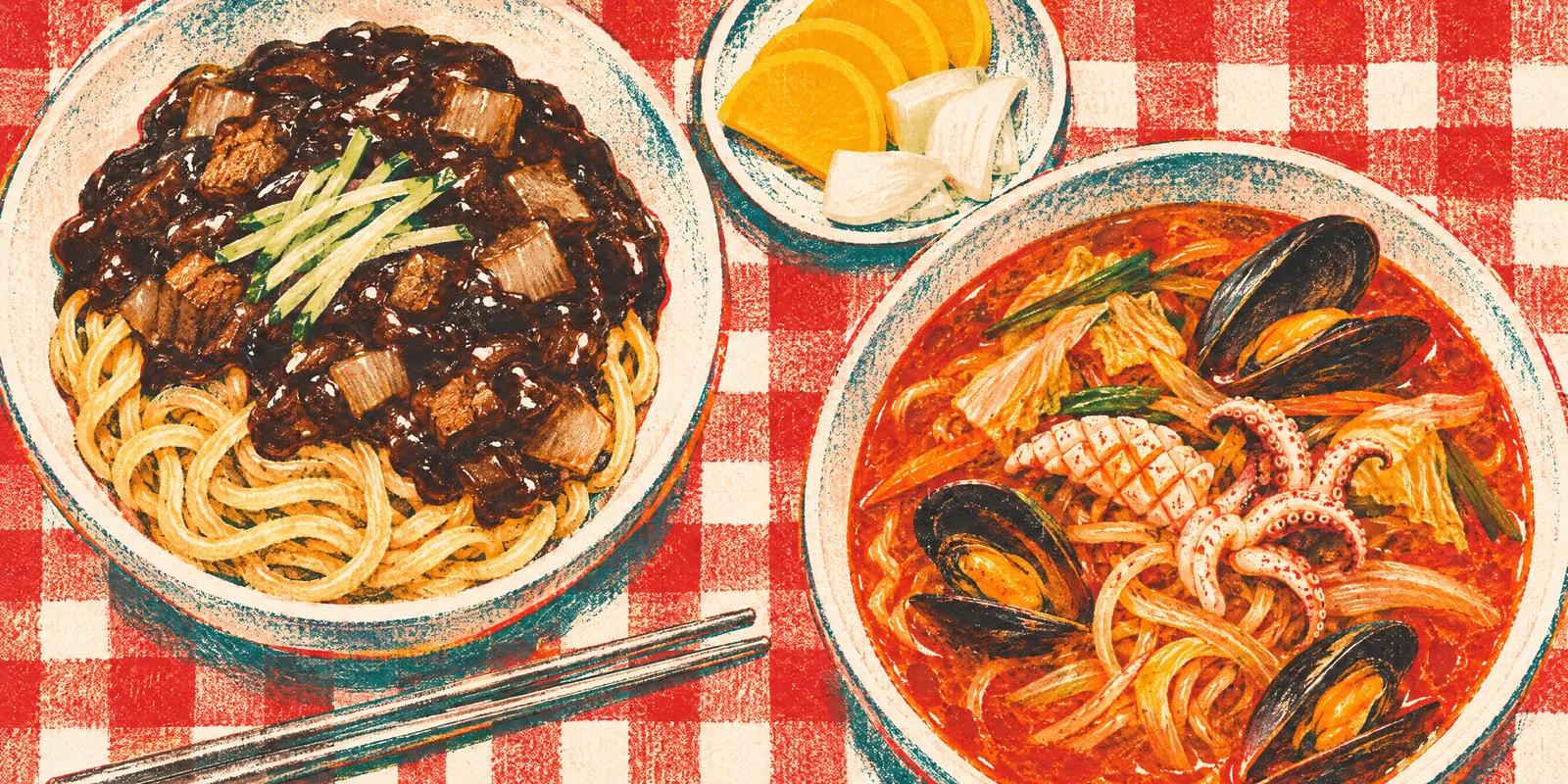
Images. The cover, listing and homepage images are AI illustrations (generated with Higgsfield, GPT Image 2.6): a bowl of jjajangmyeon with black-bean sauce and a bowl of red jjamppong on a red-checked table; a delivery worker's metal box (철가방) on a counter beside chopsticks; and the glowing front of an old Chinese restaurant at night, with no lettering. They depict no real restaurant or person. None of the eight houses publishes its own food photos on a website or Instagram we could confirm, and we use only photos a venue published itself.
Sources. Heritage and awards: Seoul Media Hub's Future Heritage table (2021) and a 2017 column, Seoul's 오래가게 list (via 조선일보, 2024), the 2026 서울미식 100선, and the Michelin Guide Seoul & Busan 2026. Restaurant coverage: 중앙일보, 주간조선, 트래비, 이뉴스투데이 (Siksin column), 동행미디어, 연합뉴스TV, 스포츠동아, 이데일리, 투어코리아, 비즈니스워치 and NewsClaim. History: 중앙일보, 경인일보 and 한겨레. Prices: Kakao Map menus on the dates given, and 참가격 (price.go.kr) for the Seoul average.
Stated rather than smoothed. Founding years disagree across sources for 안동장, 동흥관, 명화원 and 옛날중국집, so we print only 진아춘's 1925, which two sources support. 안동장's invention of the oyster jjamppong is the house's own claim, from one source. Kakao Map prices may have changed since we saw them, and 진아춘's are from February 2025. The 참가격 figures are provisional. The 공화춘 origin of jjajangmyeon is contested, and we give no founding date for it. We left out closing days that only Kakao Map shows. We also left out 계향각 and 도량, which list no jjajangmyeon or jjamppong, and 동해루, 효동각, 동해반점, 중화원 and 차이나타운, which we could confirm in one source or less, and 신성각, which had no 2026 coverage.
Keep Reading
More Stories
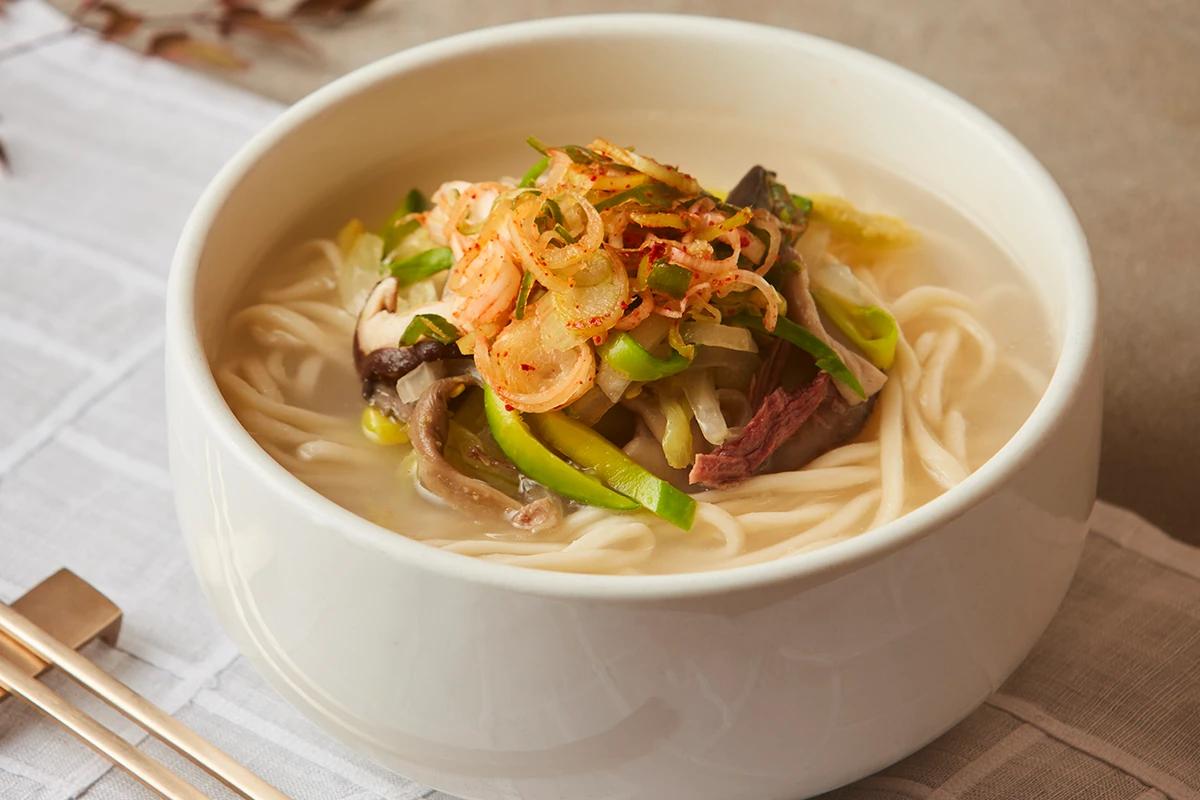
The 8 Best Kalguksu (Knife-Cut Noodle Soup) in Seoul, Honestly
Two Bib Gourmand houses, a 서울미식 100선 pick, a market stall and a 1960s seafood shop. Eight places for kalguksu (칼국수, hand-cut noodle soup) in Seoul, what to order, what the 2026 prices look like, and the sujebi shop we kept out of the ranking.
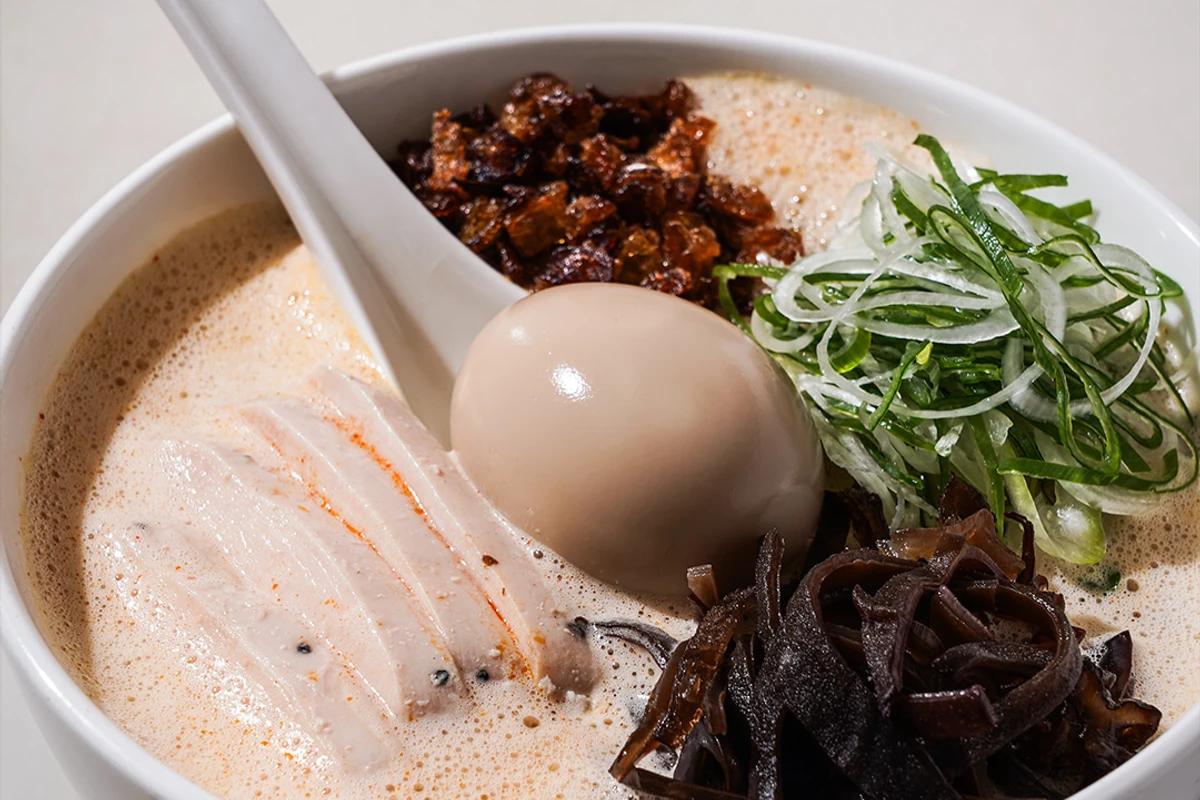
The 8 Best Ramen in Seoul, Honestly: Japanese-Style Bowls, From Hapjeong to Myeongdong
Eight Seoul shops for Japanese-style ramen, not Korean instant ramyeon: four 2026 Bib Gourmands, a former Bib in Myeongdong, and three west-Seoul favourites. What to order at each, with sourced prices, plus two alternates for a long queue.
The 8 Best Bakeries in Seoul, Honestly: From a 1946 Bakery's Red-Bean Bun to Mangwon's Green-Onion Bread
Korea has a word for travelling across a city for bread. Here are eight Seoul bakeries worth the trip, chosen from the Blue Ribbon Survey, the city's own new Cafe & Dessert 50 and the press, and one famous name we leave off.
The Weekly Dispatch
Korea, curated. Every week.
The best of K-culture, straight from Seoul. Written by people who actually live here.
Free, no spam, unsubscribe whenever.