NewJeans vs HYBE: How K-Pop's Biggest Rebellion Ended in a Courtroom
Five young women, backed by their star producer, tried to walk out on the most powerful company in K-pop — declaring their contracts void and rebranding overnight. A Seoul court said no. The most-watched test of idol autonomy in the streaming era ended not with a breakaway but a court-ordered return, and it answered a blunt question: inside the world's most successful pop-export machine, who actually holds the power — the idol, or the agency?

In November 2024, at a hastily arranged press conference, the five members of NewJeans — one of the biggest girl groups in the world — announced they were tearing up their contracts and walking away from ADOR, the label inside HYBE, the company that made them. It was the most dramatic act of idol defiance K-pop had ever seen: young stars, at their commercial peak, publicly refusing the machine that built them.
Eighteen months later, a Seoul court had given its answer, and it was not the one the members' fans hoped for. The contracts, the court found, remain valid through 2029. The rebellion was over — not in a breakaway, but in a reluctant, court-ordered return. To understand why it matters far beyond one group, you have to understand how the K-pop "idol factory" works, and what this case established about who really owns a Korean pop star's career.
(A note on framing: this is a live, still-moving legal dispute. Throughout, court outcomes are described as reported; the members' allegations of mistreatment — which the courts and labor authorities did not uphold — are described as allegations, and HYBE/ADOR's position is included.)
The Idol-Factory, Explained
Start with the model, because it's the whole story. A Korean management agency — a 소속사 (sosokssa) — scouts performers young, often as minors, and spends years and enormous sums training them before they ever debut. In exchange, the idol signs an exclusive contract (전속계약) that hands the company control over music, image, schedule, and the lion's share of early earnings. The bargain: the company fronts the risk and takes the control; the idol gets a shot at global fame.
That trade-off has produced spectacular success — and recurring revolts by artists who feel they've become powerless inside it. Korea has been here before: in 2009, members of the group TVXQ sued their label over a 13-year deal so onerous the press called it a "slave contract" (노예계약), and the Fair Trade Commission responded in July 2009 with a standard contract template recommending a seven-year ceiling on exclusive deals (FTC standard contract, via 정책브리핑). That is a recommendation, not a statutory cap — English sources routinely upgrade it to a law that does not exist. NewJeans' seven-year deal, running to 2029, sits squarely inside that post-TVXQ system. Their fight was the streaming era's restaging of that old war.
How It Started: A Boardroom War
The rupture didn't begin with the members at all. It began with a corporate power struggle. ADOR is the HYBE sub-label built around the star producer Min Hee-jin (민희진), who held a minority stake while HYBE owned 80% (CNBC, Forbes). In April 2024, HYBE launched an audit of ADOR, alleging Min had schemed to seize control of the sub-label; Min denied it and counter-alleged that HYBE had copied NewJeans' concept for another group. These were competing accusations, not findings. HYBE moved to remove Min; a court initially blocked the firing; and by August 2024 Min had stepped down as CEO (Billboard).
NewJeans sided with Min — the producer they credited for their identity — and demanded her reinstatement. When it didn't come, they escalated.
The Members' Case — and Its Limits
The members' grievance wasn't only about Min. In October 2024, member Hanni testified at a National Assembly hearing that she believed the company disliked the group, alleging a manager had told others to ignore them (Korea Times). But a month later, the Labor Ministry declined to act on a workplace-harassment petition — on the grounds that an idol under a management contract isn't legally a "worker" under the Labor Standards Act, so the harassment law didn't apply. Crucially, that was a ruling about legal categories, not a finding that the incident did or didn't happen (Korea Herald).
That distinction — feeling wronged versus proving a contract-breaking wrong — would define everything that followed.
NJZ and the Injunction
In November 2024, NewJeans declared their contracts terminated, arguing it was ADOR and HYBE who had breached first. In early 2025 they rebranded as NJZ and performed new music at ComplexCon in Hong Kong (SCMP). For a moment, it looked like a clean break was possible.
Then the courts closed it down. In March 2025, a Seoul court granted ADOR an injunction barring the members from independent music and endorsement activity, and their objection was dismissed weeks later (The FADER). In May, the court added teeth: a penalty of 1 billion won (around $700,000) per member, per violation, for performing without ADOR's approval (Korea Times). The breakaway was frozen mid-stride.
The Verdict: The Contract Holds
The decisive ruling came on October 30, 2025. A Seoul court found the exclusive contracts valid through 2029, ruling that the members had insufficient grounds to terminate — that Min Hee-jin's removal and the alleged failures to protect them did not amount to a breach that would let them walk (Korea Herald, CNBC). Investors registered the verdict instantly: HYBE's market value jumped by roughly $640 million (Forbes). The members did not appeal by the deadline, finalizing the decision.
HYBE and ADOR, for their part, had maintained throughout that the contracts were valid and that they supported the group, urging fans to avoid "unfounded speculation" and saying comeback preparations were complete; the company's throughline has been that Min Hee-jin engineered the split — an argument ADOR pressed again in fresh court filings in July 2026 (Music Business Worldwide).
What It Means: Autonomy vs. the Machine
The aftermath is messy and still unfolding. Three members — Haerin, Hyein, and Hanni — returned to ADOR in late 2025 (Korea Herald). But Danielle did not simply leave: ADOR terminated her contract in December 2025 and filed suit against her, a family member, and Min Hee-jin for roughly 43 billion won (about $31 million), alleging they helped trigger and prolong the dispute — an allegation in a pending case, not a proven fact (Korea Times). Minji's situation remained unresolved as of mid-2026 (Korea Herald). A comeback — likely three or four members — has been signaled but not dated. (This part moves week to week; treat the lineup as a snapshot.)
Strip away the specifics and the precedent is stark. Feeling mistreated, losing the executive you trusted, and enjoying enormous public sympathy are not, by themselves, legal grounds to break an exclusive contract in Korea. The idol factory, tested by its most famous rebels, held. For an industry the whole world now consumes, the NewJeans case answered the quiet question under all the music: when a Korean pop star and the company that made them go to war, the machine still tends to win.
This is an active dispute; member status, comeback plans and pending lawsuits are as of mid-2026 and continue to change. Court rulings are described as reported; the members' allegations were not upheld by the courts or labor authorities and are described as allegations; HYBE/ADOR's stated position is included.
Cover: a concert crowd — photo by Pixabay, Pexels (Pexels License). Listing card: NewJeans at a September 2023 photocall — photo by 티비텐 TV10, Wikimedia Commons, CC BY 3.0. Homepage/hero: the Gangnam district, Seoul — photo by ☺Yoshi☻, Wikimedia Commons, CC BY 2.0. The cover and hero images are illustrative.


Keep Reading
More Stories
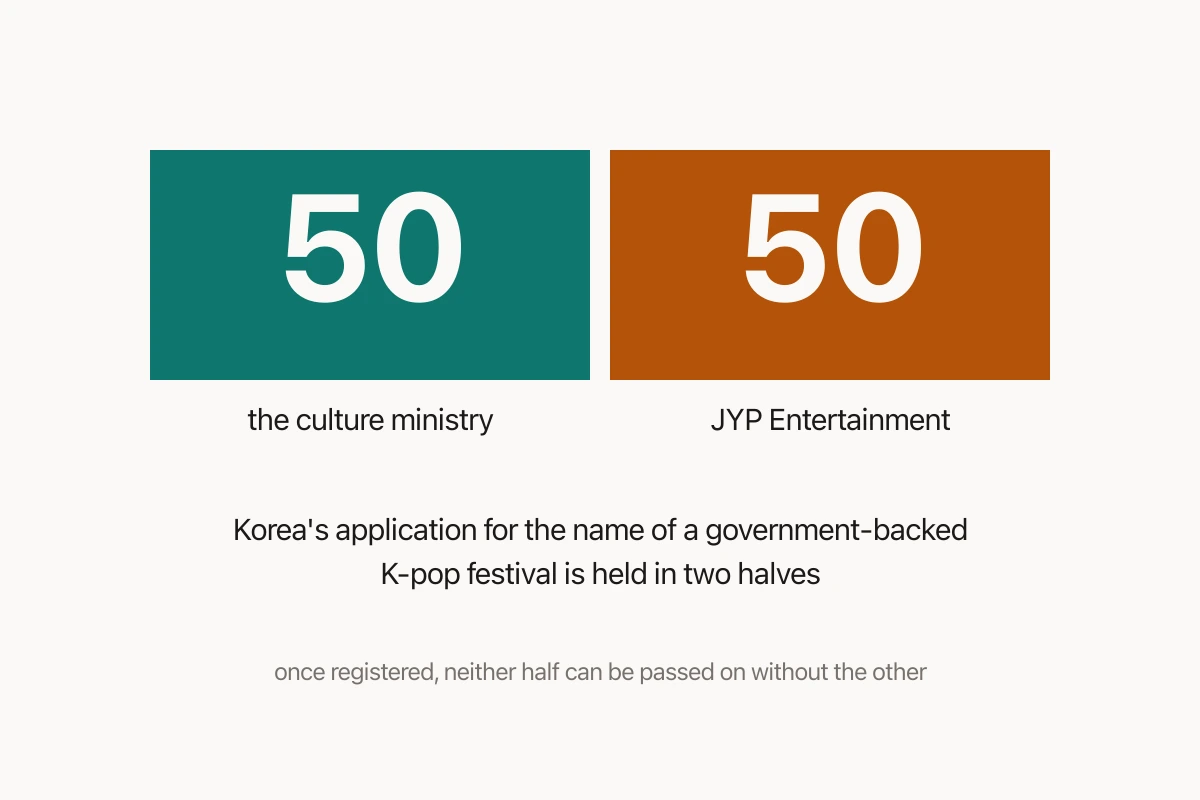
The Government's Giant K-pop Festival Has a Name. Half of It Belongs to JYP — and the Contract Was Too Secret for the Committee Chair to See
FANOMENON is meant to be Korea's state-backed answer to the world's pop festivals, planned for December 2027 by a presidential committee co-chaired by 박진영. His company filed the trademark first. On 7 October, at the National Assembly, a lawmaker put the contract on the big screen, the chair halted the audit, and 박진영 conceded that the way the name was taken was 'not normal'.
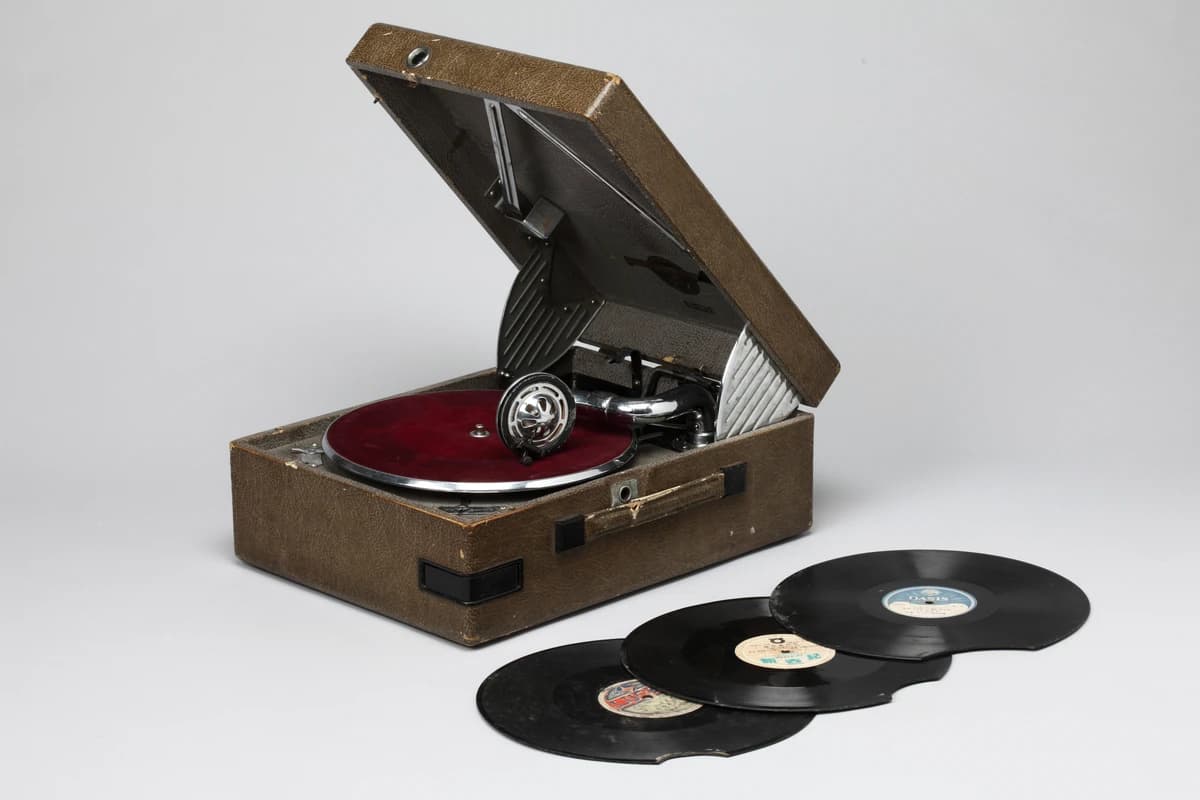
Korea's Most-Streamed Artist Sings a Genre the Country Banned for Two Decades
In 1935 a Korean record company slipped an anti-Japanese line past the colonial censors by submitting it as nonsense that sounded identical when sung. Thirty years later the Korean state banned the same genre for sounding Japanese — using a broadcasters' agreement, a ministry policy measure and three committees, but never once a law. The genre is called trot, and English writing about Korean music has essentially never mentioned it.
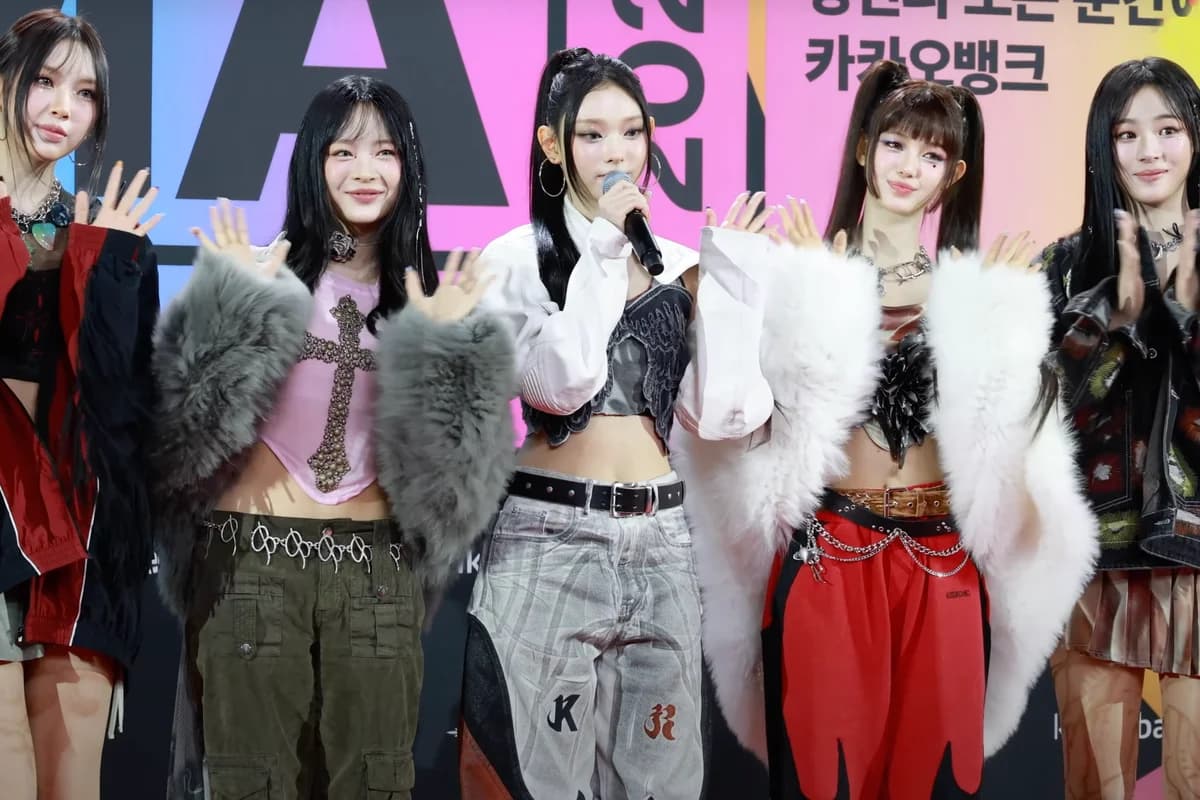
NewJeans Is Back — as Four. The Whole ADOR Saga, Explained.
On their fourth anniversary, NewJeans returned in a teaser — as a four-member group, at the very label they spent a year trying to leave, and without founding member Danielle. It's not a victory lap. It's the end of K-pop's biggest idol-versus-agency war, decided by a court. Here's the whole fight, and why the law made it end this way.
The Weekly Dispatch
Korea, curated. Every week.
The best of K-culture, straight from Seoul. Written by people who actually live here.
Free, no spam, unsubscribe whenever.