BTS Plays the World Cup Final: The Band That 'Died' for the Draft Takes the Biggest Stage on Earth
On July 19, at MetLife Stadium, seven Korean men will walk out to perform at the first-ever halftime show of a FIFA World Cup Final — the most-watched sporting event on the planet. It is the improbable capstone of a six-year story: a boy band the Korean state once treated as a draft-dodging headache, conscripted one by one, reunited, and re-exported as the country's single most valuable piece of soft power. Here's how BTS got from the barracks to the biggest stage on Earth.
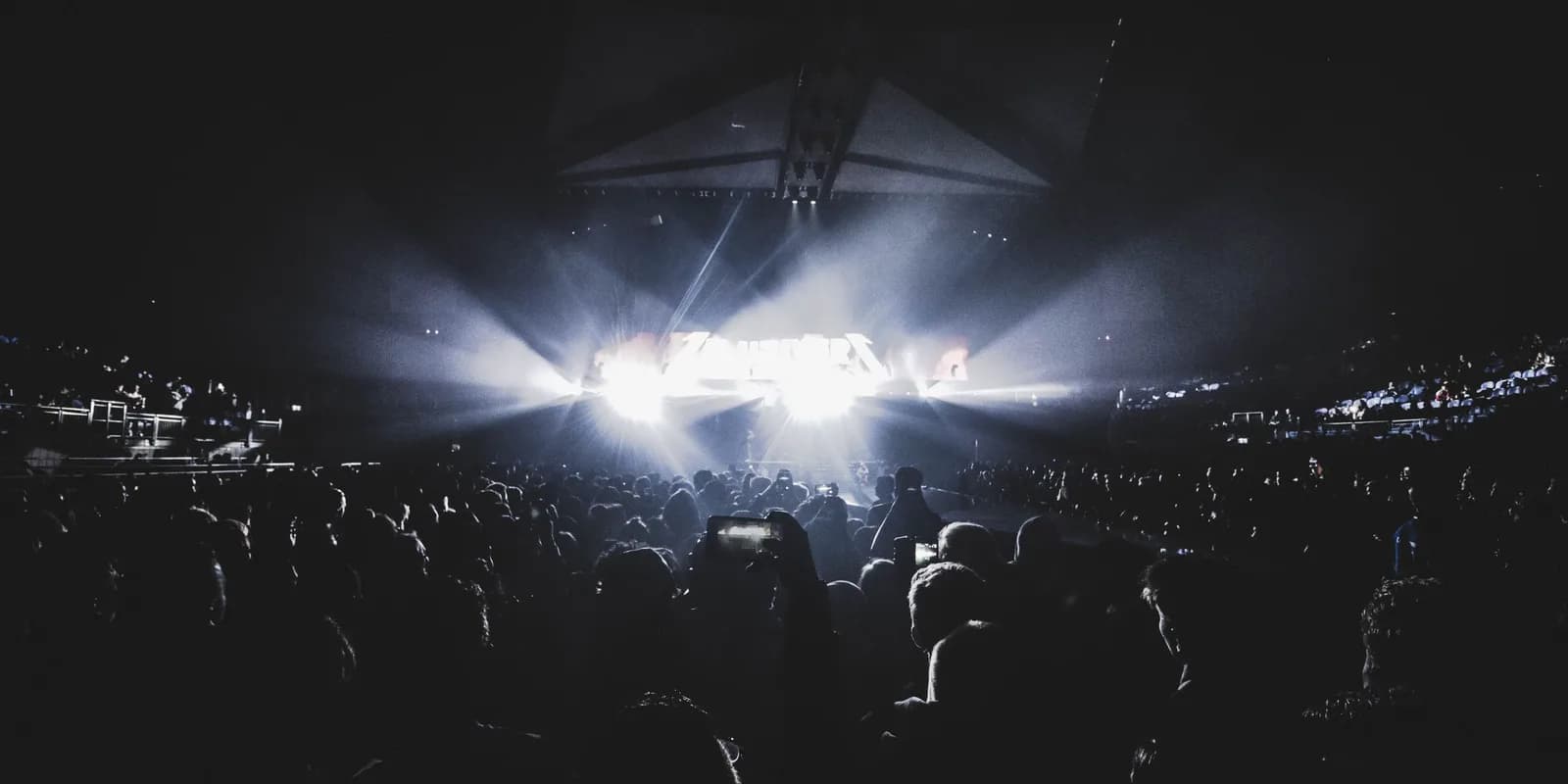
On July 19, 2026, at MetLife Stadium just outside New York, the FIFA World Cup Final will pause at halftime for a performance that has never happened before in the tournament's history — and three of the biggest names in music will headline it: Madonna, Shakira, and BTS. For the seven-member Korean group, walking onto that stage is not just a career high. It's the punchline to a question the world has been asking for years: can a K-pop group survive mandatory military service?
The answer, delivered on the largest stage sport has to offer, is yes — emphatically. But the more interesting story is how Korea's relationship with its own biggest export flipped in the process: from a state that treated idol superstars as a conscription problem to be managed, to one that showcases them as a national asset to be exported. BTS didn't just come back. They came back as soft power incorporated.
The Draft That Was Supposed to End Them
To understand why the reunion matters, you have to understand the draft. Every able-bodied South Korean man must serve roughly 18 months in the military — a non-negotiable duty rooted in the still-unfinished war with the North. For years, the looming question over BTS was what would happen when its members hit enlistment age at the height of their global fame.
Korea actually changed a law over it. In December 2020, the National Assembly amended the Military Service Act — the so-called "BTS law" — to let elite pop artists recommended by the culture minister postpone enlistment until 30 (Rolling Stone, Al Jazeera). But — and this is the crucial point critics sometimes miss — a deferral is not an exemption. The law bought time; it did not buy a way out. When the moment came, all seven served.
Gone, One by One
So between 2022 and 2025, the biggest band in the world quietly disappeared into the barracks. Jin, the eldest, was discharged first, in June 2024. J-Hope followed in October 2024. RM and V were released on June 10, 2025; Jimin and Jungkook the next day; and Suga, who served as a social-service agent under the alternative-service system, completed his duty last, in mid-2025 — the moment the group was finally whole again (Today, ABC7).
For a genre built on relentless output, an 18-month-per-member gap was an eternity — long enough for the industry to wonder whether the machine could restart. It could.
ARIRANG: The Numbers Got Ridiculous
The comeback album landed on March 20, 2026, and Korea wrapped it in national identity: it's called ARIRANG, after the country's most beloved folk song — its unofficial anthem. Then the numbers arrived, and they were absurd.
ARIRANG debuted at No. 1 on the Billboard 200 — BTS's seventh chart-topping album — and did it with about 641,000 equivalent album units in its first week, the biggest week by units for any group since Billboard began measuring that way in 2014 (Billboard, Hollywood Reporter). It held the top spot for at least three straight weeks (Variety). The lead single, "Swim," entered the Hot 100 at No. 1 — BTS's seventh career chart-topper there (Hollywood Reporter). (It's worth being precise about the records: these are group-scoped and era-scoped superlatives — "biggest since 2014," "seventh No. 1" — not vague "biggest ever" claims. They're staggering enough without inflation.) A months-long world tour followed.
The Halftime Slot
Which brings us back to July 19. FIFA confirmed that the 2026 World Cup Final would feature the first halftime show in the history of a World Cup final, headlined by Madonna, Shakira, and BTS, curated by Coldplay's Chris Martin (FIFA, CNN). The show is produced by the anti-poverty organization Global Citizen and tied to a charitable education fund — so it's worth resisting the pure "commercial coronation" reading; it's a benefit performance as much as a flex (FIFA).
Still, the symbolism is enormous. The World Cup Final is routinely the single most-watched event on Earth, and a Korean act will be co-headlining its debut halftime show — staged in the United States, the market K-pop spent a decade trying to crack. For a group that four years ago was filing enlistment paperwork, it is a staggering place to land.
Soft Power, Incorporated
Here's the part that makes this a Korea story and not just a music story. The same state that once wrestled with what to do about BTS and the draft now treats the group as a strategic asset — a projection of national brand as deliberate as any trade mission. BTS's label, HYBE, industrialized K-pop into a global business (the family-controlled Korean corporate empire has an entertainment-sector cousin), and the government has learned that a boy band can do for Korea's image what no embassy can.
The irony is almost too neat. The country conscripted them because the law makes no exceptions — and then, the moment they were free, put them on the biggest stage in the world as evidence of what Korea makes. Idols as national infrastructure, right alongside the chips and the cars.
The Bigger Question
So: did K-pop survive the draft? On the evidence of ARIRANG's numbers and a World Cup Final halftime slot, spectacularly. But the honest reading is subtler. BTS survived because they were already the biggest group on the planet, with a fandom (the ARMY, 아미) patient enough to wait two years. Whether the model survives — whether the next group can pause at its peak for mandatory service and come back intact — is a question every Korean agency is still nervously watching, and one the industry's own contract battles keep complicating.
What's not in doubt is the symbolism of July 19. A country that spent its modern history anxious about being small, dependent, and overlooked will watch seven of its own stand at the center of the world's largest stage — not despite having served their time, but having served it and returned. For Korea, that's not just a concert. It's a victory lap.
Chart figures, tour details and the halftime lineup are as of mid-2026 and may shift before game day; records are quoted with their exact scope. Discharge dates are as reported.
Cover: a stadium concert crowd — photo by Jack Gittoes, Pexels (Pexels License). Listing card: President Joe Biden and BTS at the White House, May 31, 2022 — The White House, Wikimedia Commons (public domain). Homepage/hero: MetLife Stadium, the July 19 final venue — photo by Kenneth C. Zirkel, Wikimedia Commons, CC BY-SA 4.0. Images are illustrative; no BTS promotional photos are used.


Keep Reading
More Stories
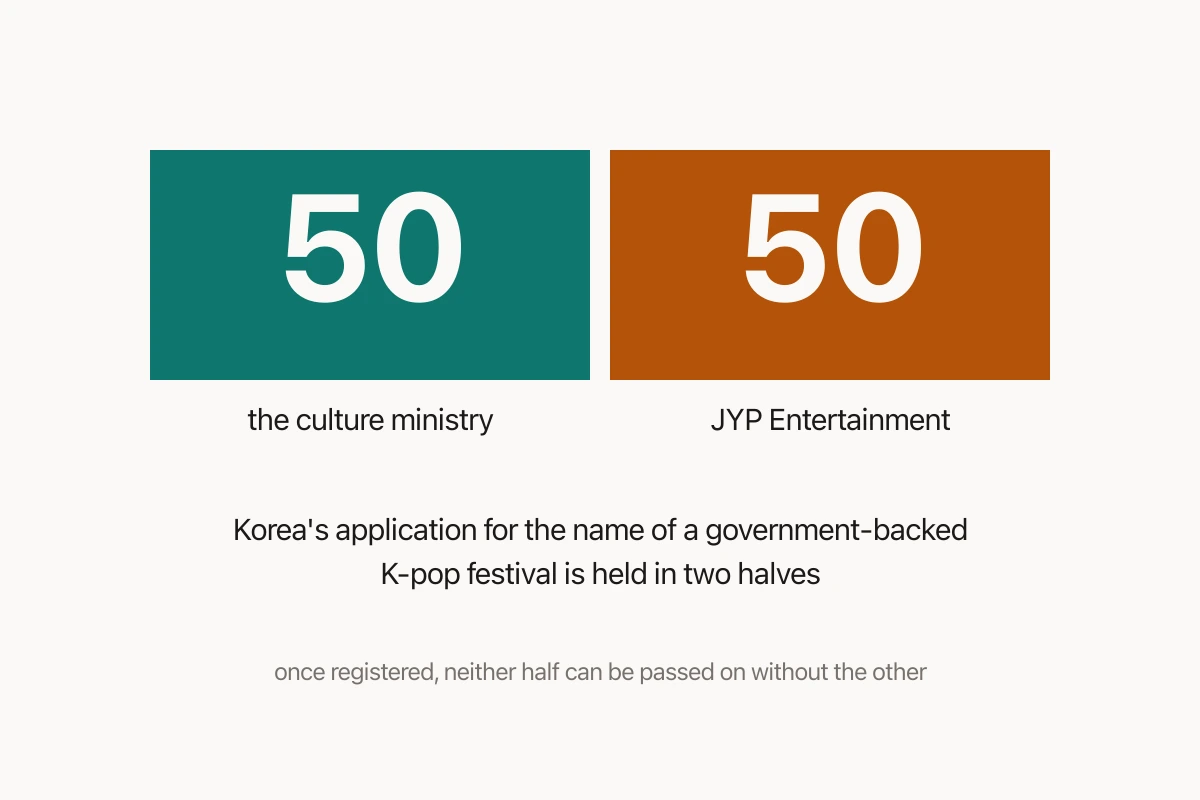
The Government's Giant K-pop Festival Has a Name. Half of It Belongs to JYP — and the Contract Was Too Secret for the Committee Chair to See
FANOMENON is meant to be Korea's state-backed answer to the world's pop festivals, planned for December 2027 by a presidential committee co-chaired by 박진영. His company filed the trademark first. On 7 October, at the National Assembly, a lawmaker put the contract on the big screen, the chair halted the audit, and 박진영 conceded that the way the name was taken was 'not normal'.
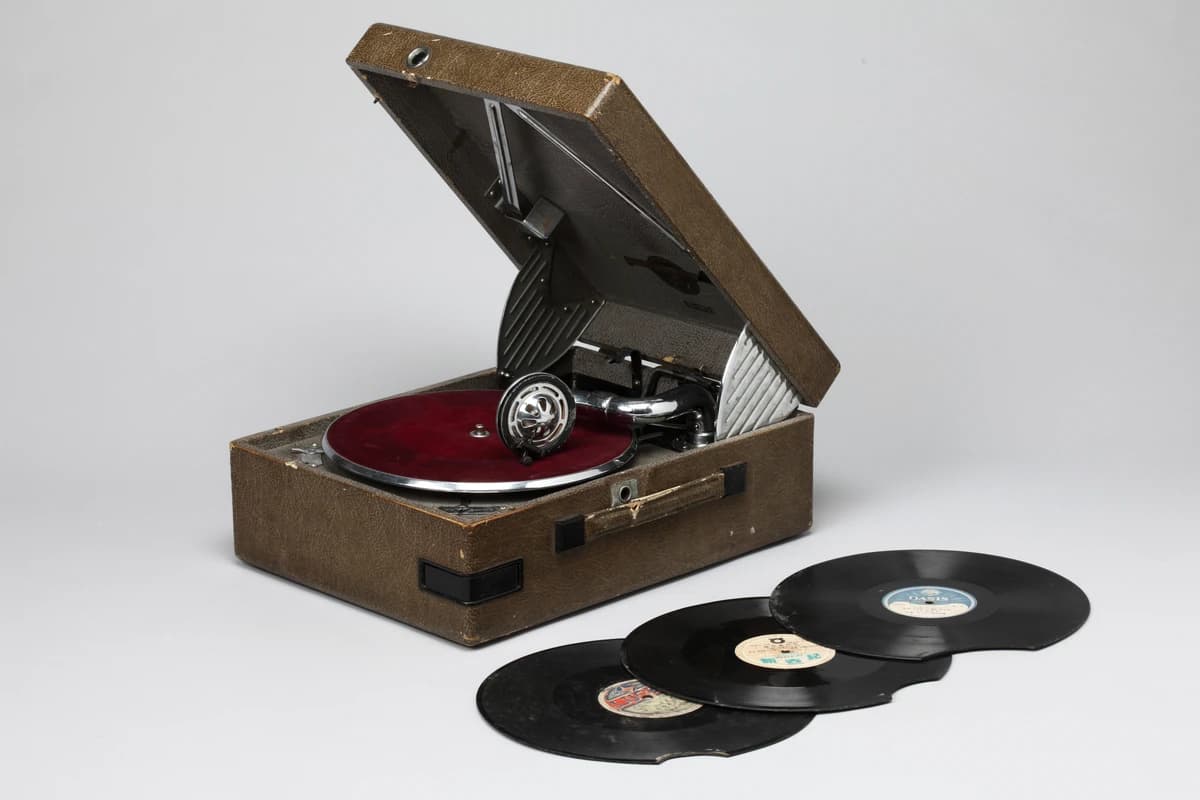
Korea's Most-Streamed Artist Sings a Genre the Country Banned for Two Decades
In 1935 a Korean record company slipped an anti-Japanese line past the colonial censors by submitting it as nonsense that sounded identical when sung. Thirty years later the Korean state banned the same genre for sounding Japanese — using a broadcasters' agreement, a ministry policy measure and three committees, but never once a law. The genre is called trot, and English writing about Korean music has essentially never mentioned it.
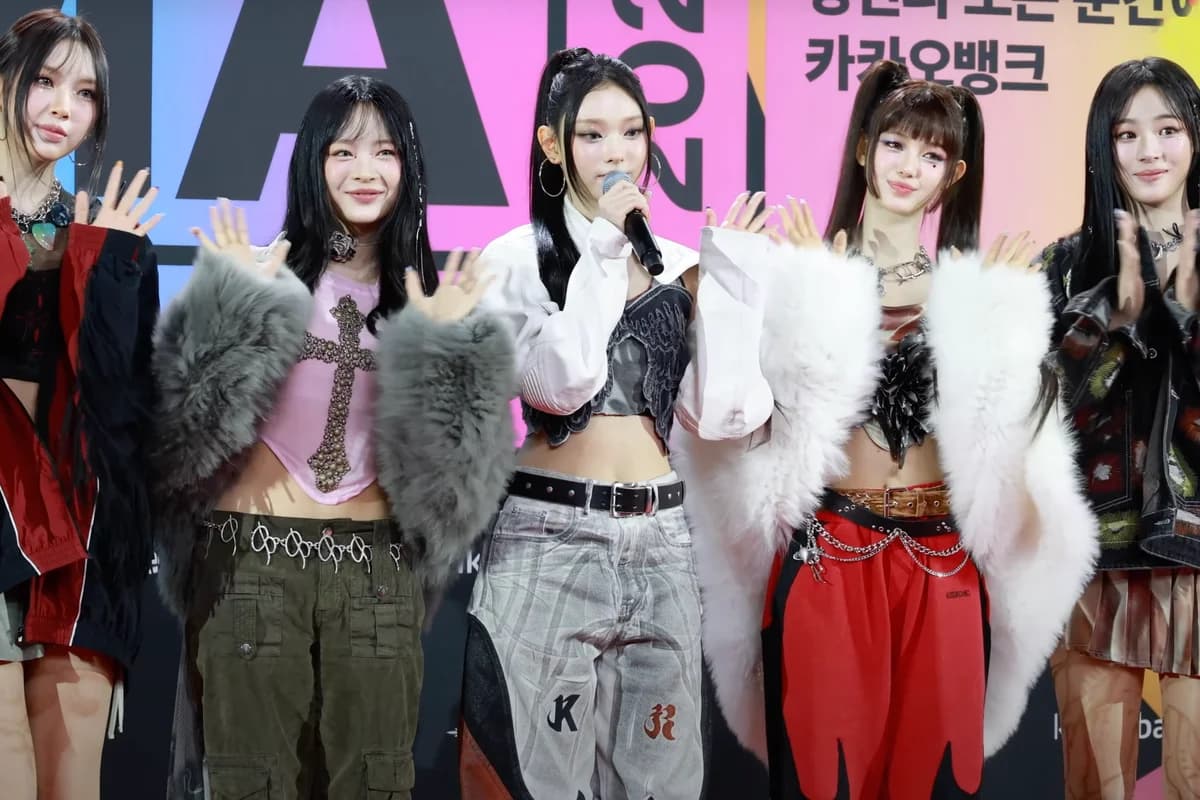
NewJeans Is Back — as Four. The Whole ADOR Saga, Explained.
On their fourth anniversary, NewJeans returned in a teaser — as a four-member group, at the very label they spent a year trying to leave, and without founding member Danielle. It's not a victory lap. It's the end of K-pop's biggest idol-versus-agency war, decided by a court. Here's the whole fight, and why the law made it end this way.
The Weekly Dispatch
Korea, curated. Every week.
The best of K-culture, straight from Seoul. Written by people who actually live here.
Free, no spam, unsubscribe whenever.