Korea on a Budget — How to Travel Cheap Without Missing Anything
Seoul for $50 a day is not only possible, it's comfortable. Here's the local playbook.
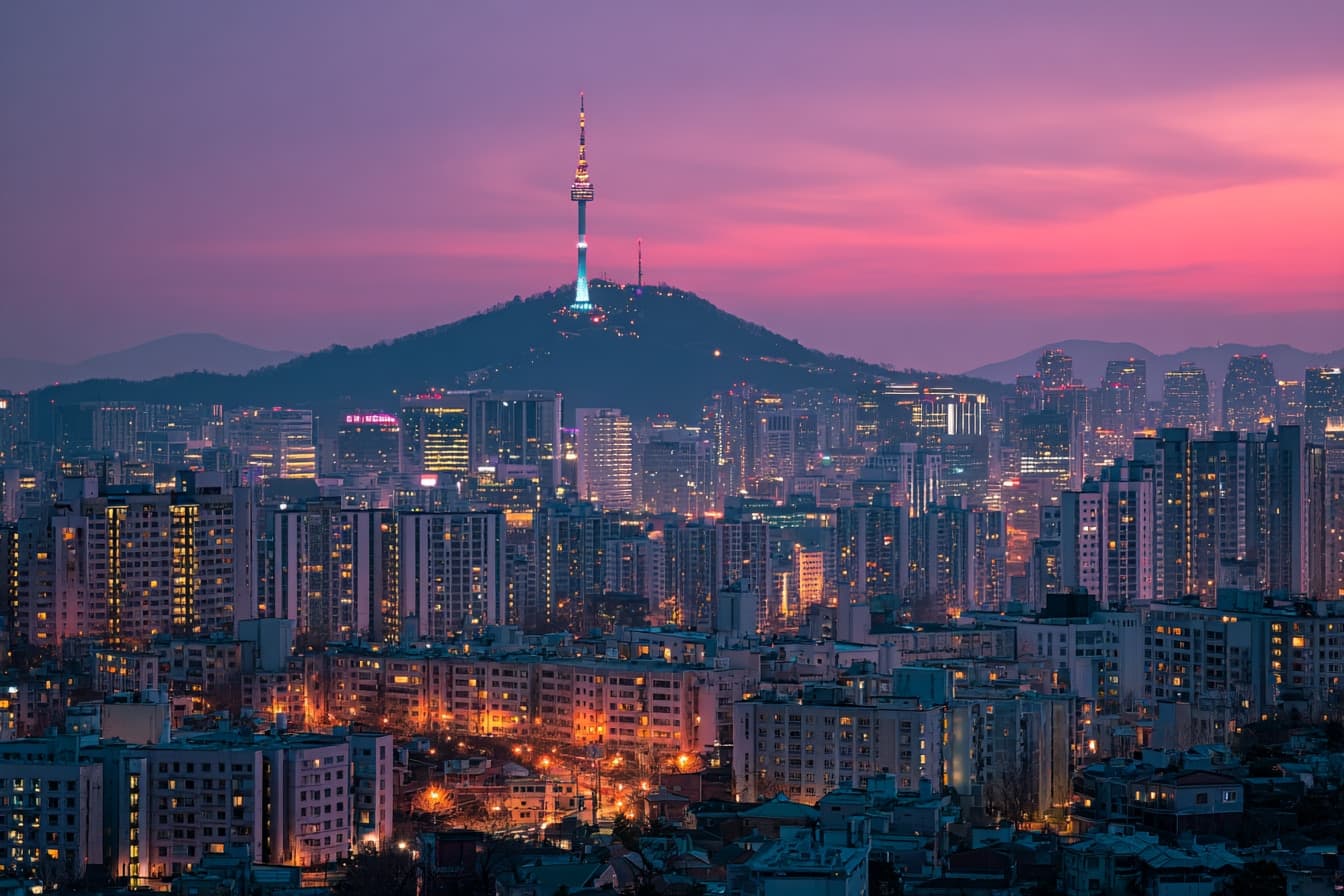
Korea has a reputation for being expensive. It's not. That reputation comes from people who eat in Itaewon, stay in Myeongdong hotels, and take taxis everywhere. Locals don't do any of that.
The truth is that Korea is one of the best-value travel destinations in Asia — better than Japan for budget travelers, comparable to Taiwan, and vastly cheaper than Singapore or Hong Kong. You just need to know where the value is.
Here's how to do Korea comfortably on $50-70 per day, or $30-40 if you're really stretching.
Getting Around: $0-5/Day
The T-money Card
Buy a T-money card at any convenience store (3,000 won / ~$2.25 one-time cost) and load it with cash. This card works on every bus, subway, and even most taxis in the country. It also gets you a discount on transfers.
Seoul Subway
The Seoul subway system is one of the best in the world. Clean, safe, runs until midnight, covers the entire metropolitan area, and costs 1,550 won (~$1.20) per ride. You can get anywhere in Seoul for under $3 in transport per day.
Pro tip: Lines 1 through 9 connect to virtually everything a tourist needs. Download Naver Map (not Google Maps — it's unreliable in Korea) and use the transit directions.
Between Cities
- KTX (bullet train): Seoul to Busan in 2.5 hours. Costs 59,800 won (~$45) one-way. Book on the Korail app.
- Express buses: Half the price of KTX. Seoul to Busan for
25,000 won ($19). Comfortable, Wi-Fi onboard, departures every 15-30 minutes from Express Bus Terminal. - Budget hack: The "Mugunghwa" slow train takes 5-6 hours to Busan but costs only 28,600 won (~$22). Same tracks, same scenery, more time to enjoy it.
Skip Taxis (Mostly)
Taxis in Korea are cheap by global standards (base fare 4,800 won / ~$3.60) but add up fast. The subway is almost always faster during rush hour anyway. Exception: late night after midnight when subways stop — split a taxi with friends.
Accommodation: $15-35/Night
Guesthouses and Hostels
Seoul has excellent guesthouses in every major neighborhood. Expect clean rooms, free Wi-Fi, often free breakfast, and staff who speak English.
Budget range:
- Dorm bed: 15,000-25,000 won ($11-19)
- Private room: 35,000-55,000 won ($26-42)
Best neighborhoods for budget stays:
- Hongdae — best nightlife, youngest vibe, most hostels
- Jongno / Insadong — traditional area, near palaces, quieter
- Mapo — between Hongdae and city center, underrated value
- Dongdaemun — near markets, great late-night food, fewer tourists
Book on: Booking.com or Agoda for international travelers. For more local options, check Naver Hotel or Yanolja.
Jimjilbang (Korean Sauna/Spa): The $10 Hotel Hack
Every jimjilbang charges 12,000-15,000 won ($9-11) for entry, and you can stay overnight. You get a hot bath, sauna, sleeping mat in a heated common room, and usually a small restaurant inside. Ignore any guide that sends you to Dragon Hill Spa in Yongsan or Siloam near Seoul Station — both have permanently closed, and stale listings still recommend them. Sparex Dongdaemun is the reliable 24-hour option; otherwise any neighbourhood jjimjilbang with the ♨ symbol. Details in our first-timer's jjimjilbang guide.
It's not luxury. It's an experience. And it saves you one night's accommodation.
Food: $10-20/Day
This is where Korea demolishes other countries on value. You can eat extremely well for very little money.
Korean Restaurants
Most Korean restaurants serve meals in the 7,000-10,000 won range ($5-8), and every meal comes with unlimited refillable side dishes (banchan). That's not a typo — the banchan is free and they refill it when you finish.
Best budget meals:
- Kimbap (김밥): Korean rice rolls. 3,000-4,000 won ($2-3). A full meal.
- Bibimbap (비빔밥): Rice bowl with vegetables and sauce. 7,000-9,000 won ($5-7).
- Jjigae (찌개): Stew (kimchi, soybean, or tofu). 7,000-8,000 won ($5-6). Comes with rice and banchan.
- Tteokbokki (떡볶이): Spicy rice cakes from a street stall. 3,000-5,000 won ($2-4).
- Ramyeon (라면): Instant noodles cooked at a convenience store. 1,500-2,000 won ($1-1.50).
Convenience Stores
Korean convenience stores (GS25, CU, 7-Eleven) are not like Western ones. They're legitimate meal options. Triangle kimbap (삼각김밥) for 1,000-1,500 won, cup ramyeon for 1,500 won, lunch boxes (도시락) for 3,000-4,000 won. Many have hot water dispensers and microwave stations so you can eat there.
Markets
- Gwangjang Market — the famous one. Bindaetteok (mung bean pancakes), mayak kimbap (mini rice rolls), knife-cut noodles. Most items 5,000-8,000 won.
- Tongin Market — use their "lunch box cafe" system where you buy tokens and fill a lunch box from different stalls. Fun and cheap.
- Namdaemun Market — massive traditional market with food stalls throughout.
The $1 Coffee Problem
Korean cafe culture is massive, and a latte at a chain cafe runs 4,500-5,500 won ($3.40-4.20). This adds up fast. Budget alternatives:
- Mega Coffee — Korea's fastest-growing budget cafe chain. Americano for 1,500 won ($1.10).
- Compose Coffee — similar pricing, everywhere in Seoul.
- Convenience store coffee — 1,000-1,500 won.
- Skip the Starbucks. Korea's independent cafes are better and often cheaper.
Free Things to Do (Seriously Free)
Korea has an enormous amount of world-class experiences that cost literally nothing.
Palaces
- Gyeongbokgung — 3,000 won ($2.25) entry, but free if you wear hanbok (traditional Korean clothing). You can rent hanbok near the palace for 10,000-25,000 won depending on the style and rental duration (budget options from 7,000 won for basic 2-hour rentals, premium sets up to 50,000 won).
- Changdeokgung — 3,000 won, or free on the last Wednesday of every month (Culture Day).
- Deoksugung — 1,000 won ($0.75). Basically free.
Hiking
Seoul has mountains inside the city. Bukhansan, Inwangsan, Namsan — all free, all accessible by subway. Korea's national parks (Seoraksan, Jirisan, Hallasan) are free to enter — entrance fees were eliminated years ago. You only pay for parking and specific facilities like cable cars.
Neighborhoods to Walk
- Bukchon Hanok Village — traditional Korean houses, free to walk through
- Ikseon-dong — narrow alleys with cute cafes and vintage shops
- Seongsu-dong — Seoul's "Brooklyn," warehouses turned galleries
- Mangwon — local market, young creative vibe, not touristy
Temple Stays
Korean Buddhist temples offer overnight "temple stay" programs — meditation, tea ceremony, temple food. Prices start at 50,000 won (~$38) for a full overnight experience including meals. Some temples offer free day programs.
Free Museums
- National Museum of Korea — one of the largest museums in Asia. Free.
- War Memorial of Korea — massive military history museum. Free.
- Seoul Museum of Art — depends on exhibition but often free.
The Budget Day: What $50 Actually Gets You
| Item | Cost |
|---|---|
| Guesthouse dorm | $15 |
| Breakfast (convenience store kimbap + coffee) | $2.50 |
| Subway (3-4 rides) | $4.80 |
| Lunch (bibimbap at a local restaurant) | $6 |
| Afternoon activity (palace entry + hanbok rental) | $13 |
| Dinner (jjigae + banchan) | $6 |
| Evening snack (tteokbokki from a street stall) | $3 |
| Total | $49.30 |
That's a full, comfortable, well-fed day in Seoul with a cultural activity included. Not a "survive on bread" budget — a genuinely good day.
Money Tips
- Exchange at banks, not the airport. Airport rates are 3-5% worse. Or use a Wise/Revolut travel card for near-market exchange rates.
- Cash is still useful. Markets, street food stalls, and small restaurants often don't take cards. Carry 30,000-50,000 won in cash.
- Cards accepted almost everywhere else. Korea is one of the most cashless societies in the world for regular retail.
- No tipping. Korea does not have tipping culture. Don't tip at restaurants, taxis, or hotels. It can actually confuse people.
Korea is not expensive. Korea done the tourist way is expensive — just like any country. Eat where Koreans eat, ride the subway, stay in Hongdae instead of Myeongdong, and you'll spend less per day than you would in most European capitals while eating dramatically better food.
The country is designed to be navigated cheaply. Use that design.
Keep Reading
More Stories
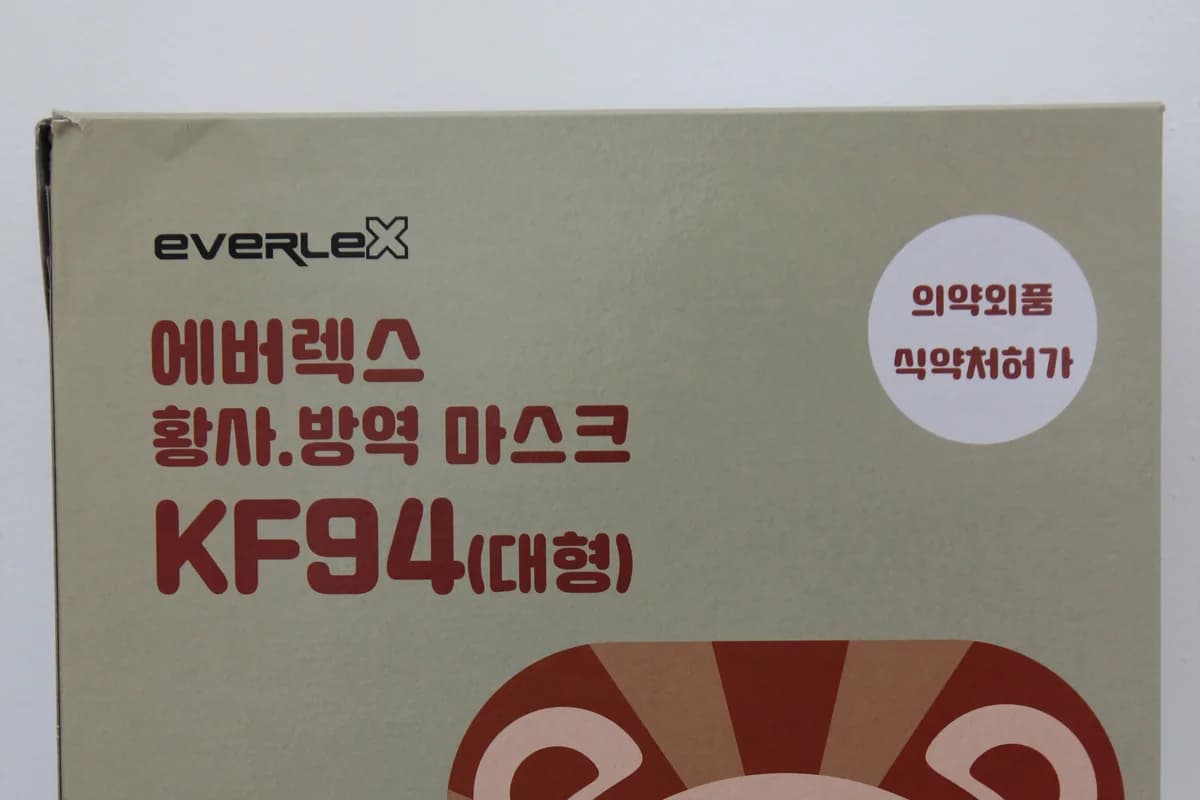
황사 Is Not 미세먼지: What Korea's Air Quality Alerts Actually Mean
English coverage treats yellow dust and fine dust as the same problem. Korea's own forecasters subtract one from the other before publishing. A guide to the two seasons, the alert thresholds, what KF94 actually certifies, and why 'it all comes from China' is a number swap.
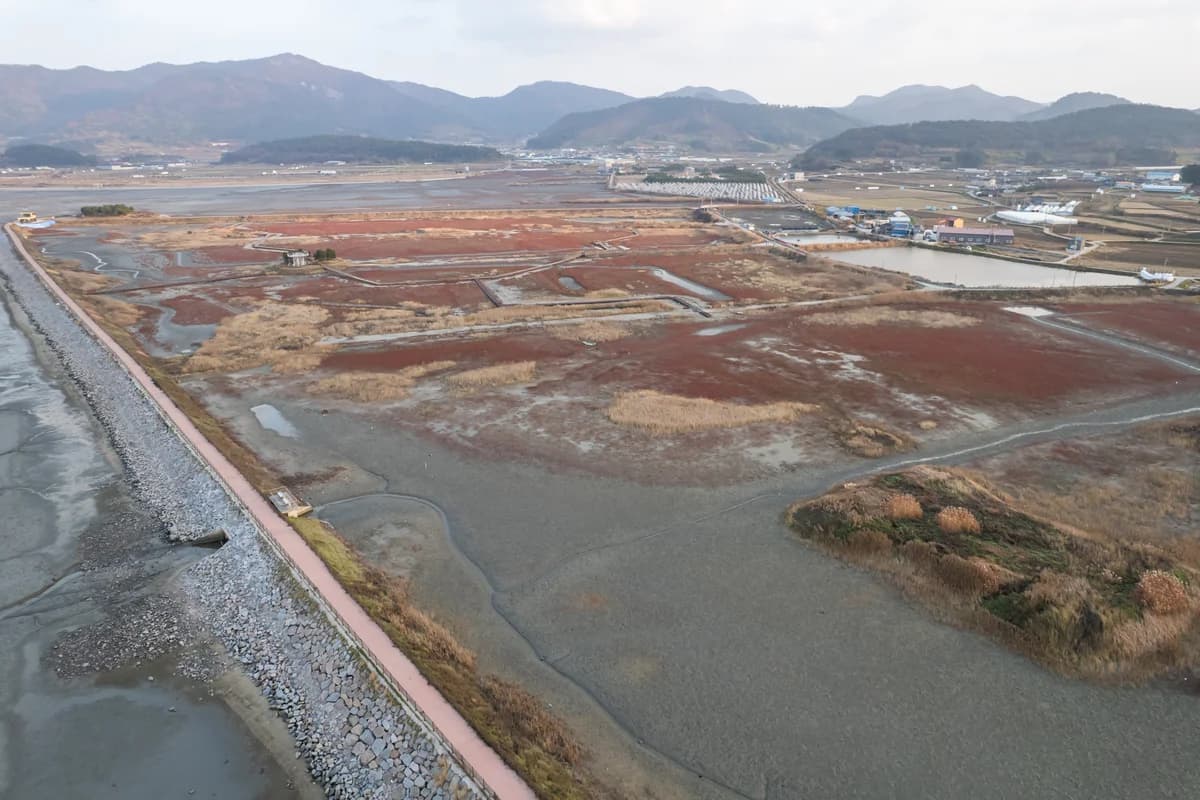
The Mud Korea Decided to Save: Getbol and the UNESCO Vote in Busan
The least Instagrammable thing Korea could nominate — a coastline of mud — is a UNESCO World Heritage site, and on July 25, 2026, in the one year Korea controlled the room, it was made bigger. A guide to getbol: the flats that feed millions of migrating birds, the women who ride wooden sleds across them, and why a country that once paved its tidal flats now enshrines them.
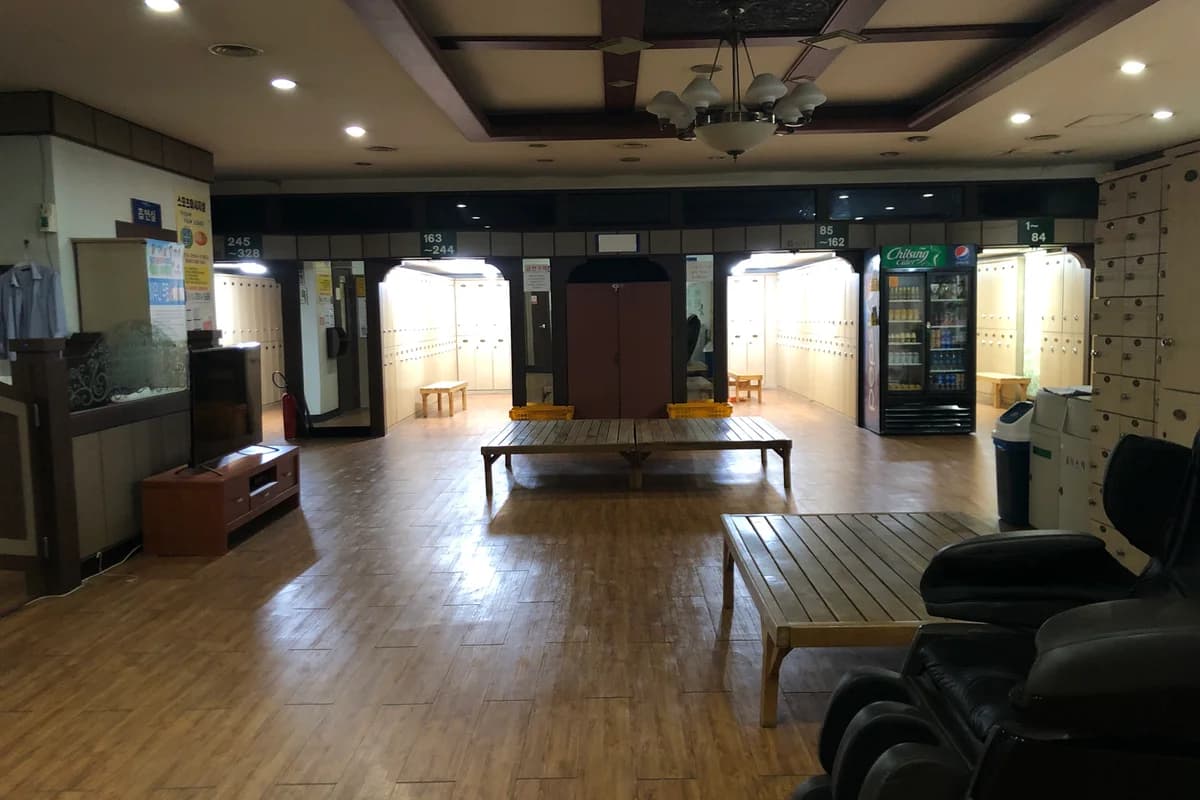
Jjimjilbang for First-Timers: How Korea's Bathhouses Actually Work
Yes, the bath part is fully nude. No, nobody cares. A step-by-step guide to the Korean spa-sauna-sleepover — the sheep-head towel, the scrub that removes a layer of you, which famous venues have quietly closed — and why the neighborhood bathhouse is disappearing even as the tourist jjimjilbang thrives.
The Weekly Dispatch
Korea, curated. Every week.
The best of K-culture, straight from Seoul. Written by people who actually live here.
Free, no spam, unsubscribe whenever.