How Old Am I in Korea? The Korean Age System, Explained
On one day in 2023, millions of South Koreans woke up a year or two younger. Here's the reason: Korea ran three different ways of counting age at once — and your Korean friend might still tell you a different number than the law does. The three systems, the math, and why age matters so much in the first place.
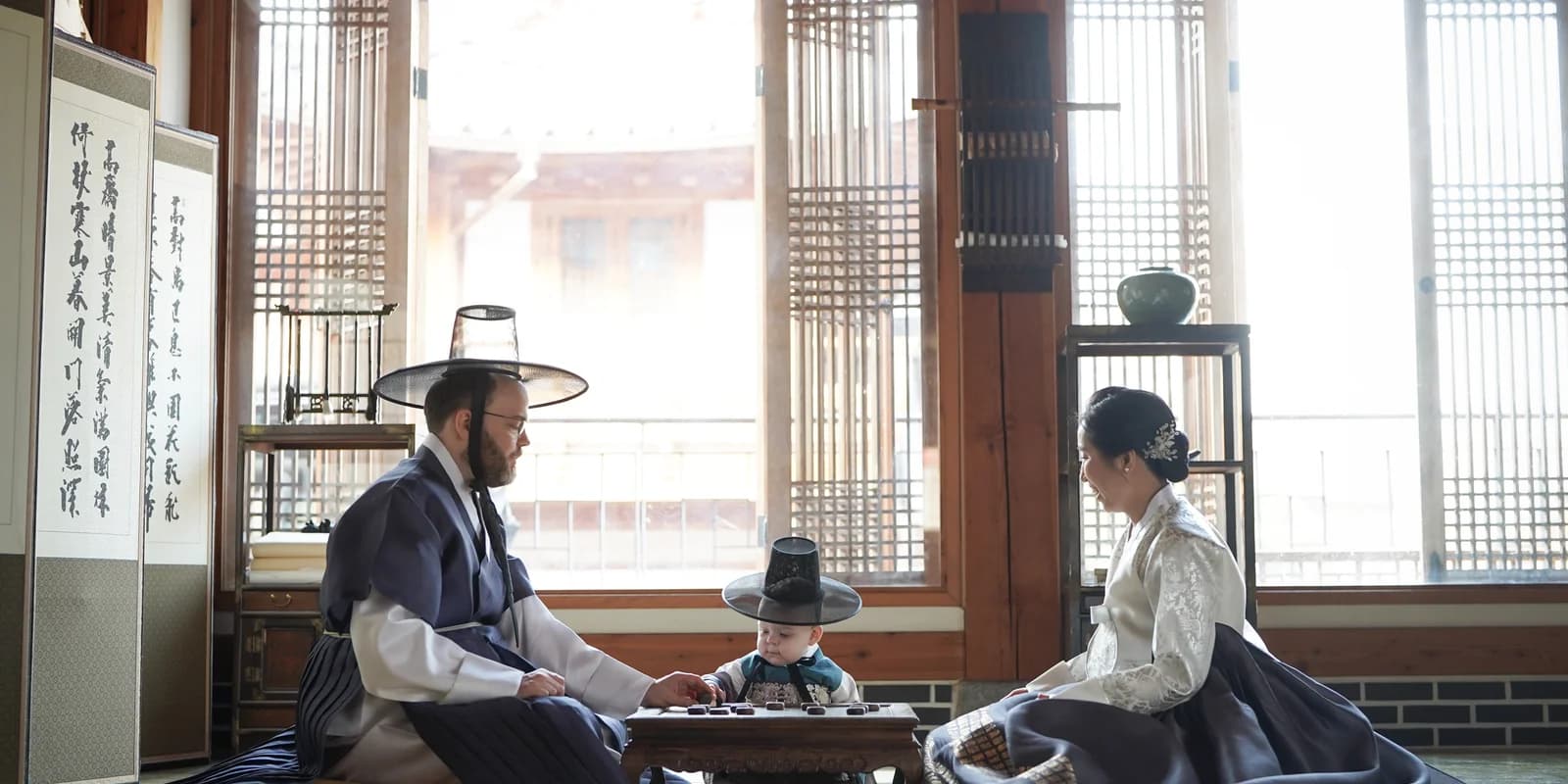
On June 28, 2023, millions of South Koreans woke up one to two years younger — without a birthday, a candle, or a single day passing. The government had changed the law on how to count age. To outsiders it sounded like a joke; to Koreans it was the end of a genuinely confusing situation, because until that morning Korea had been running three different age systems at the same time. Here's how they work, why they existed, and why — even now — a Korean might still tell you an age the law no longer recognizes.
The Three Ages You Can Be at Once
The reason "how old are you?" was ever complicated in Korea is that there were three valid answers.
1. "Korean age" (세는나이, se-neun-nai). The traditional system. You are 1 the day you're born — the nine months in the womb count as your first year — and then, crucially, everyone turns a year older on January 1, all together, not on their birthdays. The math is simple: (this year − your birth year) + 1. It has one tidy consequence: run it at a first-birthday party and every Korean baby, whatever month they were born, comes out at exactly two.
2. "International age" (만 나이, man-nai). The global standard, and now the legal one. You are 0 at birth, and you gain a year on your actual birthday. This is the age the rest of the world means.
3. "Calendar age" (연 나이, yeon-nai). A middle option used by certain laws: simply this year − your birth year, ignoring whether your birthday has come yet.
Here's what makes it real. Take someone born on December 31, 2003, and count them in 2026:
| System | The math | Age |
|---|---|---|
| International (만 나이) | turned 22 on their last birthday | 22 |
| Calendar age (연 나이) | 2026 − 2003 | 23 |
| Korean age (세는나이) | 2026 − 2003 + 1 | 24 |
The same person, on the same day, is 22, 23, and 24 at once. And the most famous quirk falls out of the traditional system: a baby born on December 31 is "1" that day — and "2" the very next morning, January 1, at roughly one day old. That, in a nutshell, is why Korea decided to fix this.
Why Korea Even Had Three
Two forces kept the tangle alive.
The first was simple friction. A single person could be three ages depending on who was asking — the hospital, a contract, a benefits form, a foreigner — and it generated a steady stream of disputes and confusion. Korea's own government, when it announced the change, said standardizing would "diminish all disputes and petitions caused by the concurrent use of conflicting age-counting schemes." The Justice Minister put it plainly: some people counted the Western way, others the Korean way, and it was "tremendously confusing."
The second force is deeper, and it's the real reason age is such a loaded question in Korea to begin with: age is the backbone of the entire social hierarchy. Even a single year's gap decides how two people speak to each other — casual 반말 or polite 존댓말 — and which title they use. This is why one of the first things Koreans establish on meeting is who is older, usually with "몇 살이에요?" (myeot sarieyo?, "how old are you?") or the politer 나이가 어떻게 되세요?. The answer isn't small talk; it decides whether someone becomes your oppa, unnie, hyung, or noona — or you become theirs. Age counting was never just arithmetic in Korea. It was the operating system for respect.
The Day Everyone Got Younger
For years, reformers argued the confusion cost time and money and made Korea an outlier. In late 2022, the National Assembly finally passed amendments making international age (만 나이) the standard for civil and administrative matters, and the change took effect on June 28, 2023.
The overnight effect was the headline the world enjoyed: most South Koreans became one to two years "younger" on paper — one year younger if their birthday had already passed that year, two if it hadn't. In practice, a lot of official life already ran on real birth dates (passports, medical records, pensions), so ID cards and licenses stayed valid and daily bureaucracy barely flinched. What changed was the default: ask an official form how old you are, and the answer is now the same one the rest of the world would give.
The Fine Print: Where the Old Ways Survive
Here's the part that keeps "what's my Korean age?" a live question even after the reform — because the switch is not total.
Some laws deliberately still use calendar age (연 나이), to keep everyone in a birth year on the same footing:
- Drinking and smoking. You can buy alcohol and tobacco from January 1 of the year you turn 19 — birth month doesn't matter, so a whole birth-year cohort ages into it at once. (This runs on the Youth Protection Act, which the age reform left alone.)
- Military service. Conscription eligibility is tied to your birth year, unchanged.
- School. Children start elementary school by birth year, which is why Korean classmates share a year, not a birthday — a cohort logic that quietly reinforces the whole age hierarchy from age six.
And socially, the reflex didn't reset. The law can standardize a form; it can't reprogram a habit. Plenty of Koreans — especially older generations — still think and speak in Korean age, still do the New-Year "we all got a year older" math, and will still, cheerfully, give you their 세는나이 when you ask. The reform tidied the paperwork. The culture is taking its time.
Two Little Rituals Around Age
Because age carries so much weight, a couple of customs are worth knowing.
The first is the "how old are you?" opener itself. To a Western ear it can sound intrusive on a first meeting. It isn't — it's the practical, necessary step of working out the hierarchy so everyone knows which speech level and title to use. It's less nosy than it is considerate.
The second is on the sweeter side: seaweed soup (미역국, miyeok-guk) on your birthday. Korean mothers traditionally eat it after giving birth — seaweed is rich in iodine and calcium and was long tied to postnatal recovery — so eating it on your birthday is, in a sense, honoring the day your mother did the hard work. It links to 삼신할머니 (Samsin Halmoni), the traditional goddess of childbirth. A birthday in Korea isn't only about you; it's a quiet thank-you to the person who made the day possible.
So — How Old Are You in Korea?
If you want the quick answer, use the one the law now uses: your international age — the same number you'd give anywhere. If you're curious what Koreans of an older generation might still call you, add: (this year − your birth year) + 1 for your traditional Korean age, which will usually run a year or two ahead.
But the more interesting takeaway is the why underneath it all. Korea didn't keep three age systems out of stubbornness; it kept them because age, in Korea, was never a neutral fact. It's the hinge the whole language of respect swings on — which is exactly why a country finally rewriting how it counts the years still can't quite get everyone to stop counting the old way. To really get it, it helps to see how the honorific system works and who gets called oppa, unnie, hyung, and noona — because in Korea, your age was always really a question about your place.
And if you want the version of this story that didn't get settled: the rules governing what Koreans may be named are still administered by the Supreme Court, and the Constitutional Court upheld them in April 2026 by five votes to four. That one is in who decides what you can name your baby in Korea.
The June 28, 2023 effective date, the mechanics of all three systems, the "one to two years younger" effect, and the drinking/smoking/military/school exceptions are drawn from multiple sources including Al Jazeera, the Seoul Metropolitan Government, the Korea Herald, the Korea Times, and NPR/Reuters. The observation that many Koreans still use traditional age socially is a cultural trend, not a measured statistic. Images show a Korean doljanchi (first-birthday celebration): homepage/hero — a baby at the dol table, by Jamsong, Wikimedia Commons, CC BY-SA 3.0; cover — a family at a doljanchi, via aramchae.com, Wikimedia Commons, CC BY-SA 4.0; listing card — a dolsang (first-birthday table), by the Korea Tourism Organization, Wikimedia Commons, KOGL Type 1.


Keep Reading
More Stories
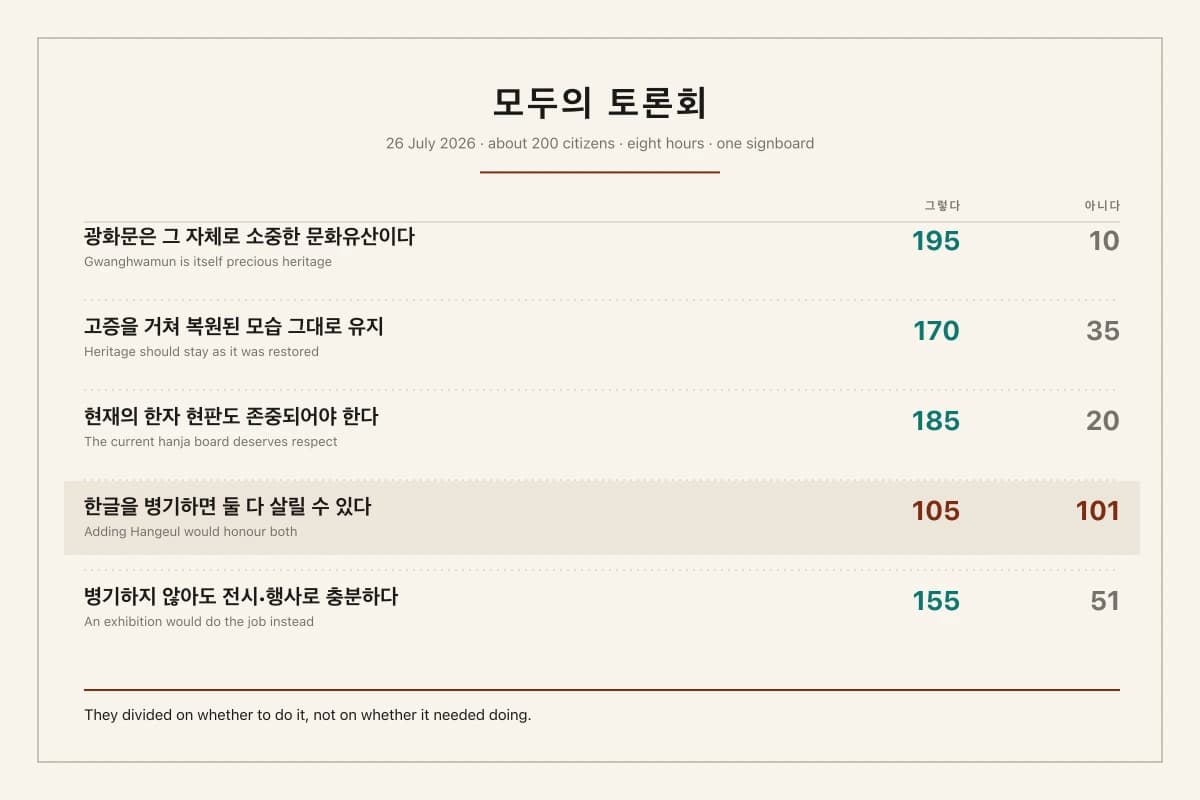
Korea Asked 200 Citizens Whether to Put a Hangeul Sign on Gwanghwamun. They Split 105–101, Then Voted 155–51 That It Is Not Needed.
The government convened its first-ever citizens' deliberation and spent eight hours on a signboard. The panel divided almost exactly in half on whether adding a Hangeul plaque would honour both the heritage and the alphabet — and then, overwhelmingly, said an exhibition would do the job instead. Both answers are coherent, which is the interesting part. The plaque they were arguing about is three years old, and the one before the one before it was in Park Chung-hee's handwriting.
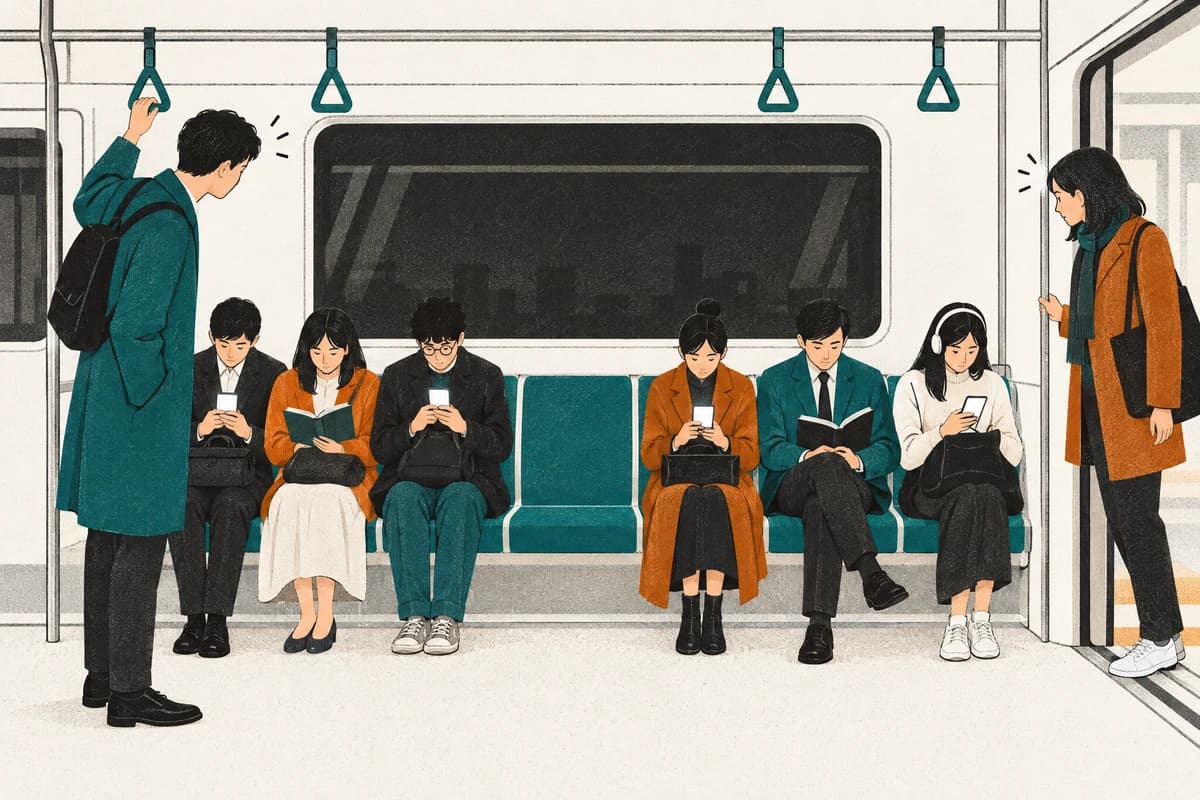
Koreans Have a Word for a Rule Everyone Follows. It Only Ever Gets Used for Rules Not Everyone Follows.
국룰 — gungnul — is Korean internet slang for an unwritten national consensus: the thing everybody does that nobody ever agreed to. It comes from a 2007 shooting game whose players had to invent their own duelling rules because the game had none. And the tell is in which things get called it. Nobody says murder is against 국룰. People say it about which sauce goes with pork belly, and then argue.
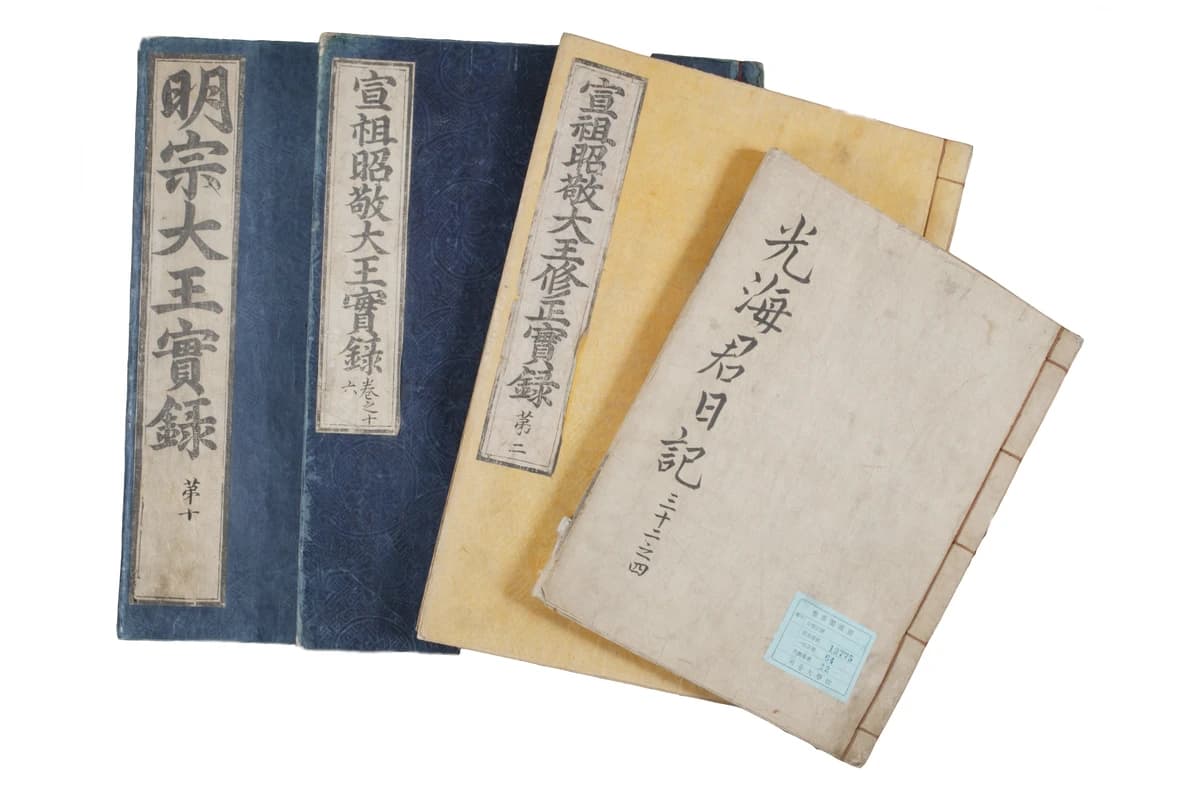
Hangul Day Exists Because a Book Turned Up in 1940. Nobody Can Find the Other Copy.
The date of Korea's alphabet holiday moved four times before a single physical book settled it — and that book arrived missing its first four pages, including King Sejong's own preface, which a calligrapher reconstructed by hand with a typo still in it. A second copy has been in a private house since 2008. The prosecution's own appraisers valued it at over a trillion won. Nobody has seen it since a fire in 2015.
The Weekly Dispatch
Korea, curated. Every week.
The best of K-culture, straight from Seoul. Written by people who actually live here.
Free, no spam, unsubscribe whenever.