Korea Ran Out of Ballots. The Threat to Its Democracy Isn't the One Going Viral.
At the June 3 local elections, dozens of polling stations ran out of ballot papers — and within hours the internet had declared it a stolen election. It wasn't. But the real danger to Korean democracy is quieter than fraud, and Korea has about one news cycle to get ahead of it.
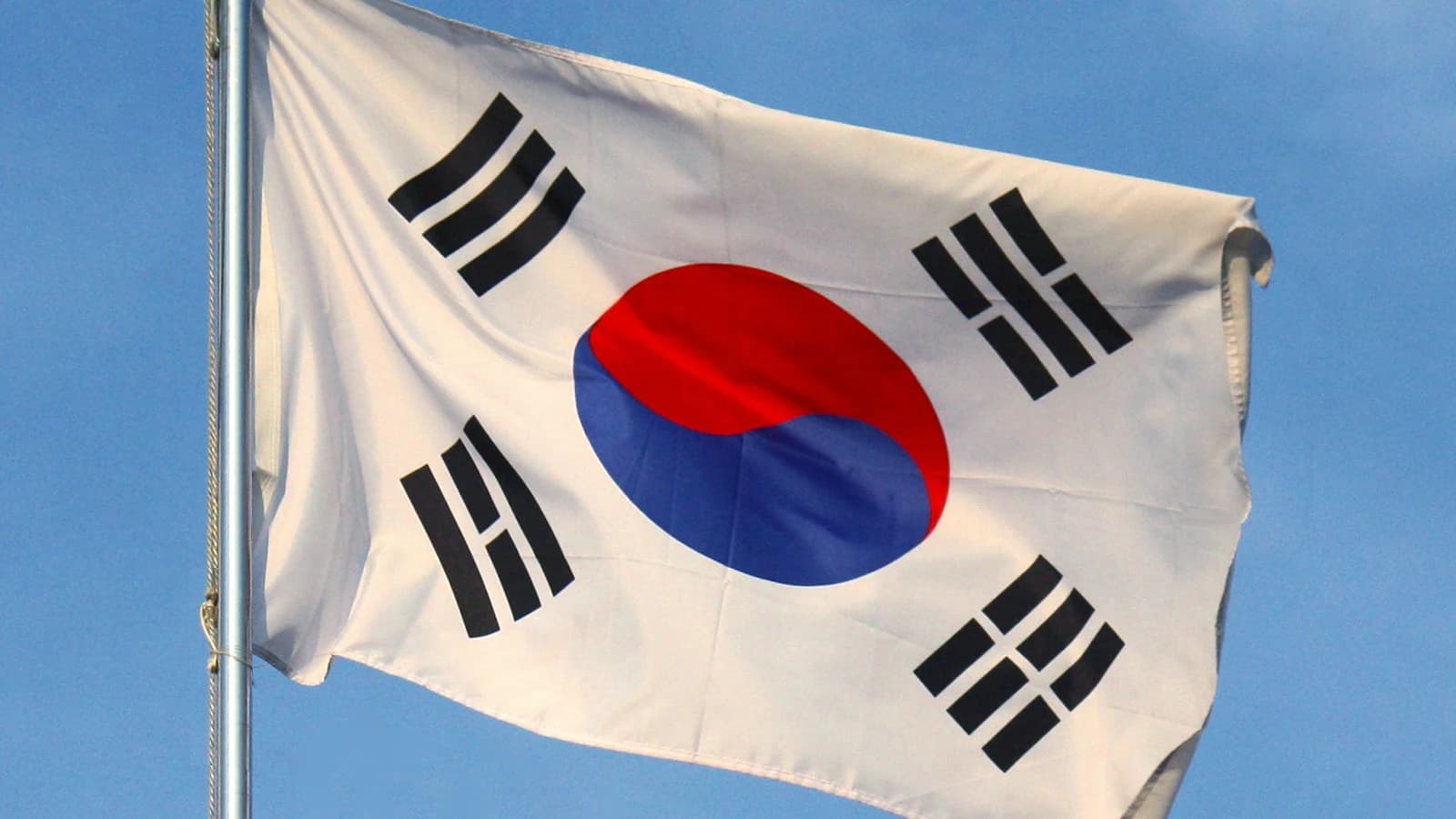
On June 3, in a country that runs some of the most efficient elections on Earth, voters showed up to cast ballots — and a number of polling stations had no ballots to give them.
Not a hacked tabulator. Not a suspicious midnight vote dump. Something almost more embarrassing for a state as competent as South Korea's: they ran out of paper. By the official count, roughly 50 polling stations nationwide reported ballot shortages, and 22 had to temporarily suspend voting. In one district of Seoul, furious voters physically blocked ballot boxes from leaving a polling station; by Friday night, some 6,000 people had gathered at a vote-counting center, and riot police were called to clear them.
Within hours, the internet had its verdict: the election was rigged. It is the wrong verdict. And the speed with which everyone reached it is the actual story.
What actually happened
Let's keep the facts and the fear in separate boxes, because almost no one online did.
The facts: South Korea held its ninth local elections, choosing more than 4,000 officials, including 16 metropolitan mayors and provincial governors. At a small fraction of the country's roughly 14,000 polling stations, the printed ballot supply ran short. The head of the National Election Commission (NEC), Rho Tae-ak, resigned two days later to take responsibility, acknowledging the failure had "understandably raised distrust" and pledging an external investigation. The NEC stood up a formal committee to investigate the shortage, and President Lee Jae-myung ordered a thorough probe. The cause is still being investigated; as of now it is described as a logistical and administrative failure, not anything more.
That is a real institutional screw-up. It deserves the resignation it got, and then some. But a screw-up is what it is — and the leap from "they ran out of ballots" to "they stole the election" is a leap across a canyon, on no evidence.
Why it wasn't a stolen election
Three things, all verifiable, demolish the fraud narrative.
First, look at who won — and who lost. If you were going to accuse anyone of rigging, the suspect would be the incumbent: President Lee's Democratic Party, the governing side the NEC operates under. And the Democratic Party did win big, taking 12 of the 16 top regional races. But it lost the single most coveted prize on the board — the Seoul mayoralty — a seat exit polls had it favored to win. You do not engineer a covert operation to fix an election and then hand your opponent the crown jewel. A rigging that loses you Seoul isn't a rigging; it's just a Tuesday.
Second, the "evidence" circulating online has already been checked, and it's fake. The fact-checking desk at Agence France-Presse has spent the week knocking down the viral "proof": a doctored photo of a leading candidate supposedly bowing to a statue of Mao Zedong, a fabricated claim that Donald Trump had endorsed a long-shot contender, a Chinese-language video misrepresented as a confession of fraud. This is the well the "rigged" story is drawn from. It is poisoned.
Third, the thing that failed is the opposite of the thing fraud needs. Rigging happens in the count — in the tabulation, the transmission, the quiet arithmetic. What broke here was the supply of blank paper, in public, in front of thousands of angry witnesses, loudly enough that the official responsible quit over it. Cover-ups are silent. This was the least silent failure imaginable.
So, plainly: the vote was not stolen. We will say that as clearly as we can, because too few people are.
The danger that's actually real
Here is the part that should worry anyone who loves Korea.
To understand why a paper shortage is a five-alarm fire here and not just a bad headline, you have to understand what the ballot means in this country. South Korea bought its democracy at a brutal price, within living memory — decades of dictatorship, students dead in the streets of Gwangju, a peaceful transition that arrived only in 1987. Koreans do not treat elections as plumbing. They treat them as something closer to sacred.
And the timing could hardly be worse. This vote happened barely a year and a half after a sitting president, Yoon Suk-yeol, declared martial law in December 2024 — a genuine constitutional near-death experience that ended in his impeachment and a snap election. In the wreckage of that crisis, an election-denial movement took root on the Korean far right, one that had already spent months insisting the NEC was a vehicle for fraud, that early voting was rigged, that the count couldn't be trusted.
That movement was not waiting for evidence. It was waiting for an excuse. And on June 3, the election commission handed it one, gift-wrapped: a real, undeniable, caught-on-camera failure that requires no doctoring to look damning. You no longer need a fake Mao photo when you have actual footage of voters being turned away.
This is how democratic trust dies — not in one dramatic theft, but in a slow accumulation of "well, you can see why people have doubts." America has spent half a decade learning that a lie about a stolen election, repeated by people who half-believe it, can do more lasting damage than any actual fraud ever did. Korea is now standing at the top of that same slide, and the ballot shortage just greased it.
The next two weeks matter more than the last two
The result of this election is settled and legitimate. What is not settled is whether Koreans will go on believing their elections are legitimate — and that is decided now, by how the institutions respond.
There is a way to do this right, and Korea knows how, because transparency is one of the things it's historically been good at. Publish the investigation in full, including the unflattering parts. Name what went wrong — the procurement, the planning, the chain of command — without defensiveness. Let independent observers, including the opposition, inside the process rather than circling the wagons. Treat the 6,000 people at that counting center not as a mob to be cleared by riot police but as citizens whose trust is the entire point of the exercise.
And there is a way to do it wrong: minimize it, slow-walk the findings, let the NEC investigate the NEC, and assume the anger will fade. It will not fade. It will harden into the most corrosive sentence in any democracy — we'll never really know — and that sentence, once it sets, does not come out.
The ballots can be reprinted. By next week the paper shortage will be a logistics footnote. Trust is the thing that doesn't reprint. That's what's actually on the ballot now, and Korea — to its enormous credit, a democracy that has earned the benefit of the doubt — should treat it like it knows the difference.
This is an opinion piece by The Editors. It reflects our reading of verified reporting as of publication on a still-developing story; the official investigation into the ballot shortage is ongoing, and we'll update our view if its findings warrant.
Keep Reading
More Stories

A Portmanteau Walks into a Party: In Defence of the Koreaboo
The word 'koreaboo' travels fast and lands hard — but nobody can define it, nobody who matters invented it, and it applies, with suspicious consistency, almost only to East Asian cultures. Drawing on the Francophile, the Anglophile, and a 1,555-day Duolingo streak, a guest essay on the double standard that calls Western cultural enthusiasm personality and Korean cultural enthusiasm a phase.
Summoned to Testify, Korea's Chief Justice Came, Refused the Oath, Answered Anyway — and Left at Lunch
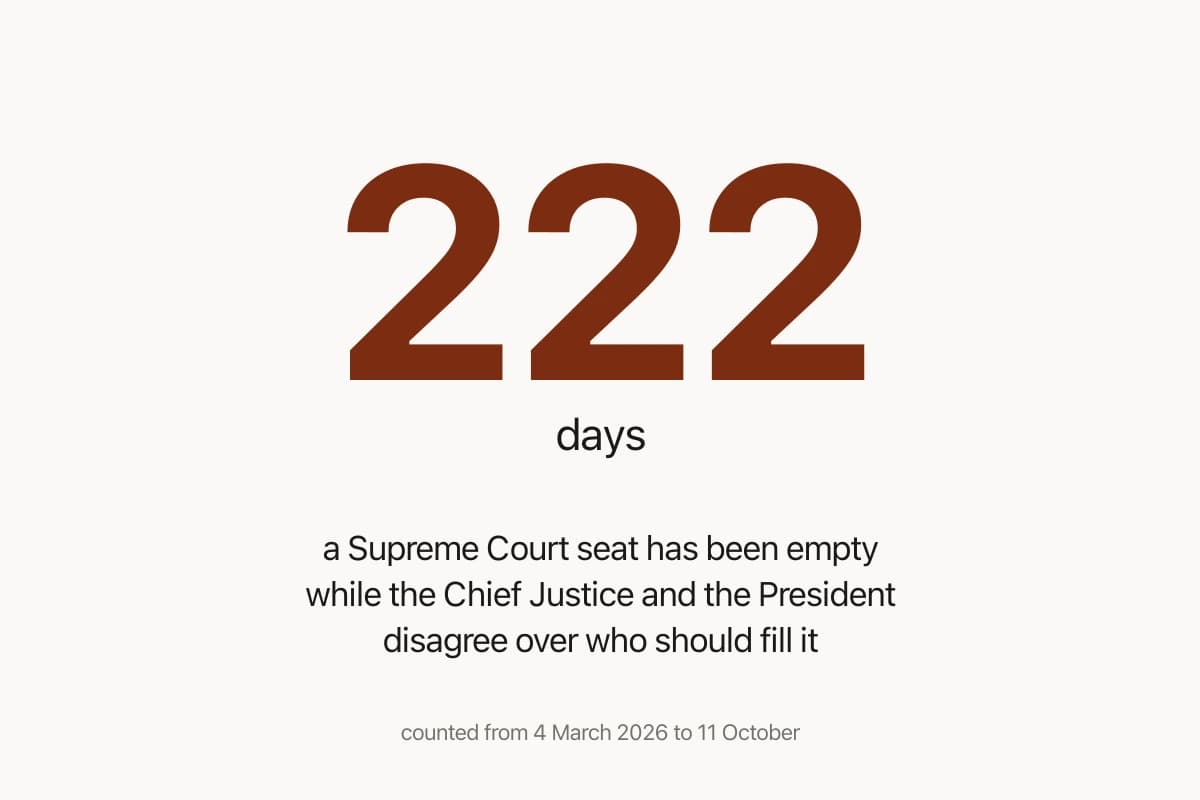
On 6 October 조희대 sat before the National Assembly's judiciary committee for two and a half hours, unsworn, defending a refusal to put forward a second name for a Supreme Court seat that has been empty since March. Then the Chief Justice went, and came back at ten to eleven at night to give closing remarks. Nobody voted to compel a return, and the seat is still empty.
Korea Abolishes Its Prosecution Service on 2 October. One Successor Opens Without a Chief or a Finished Building. The Other Opens With the Same Prosecutors Under a New Sign
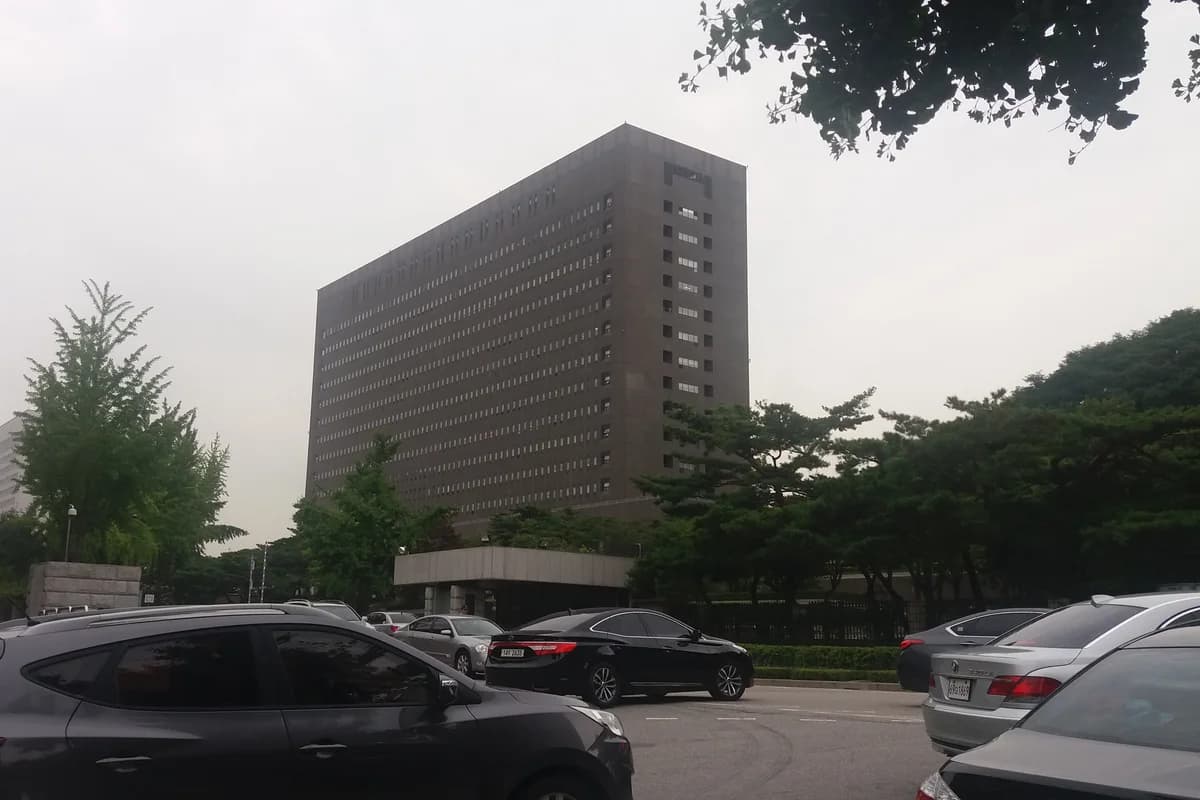
At midnight on 1 October the 검찰청법 is repealed and the institution that has dominated Korean politics since 1948 splits in two: a 공소청 that charges and tries cases, and a 중대범죄수사청 that investigates serious crime. It is the largest change to Korean criminal justice in seventy years, and it begins with acting heads at the prosecution office, the justice ministry and the national police, no head at all at the new investigation agency, seven sets of rules still unpublished, four challenges pending at the Constitutional Court — and the President arguing on X, in the small hours, with his own party about whether a former prosecutor may run the agency that replaces prosecutors.
The Weekly Dispatch
Korea, curated. Every week.
The best of K-culture, straight from Seoul. Written by people who actually live here.
Free, no spam, unsubscribe whenever.