From 2002 Hero to 'Incapable': Why Korea Turned on Hong Myung-bo
Twenty-four years ago he was the captain who took Korea to the World Cup semifinals — the first Asian ever to win an individual award at the tournament. This summer, after the worst World Cup placing in his country's history, he resigned as its coach while the President of Korea called him 'incapable' and ordered an investigation into how he ever got the job. The rise and ruin of Hong Myung-bo, explained.
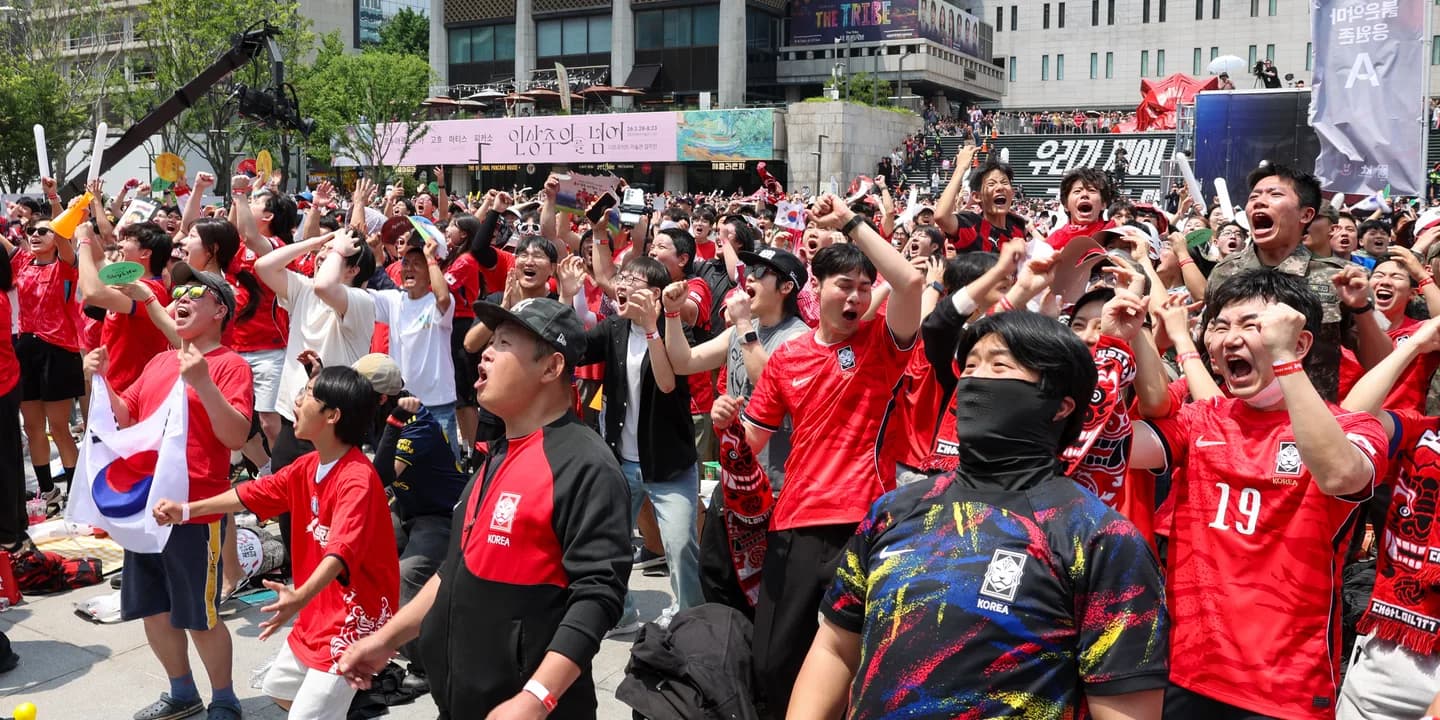
Within a day of Korea crashing out of the 2026 World Cup, the head coach was gone. Hong Myung-bo resigned, accepting full blame for the worst World Cup finish in his country's history. "A coach's position requires no explanation in the face of results," he told reporters. "The responsibility lies entirely with me." (Korea Herald)
That alone would have been an ordinary football story — coach fails, coach walks. What made it a national event was the voice that came down on him from the very top. President Lee Jae-myung publicly called Hong "incapable," and ordered the government's sports ministry to investigate not only the result but the way Hong had been hired two years earlier. (ESPN)
To an outsider, that second half is baffling. A team loses; why is the President reopening a two-year-old hiring decision? The answer is the whole story — and it explains why the anger at Hong Myung-bo runs so much deeper than one bad tournament. To understand it, you have to start at the top of the mountain he fell from.
The hero: 2002
For Koreans of a certain age, Hong Myung-bo is not a coach. He is a symbol.
He was the captain of the 2002 World Cup team — the one that Korea co-hosted with Japan and rode all the way to the semifinals, a fourth-place finish no Asian nation had ever come close to. He marshaled a defense that conceded just two goals before the final four. In the quarterfinal against Spain, with the score level after extra time, it was Hong who stepped up and buried the decisive final penalty to send Korea through, 5–3. (Wikipedia)
When the tournament ended, FIFA gave him the Bronze Ball as the third-best player of the entire World Cup — making Hong Myung-bo the first Asian footballer ever to win an individual award at a World Cup. If you read our piece on why Korea loses its mind for the World Cup, the summer of 2002 is the origin of all of it: the red-shirted millions in the streets, the belief that Korea belonged on the world stage. Hong was the captain of that dream.
This is the essential thing to hold onto: the fury of 2026 is the exact measure of the love of 2002. You cannot fall this far unless you were once standing that high.
The first fall: 2014
The first crack came twelve years later, and it rhymes uncomfortably with the present.
In 2013 Hong was handed the senior national team barely a year before the 2014 World Cup in Brazil — too little time, by his own admission. He leaned on the players he trusted: the squad he had coached to a bronze medal at the 2012 London Olympics. Critics gave the approach a name that has clung to him ever since — "의리 축구" (uiri chukgu), "loyalty football" — the charge that he picked men out of personal allegiance rather than form.
In Brazil it fell apart. Korea drew Russia, lost to Algeria, lost to Belgium, and went home after the group stage with a single point — one of the team's weakest World Cup showings in a generation. Hong resigned immediately. (Wikipedia)
Remember the shape of that sentence: short preparation, favored insiders, group-stage exit, instant resignation. In 2026, Korea would watch the same film twice.
The hire that no one forgave: 2024
If 2014 dented the legend, 2024 is what truly turned the country against him — and it had almost nothing to do with football tactics.
After the German coach Jürgen Klinsmann was fired in early 2024, the KFA spent months adrift under interim managers. Its own National Team Strengthening Committee did its job: in May 2024 it ranked its preferred candidates, with American coach Jesse Marsch at the top of the list. (Korea Times)
Then the process went sideways. The committee's recommendations were bypassed. Its chairman, Chung Hae-seong, resigned. Authority to name a coach passed instead to technical director Lee Lim-saeng — who, a court would later find, had no such authority under the federation's own rules — and out of that irregular process emerged a single name: Hong Myung-bo, then doing well as manager of K-League club Ulsan HD. (Marsch, the committee's actual first choice, went on to coach Canada — Korea's eventual World Cup hosts-region rival — which did nothing to cool the resentment.)
To Korean fans, this did not look like a hiring. It looked like a fix. The man at the center of it was KFA president Chung Mong-gyu (정몽규) — a scion of the Hyundai founding family, by then more than a decade into his reign over Korean football. The National Assembly summoned Chung twice in 2024 to answer for the appointment; one lawmaker, Bae Hyun-jin, called the process "disorganized and unprincipled" and aired persistent rumors of a Korea University alumni network linking the federation's decision-makers — an old-boys'-club whisper that has never been proven but has never gone away. (Korea Times)
The legal verdict, when it came, was damning enough on its own. In April 2026 a first-instance court ruled against Chung Mong-gyu over his improper involvement in the appointments, after the Culture Ministry demanded discipline and the KFA refused and fought it in court. (Korea Herald) A separate police investigation into the hiring, meanwhile, dragged on for nearly two years without resolution.
So when fans looked at Hong on the touchline, many of them were not really seeing a coach they doubted. They were seeing the beneficiary of a process they believed was rigged — a 2002 hero who, in their eyes, had let his name be used to launder a backroom deal. The booing started long before a ball was kicked.
2026: the film runs again
Which brings us back to the summer of 2026, and the grim familiarity of it.
Korea were drawn into Group A. They opened with a win over the Czech Republic and, for one night, the doubts quieted. Then they lost 1–0 to Mexico, lost 1–0 to South Africa, and finished third in their group, eliminated before the round of 32. In a 48-team tournament, Korea placed 34th — on paper the worst World Cup finish in the nation's history, though the 1954 side came last of the sixteen teams that entered — and by FIFA's July rankings they had slid to 32nd, the lowest in years. (Korea Times)
Short preparation under a cloud, questions of favoritism, a group-stage exit, an immediate resignation. The country had seen this exact sequence in 2014 — and that, more than the scoreline, is what detonated the anger. It wasn't just that Korea lost. It was that they had been told this might happen, had protested the hire that risked it, and had been overruled.
The cruelest blow came from the people who had loved him longest. The Red Devils — the official supporters' group whose red sea is the beating heart of Korea's World Cup ritual — issued a statement demanding Hong remove himself from Korean football "entirely," accusing him of having "exploited their loyalty to cover up his past failures." The captain of 2002 had become, to the very fans who once worshipped him, a man to be cast out. (Korea Times)
The bigger picture: it was never only about Hong
Here is the part worth sitting with, because it's the part the headlines miss.
The rage poured onto Hong Myung-bo, but he was never the whole problem — he was the lightning rod for it. The real story is a federation that overruled its own committee, lost in court over how it did so, and spent years stonewalling a discipline order. It's a president, Chung Mong-gyu, who announced in May 2026 that he would finally step down after the World Cup, ending a 13-year grip on Korean football that fans had spent years chanting at him to release. The dysfunction was structural. Hong was the face that happened to be attached to it when the music stopped.
And it's a country that asks something almost impossible of eleven men every four years. Korea pours its national identity into this team — the same intensity that fills Gwanghwamun with a million people in red also means a group-stage exit can pull the President of the republic into a press conference. The weight that made Hong a god in 2002 is the same weight that crushed him in 2026. He simply stood under it twice.
Hong Myung-bo will be remembered, in the end, for two summers that could not be further apart: the one where he scored the penalty that made a nation believe, and the one where that same nation asked him to leave the sport for good. Both are true. That gap — between the hero and the villain, with the same man in the middle — is the most Korean football story there is.
—The Editors
Sourcing: Hong Myung-bo's resignation and his statement accepting responsibility are reported by the Korea Herald; President Lee Jae-myung's "incapable" remark and his order for a sports-ministry investigation by ESPN. The 2002 record (captain, semifinal run, the decisive penalty vs. Spain, the Bronze Ball as the first individual World Cup award to an Asian player) and the 2014 Brazil group-stage exit and immediate resignation are per Wikipedia and Korean football records. The 2024 appointment — Jesse Marsch as the committee's top choice, the bypassing of the committee, chairman Chung Hae-seong's resignation, the transfer of authority to Lee Lim-saeng, the National Assembly hearings, and Rep. Bae Hyun-jin's "disorganized and unprincipled" comment and reference to alumni-network rumors — is reported by the Korea Times; the April 2026 first-instance court ruling against KFA president Chung Mong-gyu by the Korea Herald. The 2026 results (third in Group A, 34th of 48 — the worst in Korean World Cup history — and the subsequent FIFA-ranking drop) and the Red Devils' statement are reported by the Korea Times. The "Korea University cartel" is described as an unproven rumor raised in the National Assembly, and is presented here as an allegation, not a finding. Resignation timing is given as within a day of the June elimination; exact-date coverage varied.
Cover and listing card: Korean fans (the Red Devils) at the Gwanghwamun fan zone during the 2026 World Cup — photos by Korea.net / Korean Culture and Information Service (KOCIS), Wikimedia Commons (cover, card), CC BY-SA 4.0.
.jpg)
.jpg)
Keep Reading
More Stories
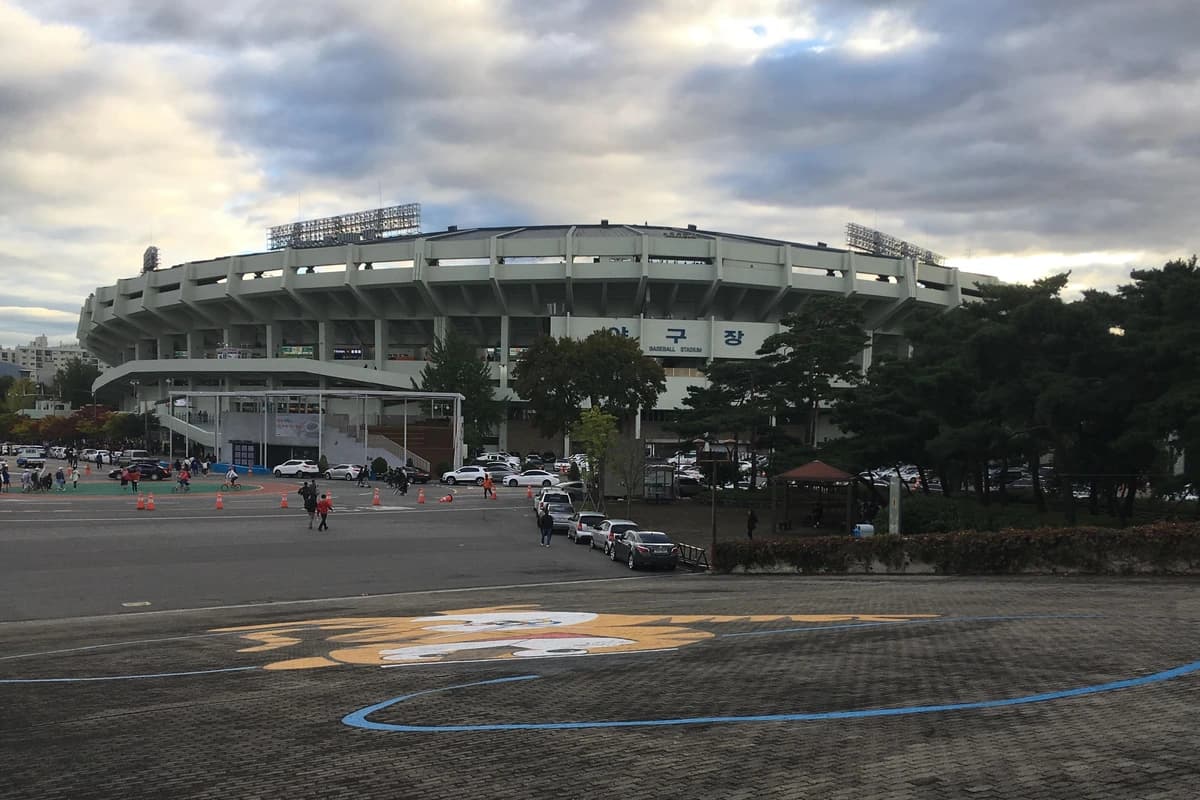
The Lights Went Out at Jamsil on Monday Night. Korea's Most Famous Ballpark Isn't Quite Finished Yet
On 12 October, after the last regular-season game at 잠실야구장, four Doosan legends stood at the bases in the dark and lifted home plate. LG had said its own goodbye five days earlier. The 44-year-old stadium is due to come down for a domed replacement — but the postseason, starting tonight with LG against Doosan, will keep it open for at least two more games.
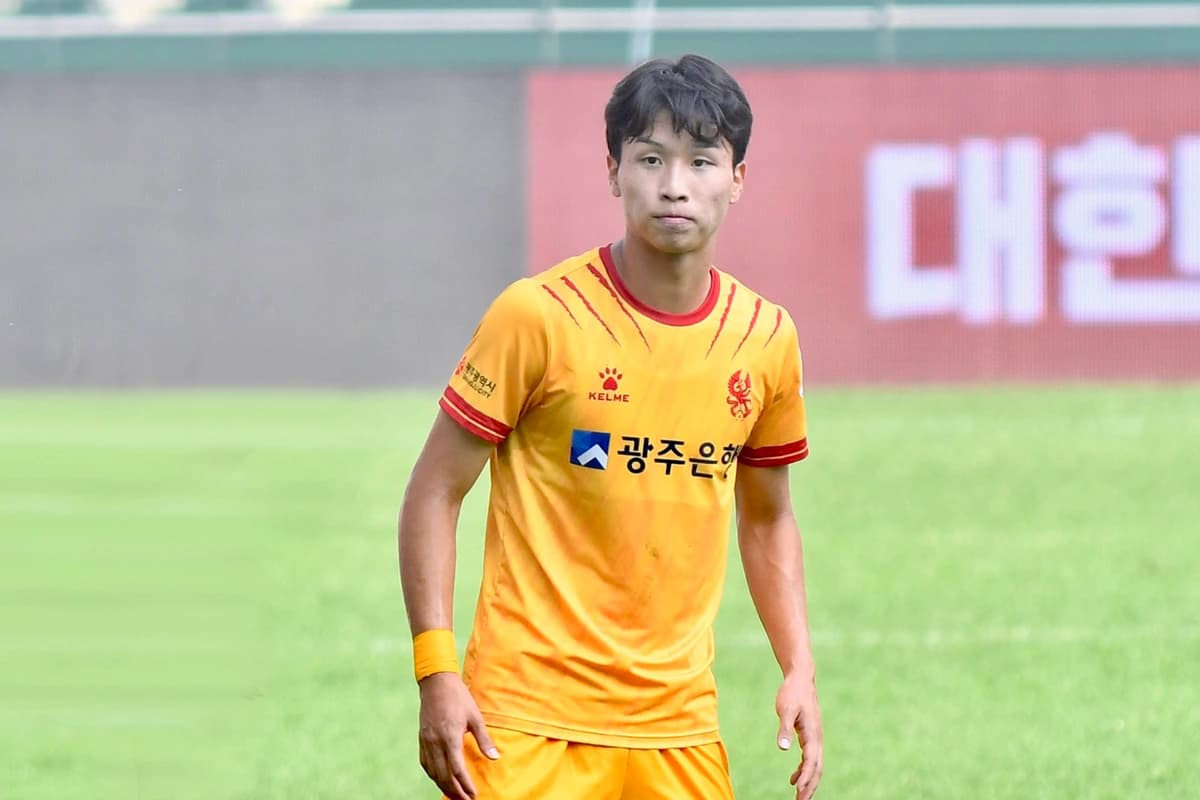
Korea Beat Japan for a Fourth Straight Asian Games Football Gold. Then Its Captain Held Up the Medal and Said, 'I'm Not Going to the Army'
엄지성's 61st-minute goal at Toyota Stadium made Korea the first side to win the men's tournament four times running, and exempted 20 of its 23 players from active military service. Within a day three of them were apologising for saying what the medal was for — and the argument about the exemption itself had started again.
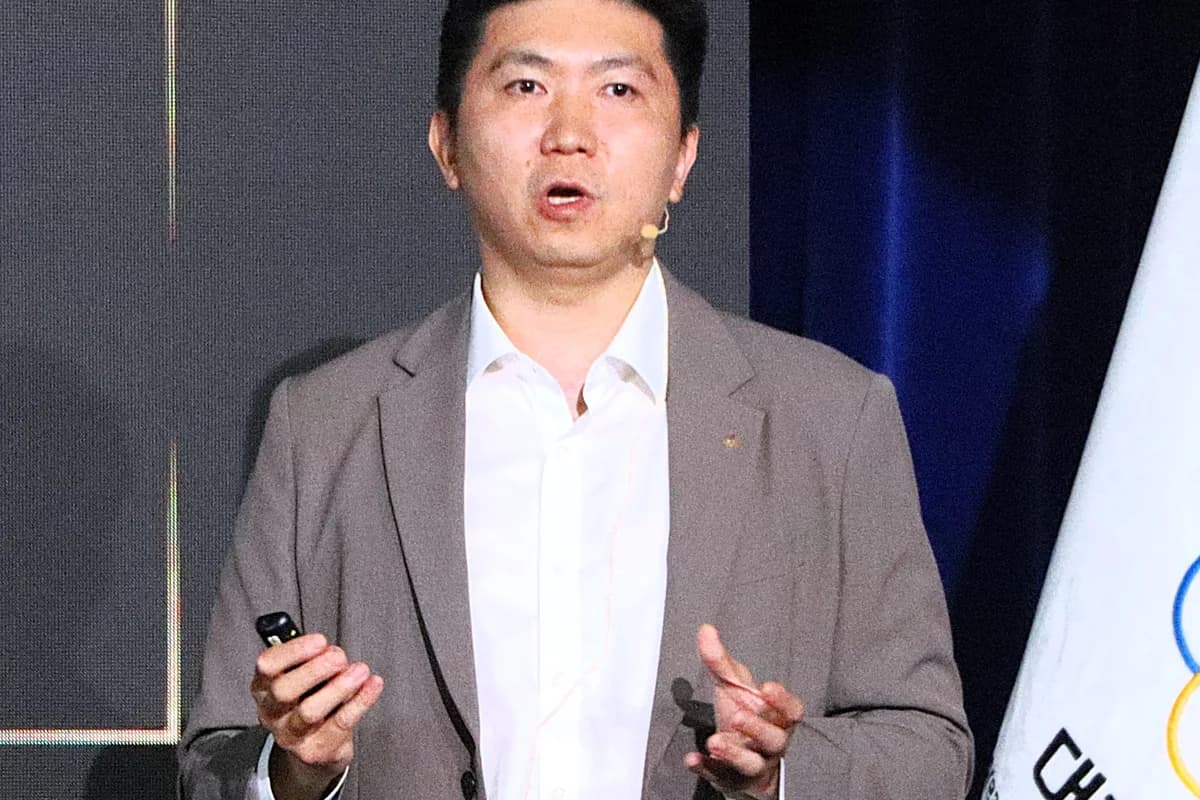
Korea's Sports Chief Gave Japan's Asian Games an F. Then the Organisers Apologised — to Japanese Spectators — for a Sign Saying the Rising Sun Flag Was Banned
The hosts of Aichi–Nagoya 2026 played North Korea's anthem for South Korea's hockey team, introduced Korea as the Republic of China at a medal ceremony, put Hideyoshi on the welcome stage, lost the basketball team's bus before the final, and housed athletes in leaking containers. Then a ballpark sign listed the Rising Sun flag among banned items, and the organising committee said sorry — in Japanese only, to its own crowd — because the flag was 'naturally' allowed. Its own rulebook bans flags that suggest political claims. It chose not to read it.
The Weekly Dispatch
Korea, curated. Every week.
The best of K-culture, straight from Seoul. Written by people who actually live here.
Free, no spam, unsubscribe whenever.