Cool-cation: Where Koreans Escape the Summer Heat
Korea's summers are breaking heat records, so the whole country has a new word — 쿨케이션 — for fleeing to somewhere cooler. The highlands that never see a tropical night, the valleys you sit in, the caves that hold 12°C in August, and the flights to winter. Here's the playbook.
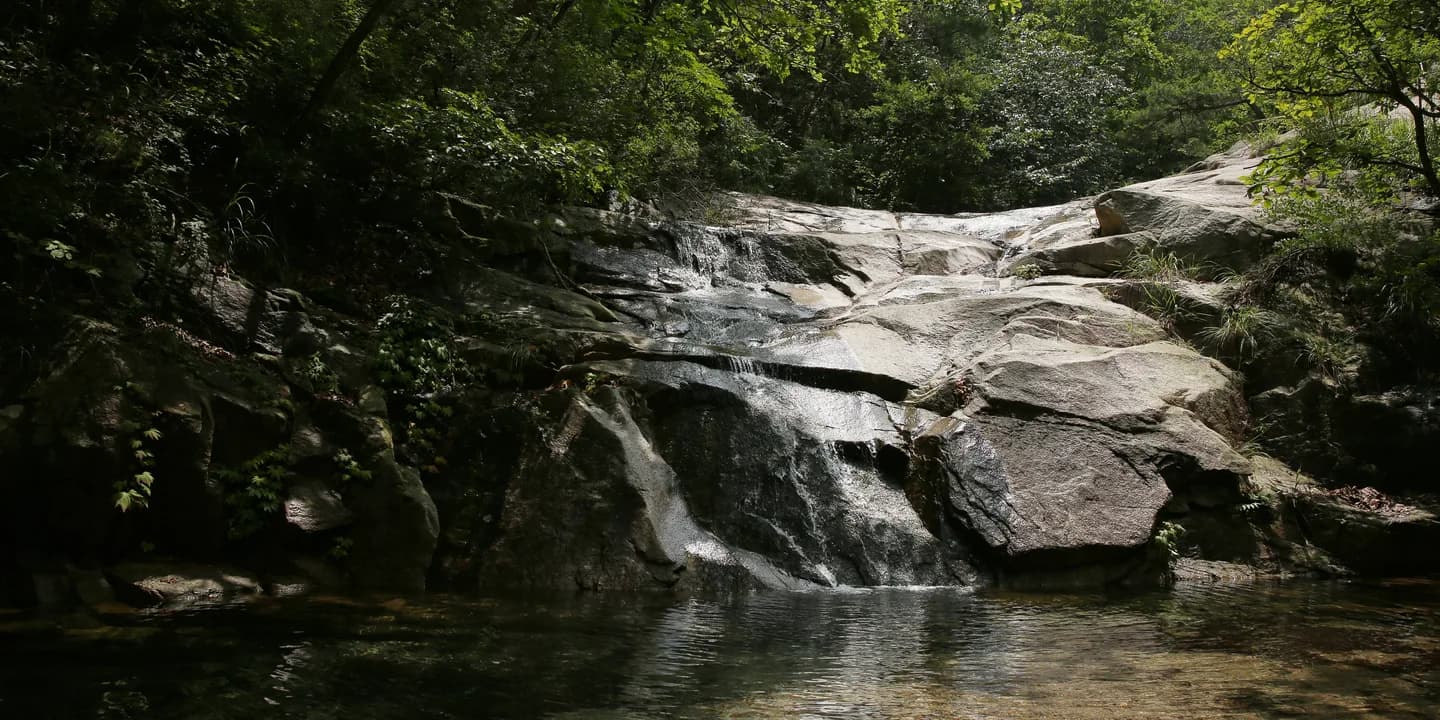
There's a new word in Korean travel, and it tells you everything about how Korean summers have changed. It's 쿨케이션 (cool-cation) — "cool" stitched onto "vacation," coined officially by the National Institute of the Korean Language — and it means a trip taken not to see something, but simply to be somewhere less hot. The destination is the temperature.
That a country needs such a word is the story. Korea's summers used to be a thing you endured with a folding fan and a bowl of cold noodles. Now they break records annually: 2025 was the hottest summer in Korea's modern weather history, and the meteorological agency's 2026 outlook calls for another summer hotter than average. Seoul in August now runs a "feels-like" temperature around 35°C, and the nights barely cool — last year the country averaged 15.5 tropical nights (when the temperature never drops below 25°C). We laid out the full grim machinery of Korean summer here; this is the other half of the story — where everyone goes to escape it.
And they are going. Searches for 쿨케이션 are up 74% year-on-year, and 237% for the June–August peak. Here's the playbook Koreans actually use, from a day trip out of Seoul to a flight into the Southern Hemisphere's winter.
The highlands: where it's just colder
The simplest escape is altitude. Go up a kilometer and the thermometer comes down with you — and Korea has a handful of high plateaus that stay genuinely cool while the lowland cities bake.
The icon is 대관령 (Daegwallyeong), the highland spine of Pyeongchang in Gangwon Province. Its summer average is 18.5°C — roughly 6°C cooler than Seoul — and here's the stat that makes Koreans book it: in its entire recorded weather history, Daegwallyeong has never logged a single tropical night. Not one. You sleep under a blanket in August. The sheep ranches, the wind farms ridge-lined against the sky, the lavender and the cattle pastures — it photographs like New Zealand and feels like air conditioning. (We have a full guide to Pyeongchang in summer if this is your pick.)
If you want the extreme version, go to 태백 (Taebaek) — a small city sitting in a ~650-meter basin ringed by 1,000-meter-plus peaks, and by most measures the coolest city in Korea, with a summer average around 20.3°C and, lately, a tropical-night count of zero. People go to Taebaek in August specifically to put on a long-sleeve shirt.
The trade-off is real: highlands mean a drive (or a train plus a bus), and the good stays book out fast in peak season. But for the temperature difference alone, nothing beats simply going up.
The valleys: Korea's oldest summer escape
Before there were hotels with infinity pools, there was the 계곡 (gyegok) — the mountain valley stream — and it remains the most quietly Korean way to cool off.
The ritual is specific and wonderful: you drive up into the hills, find a valley restaurant that rents out 평상 (pyeongsang), the raised wooden platforms set right in or beside the cold running water, you pay for the platform and a pot of 백숙 (whole-chicken soup) or 닭볶음탕 (spicy braised chicken), and then you spend the entire afternoon with your feet — and a few cans of something cold — submerged in water that came off the mountain that morning. The water is shockingly cold even when the air is 33°C. Gangwon, Gapyeong, and Pocheon (all an easy reach from Seoul) are valley country, but even within Seoul itself the granite valleys of Bukhansan National Park run cold and green all summer.
It's cheap, it's communal, and it's the closest thing Korea has to a national summer pastime. If you only do one "local" cool-cation thing, do this one.
The caves: nature's air-conditioning
Here's the move most visitors never think of, and it's the best-kept secret on this list: Korean show caves sit at a steady 10–15°C, year-round. Walk in from a 34°C afternoon and you'll want the cardigan you (of course) forgot.
- 광명동굴 (Gwangmyeong Cave) is the easy one — a former gold mine turned into Korea's largest themed cave park, holding around 12°C, and close enough to Seoul to be a half-day trip. It's less raw nature, more lit-up underground attraction (light shows, a wine cellar, an exhibit or two), which makes it the family-friendly pick.
- 고수동굴 (Gosu Cave) in Danyang is a genuine limestone cavern of stalactites and tight passages, holding a steady 15°C.
- 환선굴 (Hwanseon Cave) in Samcheok is the serious one — the longest limestone cave in Korea at 6.2 km of mapped passage, and a cool 10–14°C in its depths.
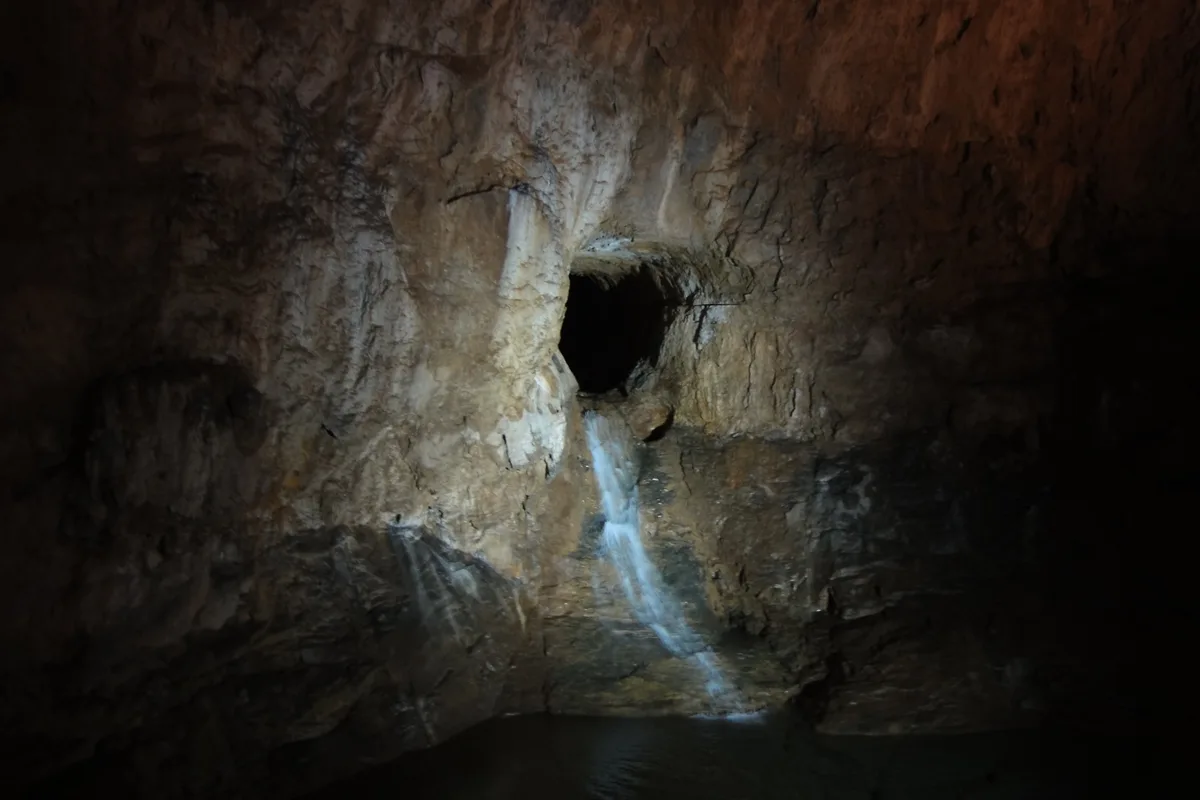
Koreans have known this trick for centuries — caves were summer refuges long before they were ticketed attractions. Bring a layer, wear grippy shoes (cave floors are wet), and enjoy being cold on purpose in August.
The sea — and the islands
The most obvious escape is also a real one: the coast, where the water and the sea breeze knock the edge off even when the sand is hot.
The East Sea (동해) is the summer default — Gangneung, Sokcho, and Yangyang in Gangwon draw the crowds for clear, cold water and, increasingly, a surf-town scene (Yangyang has become Korea's surfing capital and its summer nightlife magnet). The South Sea (남해) is gentler and warmer, with island-hopping and quieter beaches. And Jeju is its own category — a flight, not a drive, but the payoff is an island with its own microclimates, coastal walks, and the cool interior around Hallasan. (If you're headed to either coast, here's what Koreans actually book in Jeju and in Busan.)
One honest caveat: everyone has this idea at once. East Sea beaches in early August are not a tranquil escape — they're a joyous, crowded, parasol-to-parasol scene. If solitude is the goal, go highland or valley. If energy is the goal, go to the sea.
The indoor escape: 호캉스, water parks, and 촌캉스
Not every cool-cation involves leaving the city or fighting traffic. A huge share of the trend is just air conditioning, upgraded.
- 호캉스 (hotel-cation) is the big one — booking a city or resort hotel purely for the pool, the AC, and room service, and never really leaving the building. It's become a default Korean summer weekend, and the hotels lean into it with summer pool packages. (See what Koreans book in Seoul and Pyeongchang.)
- Water parks turn the heat into the point — Caribbean Bay (Yongin) and Ocean World (Hongcheon) are the giants, packed all summer with wave pools and slides.
- 촌캉스 (chon-cation), the rural-staycation cousin, is the counter-trend: renting an old countryside house (a 한옥 or a farm stay) for a slow, low-key few days — and if it comes with a glamping setup near Seoul, all the better.
The common thread: you're not sightseeing, you're decompressing in a cooled box of your choosing. That's a perfectly legitimate cool-cation.
The new move: flying somewhere cold
The most telling shift of all: a growing number of Koreans now skip the domestic options entirely and fly toward winter.
Trip-search data this summer shows demand spiking for cooler-climate destinations: flight searches from Korea jumped 129% for Sapporo (northern Japan stays mild in summer), 68% for Australia and 45% for New Zealand (where it's actively winter), and a remarkable 160% for Yunnan, the high-altitude, spring-like province of southwestern China. The logic is pure cool-cation, just with a passport: if you're going to spend money escaping the heat, escape it completely.
It's a small but fast-growing slice — and a sign that for many Koreans, "summer vacation" is quietly becoming "summer evacuation."
If you're visiting: how to do your own cool-cation
If your Korea trip lands in July or August, don't just sweat through it in the city. A few practical notes:
- Easiest from Seoul, no car: a cave (Gwangmyeong is metro-reachable) or a valley day-trip. Biggest temperature payoff: the highlands (Pyeongchang/Daegwallyeong by KTX-plus-bus).
- Book early. Peak season is late July through mid-August (around the 복날 dog-days and the summer holidays); valley platforms, highland stays, and Jeju flights all sell out, and prices jump.
- Pack a layer — seriously. Caves are 12°C, highland nights dip toward sweater weather, and Korea's indoor AC runs cold enough to be its own minor health complaint. The cardigan is the single most useful thing in your summer bag here.
- Time it around the heat, not the calendar. If your dates flex, the back end of August into September eases off — and the reward, Korea's genuinely spectacular autumn, is right behind it.
The bigger point is the one the new vocabulary gives away. A country that has coined an official word for "going somewhere cooler" has accepted that its summers are now something to be escaped, not merely survived. The good news for a visitor is that Koreans have already mapped every exit — up a mountain, into a valley, down a cave, or onto a plane bound for winter. Pick one, pack a layer, and go be cold on purpose.
—The Editors
The term 쿨케이션 was coined by the National Institute of the Korean Language; the trend, search-volume figures (+74% year-on-year, +237% for the summer peak), and overseas flight-search spikes (Sapporo, Australia, New Zealand, Yunnan) are from current Korean travel-industry reporting (Kyunghyang, Herald Economy, Travel Daily and others). The 2026 hotter-than-average outlook is from the Korea Meteorological Administration; the 2025 record-summer and tropical-night figures via the Korea Herald / Inquirer. Destination temperatures — Daegwallyeong's 18.5°C summer average and zero recorded tropical nights, Taebaek's ~20.3°C, and cave temperatures (Gwangmyeong ~12°C, Gosu ~15°C, Hwanseon ~10–14°C) — are from the KMA, local-government and Wikipedia sources. Prices and crowd patterns are typical 2026 ranges and vary by location and date.
Cover: a forest waterfall and pool in Bukhansan National Park, Seoul — photo by Republic of Korea / Korea.net, Wikimedia Commons, CC BY-SA 2.0. In-article photo: inside Hwanseon Cave, Samcheok — photo by 콩가루, Wikimedia Commons, CC BY-SA 4.0.


Keep Reading
More Stories
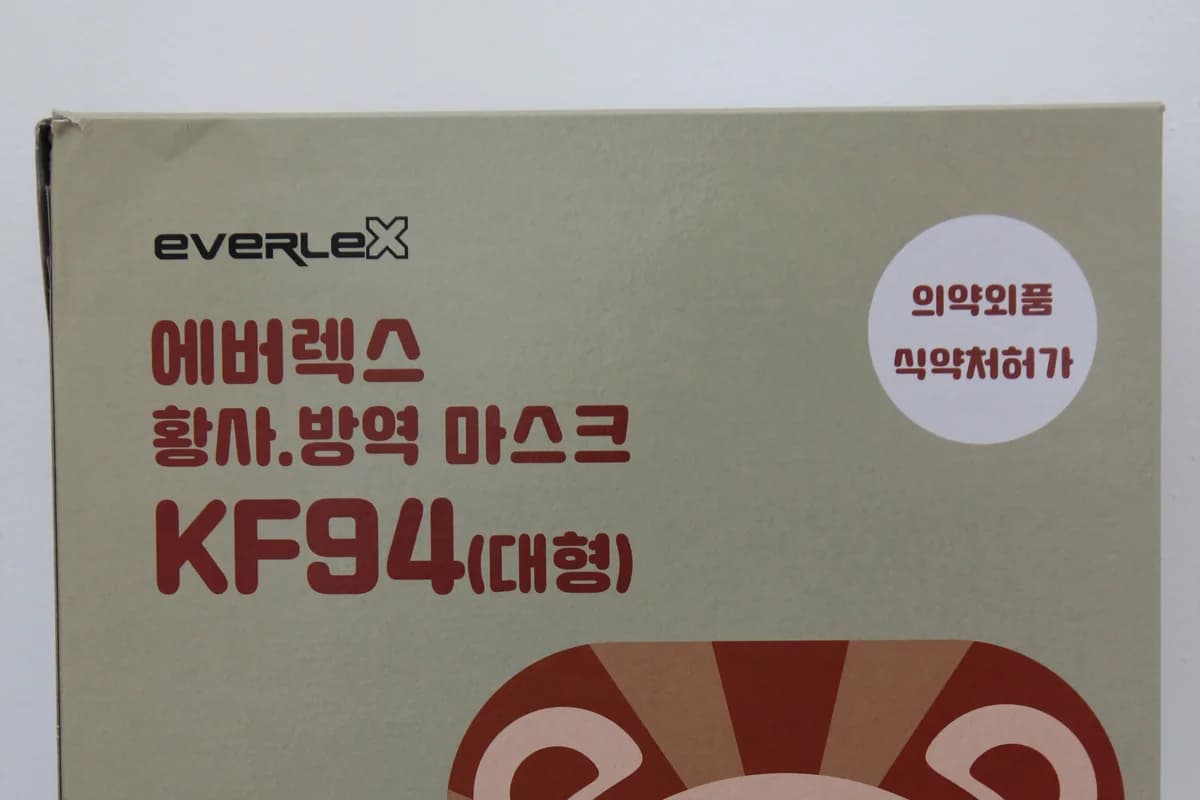
황사 Is Not 미세먼지: What Korea's Air Quality Alerts Actually Mean
English coverage treats yellow dust and fine dust as the same problem. Korea's own forecasters subtract one from the other before publishing. A guide to the two seasons, the alert thresholds, what KF94 actually certifies, and why 'it all comes from China' is a number swap.
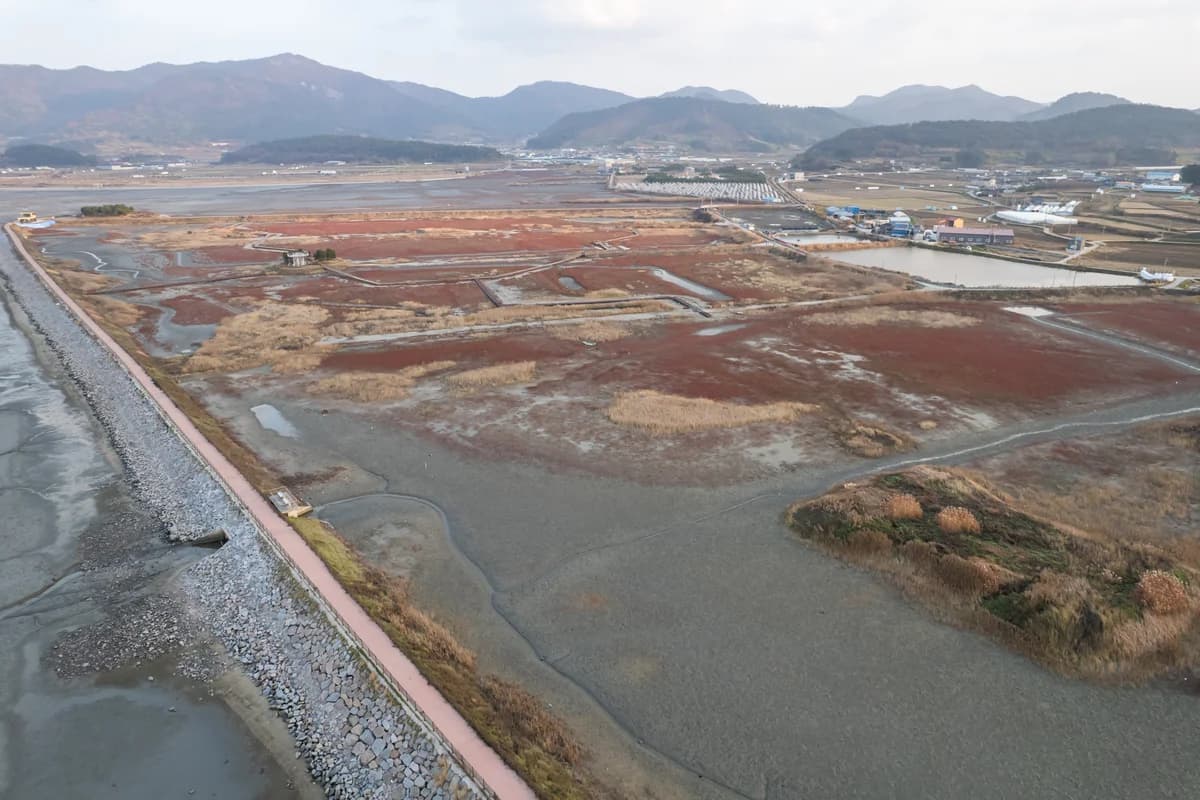
The Mud Korea Decided to Save: Getbol and the UNESCO Vote in Busan
The least Instagrammable thing Korea could nominate — a coastline of mud — is a UNESCO World Heritage site, and on July 25, 2026, in the one year Korea controlled the room, it was made bigger. A guide to getbol: the flats that feed millions of migrating birds, the women who ride wooden sleds across them, and why a country that once paved its tidal flats now enshrines them.
Jjimjilbang for First-Timers: How Korea's Bathhouses Actually Work
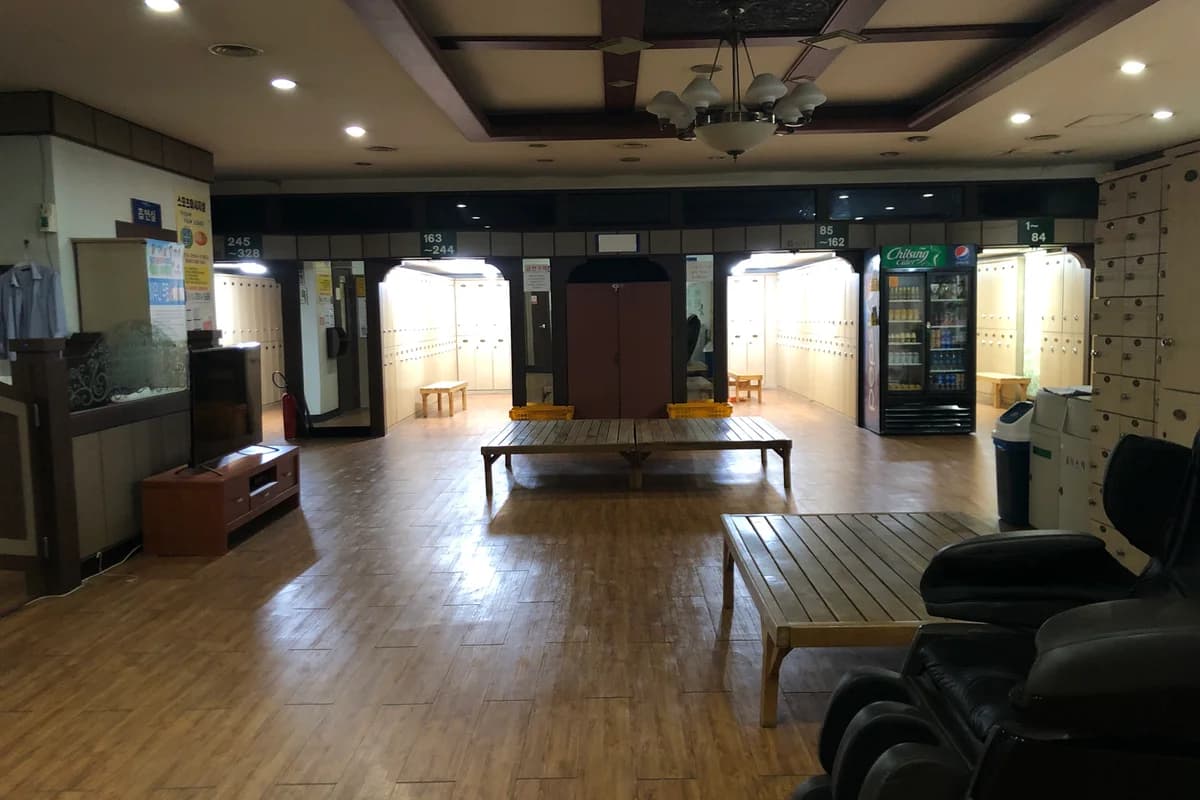
Yes, the bath part is fully nude. No, nobody cares. A step-by-step guide to the Korean spa-sauna-sleepover — the sheep-head towel, the scrub that removes a layer of you, which famous venues have quietly closed — and why the neighborhood bathhouse is disappearing even as the tourist jjimjilbang thrives.
The Weekly Dispatch
Korea, curated. Every week.
The best of K-culture, straight from Seoul. Written by people who actually live here.
Free, no spam, unsubscribe whenever.