Pangyo, Explained: Inside Korea's Silicon Valley
Everybody's heard the nickname; almost nobody can place the city. Pangyo is a planned town in Seongnam where Kakao and half of Korea's game industry go to work — and it's 15 minutes from Gangnam by a subway line built to make exactly that promise. Here's what it actually is, who's really there, and what it tells you about modern Korea.
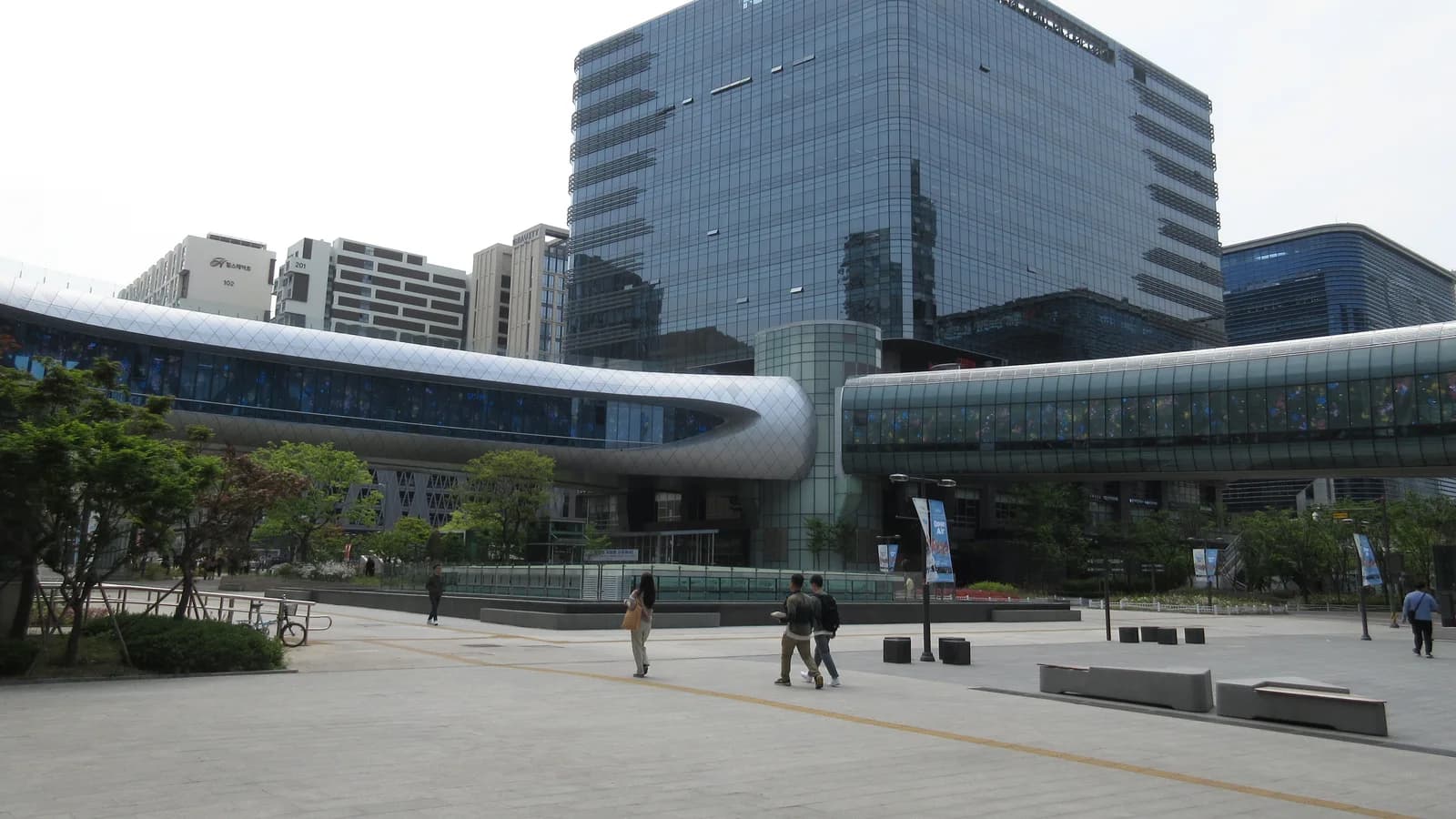
In our map of Greater Seoul's satellite cities, we promised to go one city at a time, starting with "the one everybody's heard of and nobody can place." This is that one.
You've seen the nickname — Korea's Silicon Valley — attached to a place called 판교 (Pangyo). What most people can't tell you is where it is, why it's there, or whether the nickname is marketing or fact. The short answer: it's a planned town about 15 minutes south of Gangnam, it exists almost entirely because the government drew it that way, and the nickname is closer to fact than hype. Here's the long answer.
First, where Pangyo actually is
판교 (Pangyo) is not a city. It's a district inside one. It sits in 삼평동 (Sampyeong-dong), part of 분당구 (Bundang-gu), in the city of 성남시 (Seongnam-si) — just southeast of Seoul, in 경기도 (Gyeonggi Province), well inside Greater Seoul (수도권, Sudogwon).
If you read the pillar, this geography will sound familiar: Seongnam is the city that quietly became the most important non-Seoul address in the country, and it holds two of our satellite cities back to back — Pangyo and Bundang. Pangyo is the newer, tech-money half. Bundang next door is the established, café-and-park half. Same city, two very different moods.
Why Pangyo exists: it's a New Town that grew a tech brain
You cannot understand Pangyo without the word 신도시 (sindosi, "new town") — the same idea the pillar lays out. Korea solves housing shortages by building entire cities from scratch on a drawing board. The first wave went up in the early 1990s (Bundang was the flagship). Pangyo is the famous one from the second generation (2기 신도시) of the 2000s — built farther out, aimed higher up the income ladder.
But Pangyo got a second job the others didn't. Folded into the residential plan was a deliberate innovation district: 판교 테크노밸리 (Pangyo Techno Valley). The project was approved in 2004, construction ran through the latter 2000s, land sales wrapped by 2011, and tech firms started moving in from 2012. So Pangyo is two things stacked on the same ground — a place to live, and a place the state specifically built for companies to cluster. That combination is the whole story.
Pangyo Techno Valley: what it actually is, and who's really there
Here's the part where we have to be careful, because the numbers get repeated loosely and the company names get attached to the wrong places.
The scale (verified). The original Techno Valley covers about 661,000 m² and opened in 2011. As of Gyeonggi Province's most recent survey (released December 2024), the combined 1st-and-2nd valleys hold 1,803 companies and 78,872 employees — and the workforce is strikingly young: roughly 60% are in their 20s and 30s. The industry mix is about 65% IT, 12% biotech, 9% culture-content, and the overwhelming majority — 84% — are small and mid-sized firms, not giants. On money: the most recent figure we can stand behind is ₩167.7 trillion in combined sales for 2022 (the late-2023 survey's number; the 2024 release led with headcount rather than a fresh revenue total, so we won't pretend to a newer figure). For scale's sake, an earlier official figure had the 1st valley alone generating about 22% of Gyeonggi Province's GDP as of 2017.
Who's actually here (verified, and corrected). The anchor everyone names first is Kakao — the company behind the messaging app every Korean uses — headquartered right at Pangyo Station in the Alphadom City complex. Around it sits one of the densest concentrations of game studios on Earth:
- Nexon — Nexon Korea works out of Pangyo. (Its holding company, NXC, is on Jeju Island, not here — a distinction Korean readers will know.)
- NCSOFT — its main working office is the Pangyo R&D Center, built for roughly 3,000 people.
- Krafton — the PUBG company — works out of Krafton Tower, the building rising directly over Pangyo Station.
- Smilegate — the CrossFire / Lost Ark studio — is in the Pangyo area too.
One correction worth making, because it's the most common Pangyo mistake: Naver is not in Pangyo. Korea's "Google" — the Green Factory and the 1784 tower — is next door in 정자동 (Jeongja-dong), in Bundang, not in the Techno Valley. If a guide tells you Naver headquarters is in Pangyo, it's wrong, and we said as much in the pillar. Pangyo is Kakao-and-games; Bundang is Naver.
What it's actually like
The money shows. Pangyo is glassy, new, and expensive — a low skyline of corporate towers, ground-floor cafés, and apartment blocks built for the engineers who fill them. It does not look like old Seoul, because nothing here is old; the whole district is younger than the iPhone.
That's also its limitation, honestly. Pangyo is a place to work and live, not a place built to visit. There's no headline temple, no palace, no old market with a century of patina. What there is: the daily texture of Korea's tech economy — the lunch rush of lanyard-wearing twentysomethings, the café density that follows software salaries, the contrast of brand-new residential towers against the construction cranes still finishing the second valley. If you're the kind of traveler who finds "how a country actually works" more interesting than another photo of a gate, an hour in Pangyo is genuinely informative. If you want sights, this is not your stop — go to Bundang's Jeongja-dong café street one station over instead.
We're not going to invent restaurant or attraction recommendations we can't verify. The honest brief is: come for the idea of the place, eat where the engineers eat (the café and lunch density around Pangyo Station is real), and treat it as a 60–90 minute detour, not a day.
The transit reality
This is the part that makes Pangyo make sense. The 신분당선 (Shinbundang Line) — opened in October 2011 — was built around a single promise it printed on its own marketing: "15 minutes from Gangnam to Pangyo." It runs Korea's fastest subway cars, and the slogan is roughly true in practice (call it 15-ish to 19 minutes depending on the timetable, not a stopwatch guarantee).
That number is the reason the whole thing works. A company can plant itself in the country's tech capital, pay New-Town rents instead of Gangnam rents, and still put its staff in the heart of Seoul before their coffee cools. Getting there yourself is the easy part — it's all one connected subway network, and a single T-money card covers the ride. A Korean map app will route you door to door; Google Maps, as ever in Korea, will not.
Is it worth your time?
For most travelers on a first trip: no, not as a destination — and we'd rather tell you that than pad the itinerary. Pangyo has no must-see, and a guide that pretends otherwise is selling you a glass office park.
For a certain traveler, though — the one who reads the satellite-cities map and thinks "I want to see where Koreans actually live and work, not where they perform for tourists" — Pangyo is one of the most legible places in the country. In one short ride from Gangnam you can stand in the physical answer to "where is Korea's tech economy?" and the answer is: a town the government drew on purpose, filled with young engineers, fifteen minutes from the city, that didn't exist a generation ago.
That's the thing Pangyo really tells you about modern Korea. The country's biggest tech cluster isn't an accident of where talent happened to gather, the way Silicon Valley was. It's a New Town — planned, zoned, subsidized, and wired to Gangnam by a line built for the trip. Korea looked at how innovation districts emerge elsewhere, decided not to wait for one, and built it. Whether that's the future or just a very Korean way of doing things, Pangyo is where you go to see the bet being made.
Next in the series, we head one station over to the city that set the template Pangyo was measured against: Bundang, the New Town that aged into a destination.
—The Editors
Sources: Gyeonggi Province 2024 Pangyo Techno Valley survey release; Pangyo Techno Valley — Wikipedia; Shinbundang Line — Wikipedia; 판교신도시 — 위키백과; 판교테크노밸리 — 나무위키; Korea Herald. Company-office locations cross-checked against each company's own materials. Revenue figure is FY2022 (₩167.7tn combined), the most recent officially surveyed total; we've flagged it as such rather than implying it's current.
Cover: Pangyo Station plaza, photo by Virtual trip — Wikimedia Commons, CC BY-SA 4.0. Card: Pangyo Station name sign, photo by 분당선M — Wikimedia Commons, CC BY-SA 4.0.


Keep Reading
More Stories
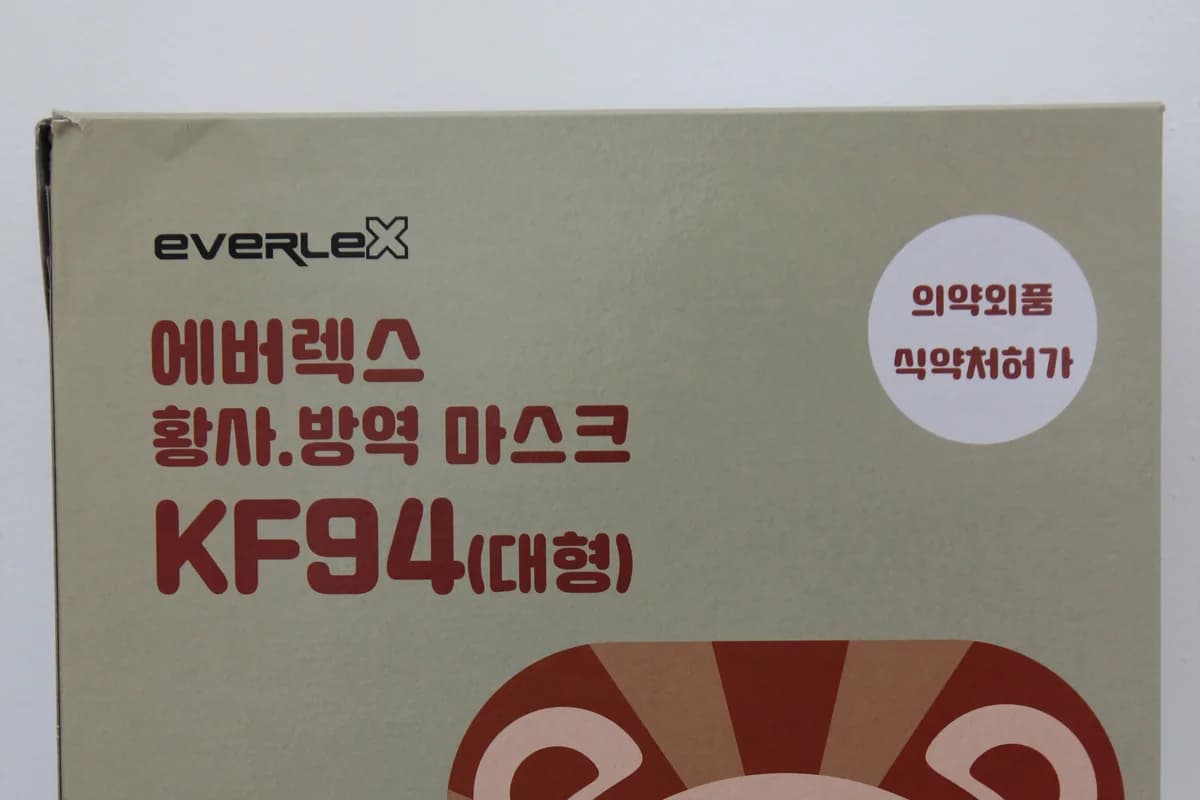
황사 Is Not 미세먼지: What Korea's Air Quality Alerts Actually Mean
English coverage treats yellow dust and fine dust as the same problem. Korea's own forecasters subtract one from the other before publishing. A guide to the two seasons, the alert thresholds, what KF94 actually certifies, and why 'it all comes from China' is a number swap.
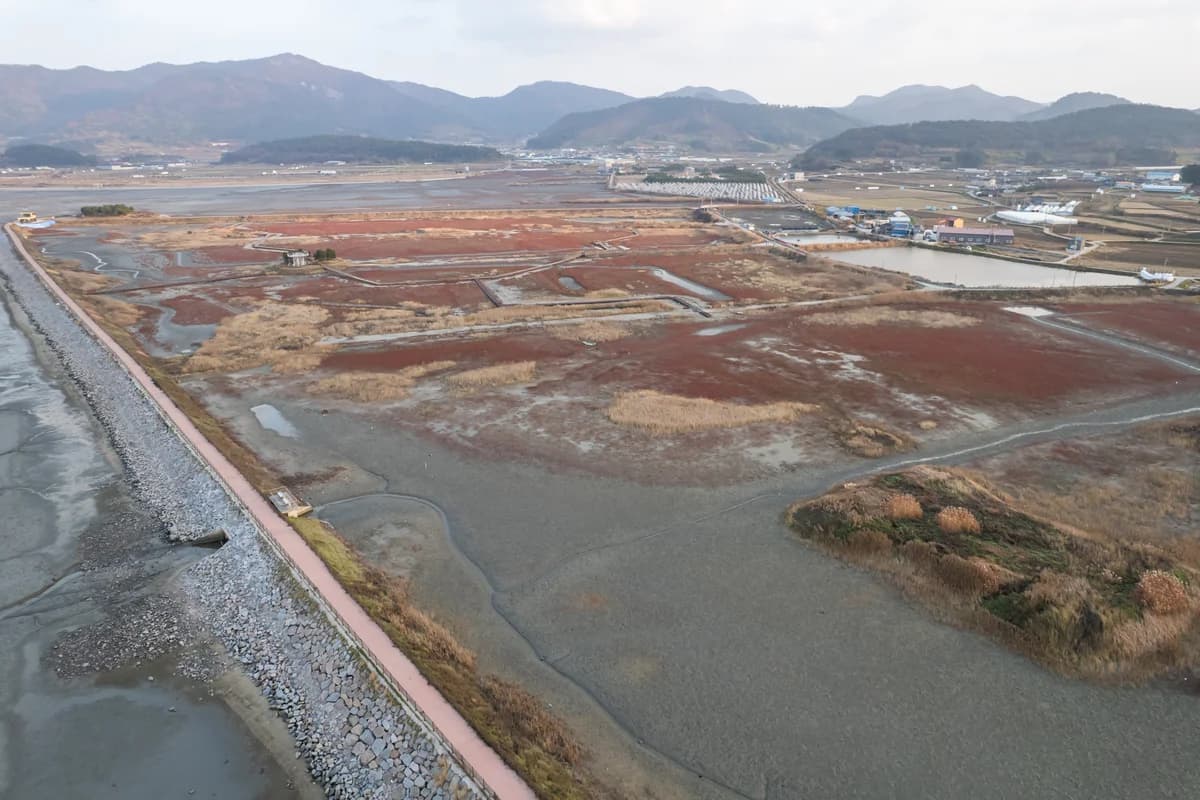
The Mud Korea Decided to Save: Getbol and the UNESCO Vote in Busan
The least Instagrammable thing Korea could nominate — a coastline of mud — is a UNESCO World Heritage site, and on July 25, 2026, in the one year Korea controlled the room, it was made bigger. A guide to getbol: the flats that feed millions of migrating birds, the women who ride wooden sleds across them, and why a country that once paved its tidal flats now enshrines them.
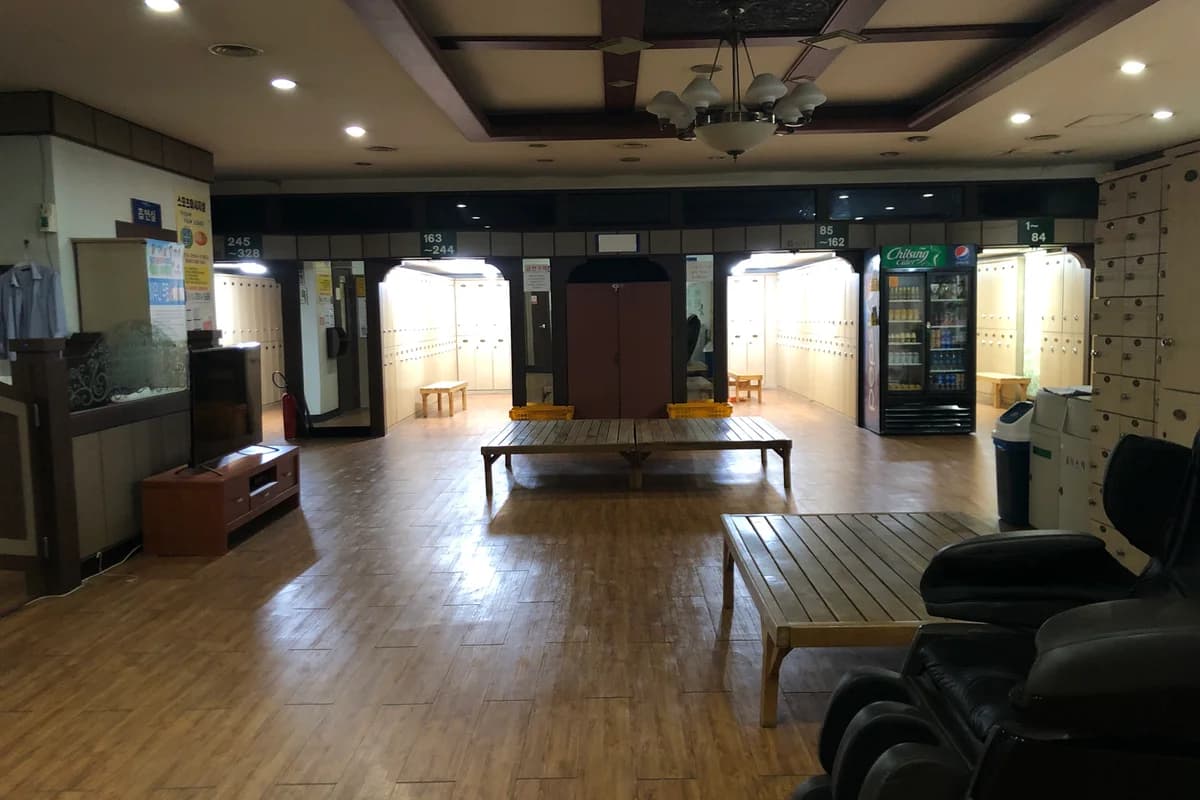
Jjimjilbang for First-Timers: How Korea's Bathhouses Actually Work
Yes, the bath part is fully nude. No, nobody cares. A step-by-step guide to the Korean spa-sauna-sleepover — the sheep-head towel, the scrub that removes a layer of you, which famous venues have quietly closed — and why the neighborhood bathhouse is disappearing even as the tourist jjimjilbang thrives.
The Weekly Dispatch
Korea, curated. Every week.
The best of K-culture, straight from Seoul. Written by people who actually live here.
Free, no spam, unsubscribe whenever.