Do You Tip in Korea? The Honest Answer
Short version: no. Korea doesn't have a tipping culture — not at restaurants, cafes, or taxis — and you're not being rude by not tipping. Here's the honest, reassuring guide: why Korea doesn't tip, the one 'service charge' you'll see and shouldn't panic about, the rare times a tip is okay, and what actually happens if you try.
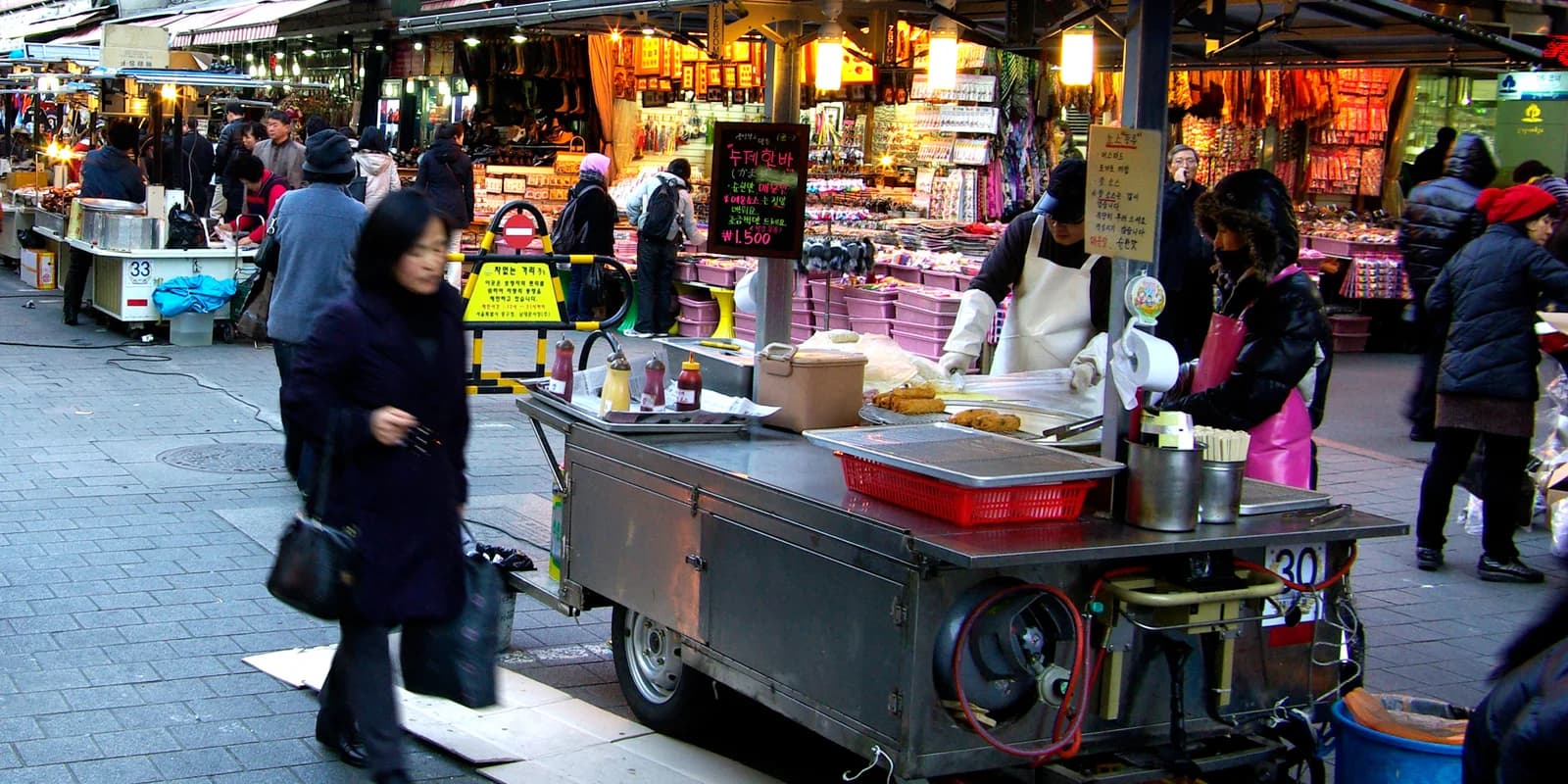
Let's answer the question you came for, right at the top: No — you do not tip in Korea. Not at restaurants, not at cafes, not in taxis, not at your hotel. Tipping simply isn't part of Korean life, no one expects it, and — this is the part anxious travelers need to hear — you are not being rude by not tipping. You can relax. Here's the honest, complete guide, including the few gray areas and the genuinely charming thing that happens if you try to leave money behind.
The Honest Answer in 20 Seconds
| Situation | Tip? |
|---|---|
| Restaurants (incl. Korean BBQ) | ❌ No |
| Cafes | ❌ No |
| Taxis | ❌ No |
| Salons, spas, nail shops | ❌ No |
| Food delivery | ❌ No |
| Private tour guide / driver | ✅ Optional, appreciated |
| Bellhop at a luxury hotel | ✅ Small, optional |
That's the whole map. For the overwhelming majority of your trip, the correct amount to tip is nothing, and the correct thing to do is simply pay the listed price and say thank you.
Why Korea Doesn't Tip
It helps to understand why, because it makes the "no" feel natural instead of stingy.
Good service is considered standard — already included, not an extra you buy. Korean service culture runs on professional pride: excellent service is treated as part of doing the job well, not a favor you reward with cash on top (Korea Times).
Workers earn a real wage, not a tip-dependent one. Unlike the American restaurant model — where servers are paid a sub-minimum wage and need tips to make a living — Korean service staff are paid a proper wage, so tipping never became structurally necessary (Wise).
Koreans value price transparency. The number on the menu is the number you pay. That cultural preference for an honest, all-in price is exactly why, when a few businesses have tried to introduce tipping, the public has pushed back hard (more on that below) (Korea Herald).
"But My Hotel Bill Has a 'Service Charge'?"
Here's the one thing that confuses visitors, so let's clear it up: seeing a service charge is normal, and it is not a tip you need to add to.
By law, listed prices in Korea are already all-in. A 2013 revision to the Food Sanitation Act created a "final price display" rule — menu prices must already include the 10% VAT, with no surprise fees tacked on after you eat (Korea Times).
The exception is at the top end: upscale hotels and some fine-dining or Western restaurants add roughly a 10% service charge plus 10% VAT, usually as separate line items, so your bill lands around 20% above the base price (Wise). The key point for your peace of mind: that service charge is the gratuity, built in and paid to the house. When you see it, you're not underpaying anyone — you tip nothing further.
The Few Times a Tip Is Okay
There are real exceptions, and they're all optional. Keep them modest:
- Private tour guides and drivers. This is the clearest one. Guides who work mainly with international visitors are used to it, appreciate it as a thank-you, and won't be offended if you skip it. A commonly suggested amount is around ₩20,000 for a day — but treat that as a friendly gesture, not a rule (Wise).
- Bellhops and porters at luxury international hotels. A small tip (a few thousand won for luggage) won't cause the confusion it would at a neighborhood restaurant, because high-end hotel staff see a lot of foreign guests.
If you do tip, etiquette guides suggest doing it quietly and with two hands (a Korean sign of respect) — ideally in an envelope — rather than flashing cash, which can put the person on the spot.
What Actually Happens If You Try to Tip
This is the part that tells you everything. Leave money on the table in Korea, and staff won't pocket it — they'll assume you forgot your change and try to give it back. Travel writers love the story of the restaurant owner chasing a customer down the sidewalk to return a 10,000-won note the customer left "by mistake" (Discover Real Korea).
Taxi drivers do the same: on a ₩9,800 fare paid with a ₩10,000 note, the driver will typically try to hand back your ₩200. Offering to pay more than the agreed price tends to produce mild confusion, not gratitude (Wise). The tip isn't declined out of rudeness — it just isn't a concept that fits the transaction.
How to Actually Handle It
A quick cheat sheet so you never have to wonder:
- Restaurants: Just pay the bill — there's no tip line and no jar. You'll usually pay at the counter on your way out, not at the table.
- Taxis: No tip. Drivers return exact change; you don't need to round up. Paying by card or app (the norm) has no tip prompt at all.
- Cafes: No tip-jar culture. A few trendy Western-style cafes have experimented with jars, but they're contested and safe to ignore.
- Delivery: Korea's delivery apps have no in-app tipping, and riders don't wait at the door for extra cash.
- Cash vs card: Korea runs on cards and mobile pay. Cash is the only setting where a "keep the change" gesture even arises — and even then it's rare and reserved for small coins. Grab a T-money card for transit and you'll barely touch cash at all.
Is Tipping Creeping Into Korea?
Honestly? A little is being attempted — and Koreans are resisting it firmly. In 2023, the taxi app Kakao T piloted a "gratitude tip" feature (add ₩1,000–₩2,000 for a five-star ride); it drew heavy public opposition and was never formally rolled out. A handful of restaurants and cafes have floated tip jars or optional-tip prompts — a famous Seoul bakery added a tip jar and pulled it after online backlash — but each attempt has met the same pushback (Korea Times, SCMP).
The legal picture explains why it's a social fight, not a legal one: forcing a mandatory charge on top of the listed price is illegal under the final-price rule, a customer choosing to tip is legal, and tip jars sit in the gray middle. Koreans point nervously to how delivery fees — once uncommon — quietly became normal after around 2018, and worry tipping could sneak in the same way. For now, it hasn't. As a visitor, you can comfortably keep doing what locals do: not tip.
The Bottom Line
Do you tip in Korea? No — and that's genuinely one less thing to stress about on your trip. Pay the listed price, enjoy service that's included by design, and if a hotel bill shows a service charge, know it's already handled. The only real exception is an optional thank-you to a private guide. Everywhere else, the kindest, most correct thing you can do is simply say 감사합니다 (gamsahamnida) — thank you — and be on your way. For more of what first-timers get right and wrong, see our guides to 12 things tourists get wrong about Korea and planning a first trip to Seoul. And if there's one place money etiquette in Korea gets genuinely intricate, it's not the restaurant — it's the wedding hall: how much cash goes in the envelope.
The no-tipping norm, the 2013 final-price-display rule, the hotel service-charge convention, and the recent (and resisted) attempts to introduce tipping are drawn from the linked sources, including the Korea Times, Korea Herald, SCMP, and Wise. Suggested tip amounts and tipping etiquette are advisory travel-guide figures, not fixed standards. Images: homepage/hero — a Korean banchan meal by makafood, Pexels; cover — a Seoul street-food stall by LinasD; listing card — Seoul taxis by Ilya Plekhanov — both CC BY-SA 4.0, via Wikimedia Commons.


Keep Reading
More Stories
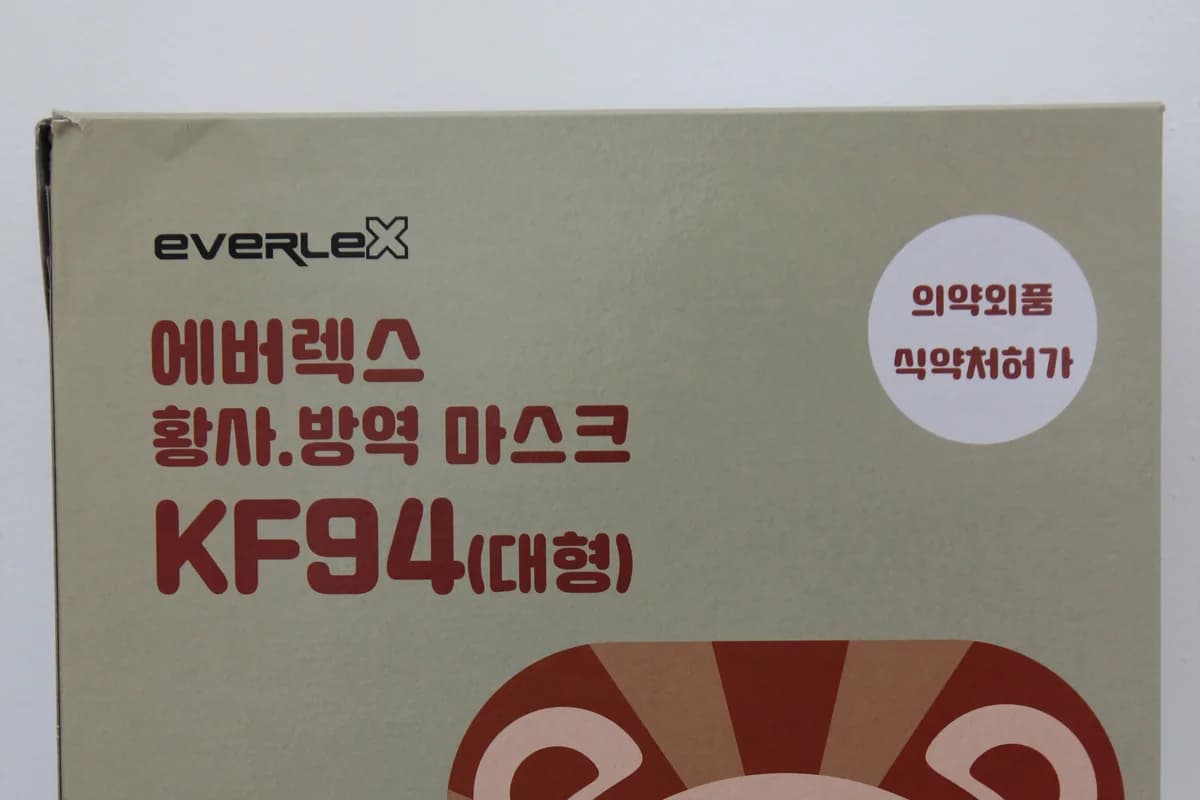
황사 Is Not 미세먼지: What Korea's Air Quality Alerts Actually Mean
English coverage treats yellow dust and fine dust as the same problem. Korea's own forecasters subtract one from the other before publishing. A guide to the two seasons, the alert thresholds, what KF94 actually certifies, and why 'it all comes from China' is a number swap.
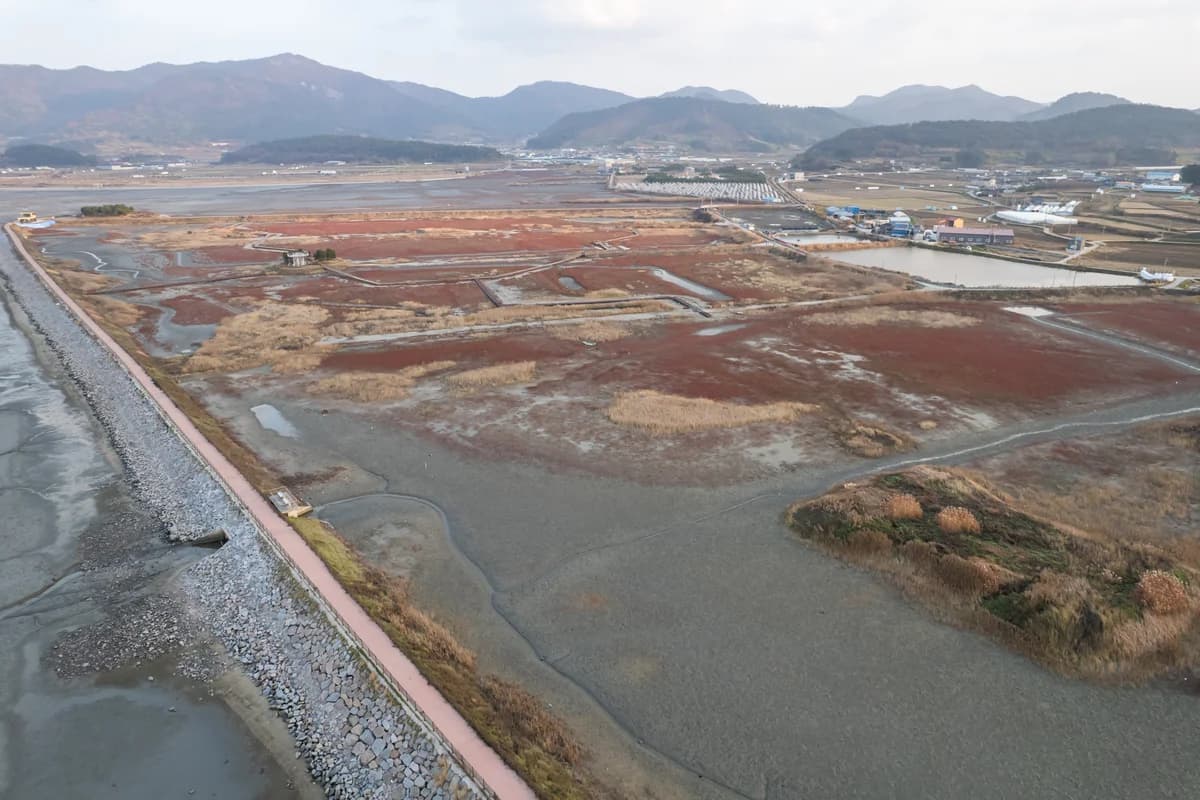
The Mud Korea Decided to Save: Getbol and the UNESCO Vote in Busan
The least Instagrammable thing Korea could nominate — a coastline of mud — is a UNESCO World Heritage site, and on July 25, 2026, in the one year Korea controlled the room, it was made bigger. A guide to getbol: the flats that feed millions of migrating birds, the women who ride wooden sleds across them, and why a country that once paved its tidal flats now enshrines them.
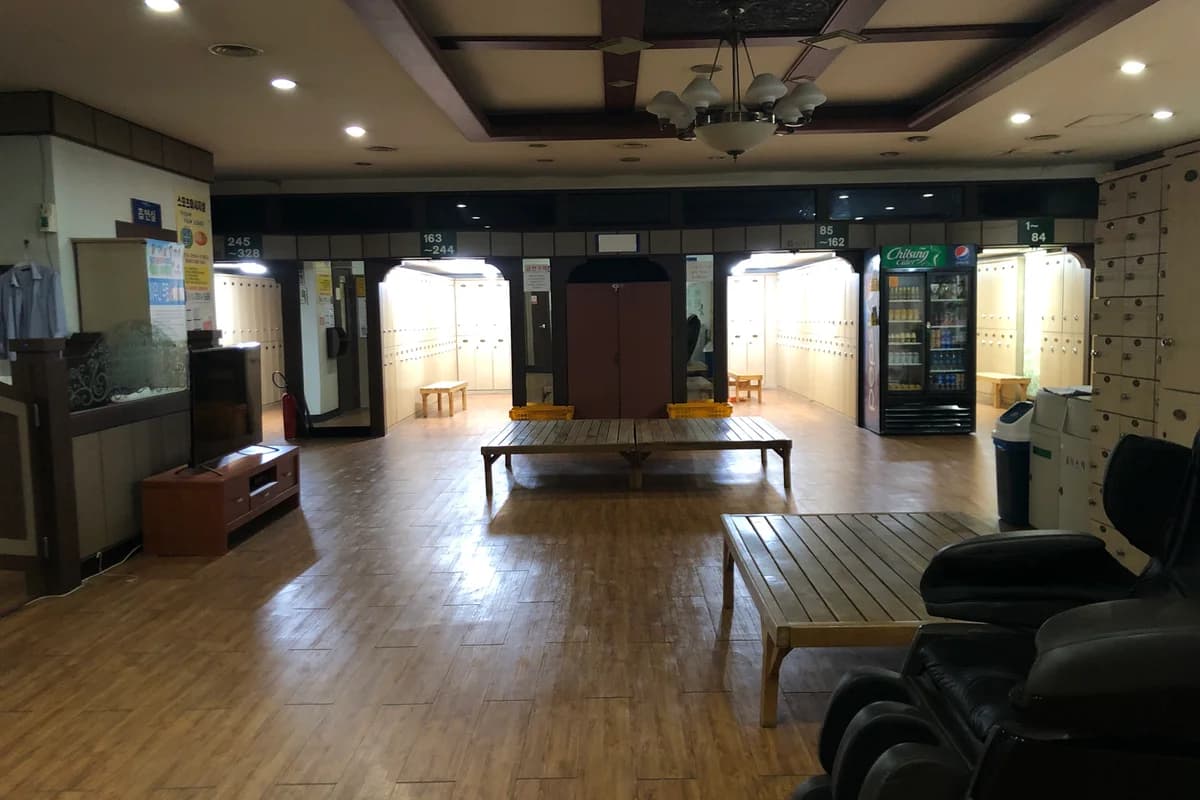
Jjimjilbang for First-Timers: How Korea's Bathhouses Actually Work
Yes, the bath part is fully nude. No, nobody cares. A step-by-step guide to the Korean spa-sauna-sleepover — the sheep-head towel, the scrub that removes a layer of you, which famous venues have quietly closed — and why the neighborhood bathhouse is disappearing even as the tourist jjimjilbang thrives.
The Weekly Dispatch
Korea, curated. Every week.
The best of K-culture, straight from Seoul. Written by people who actually live here.
Free, no spam, unsubscribe whenever.