Greater Seoul, Explained: The Satellite Cities Where Koreans Actually Live
Most of 'Seoul' isn't Seoul. The capital tourists visit is the small bright center of a metro region of 26 million — and the planned cities ringing it, Pangyo to Ilsan, are where ordinary Korean life actually happens. Here's the map nobody hands you.
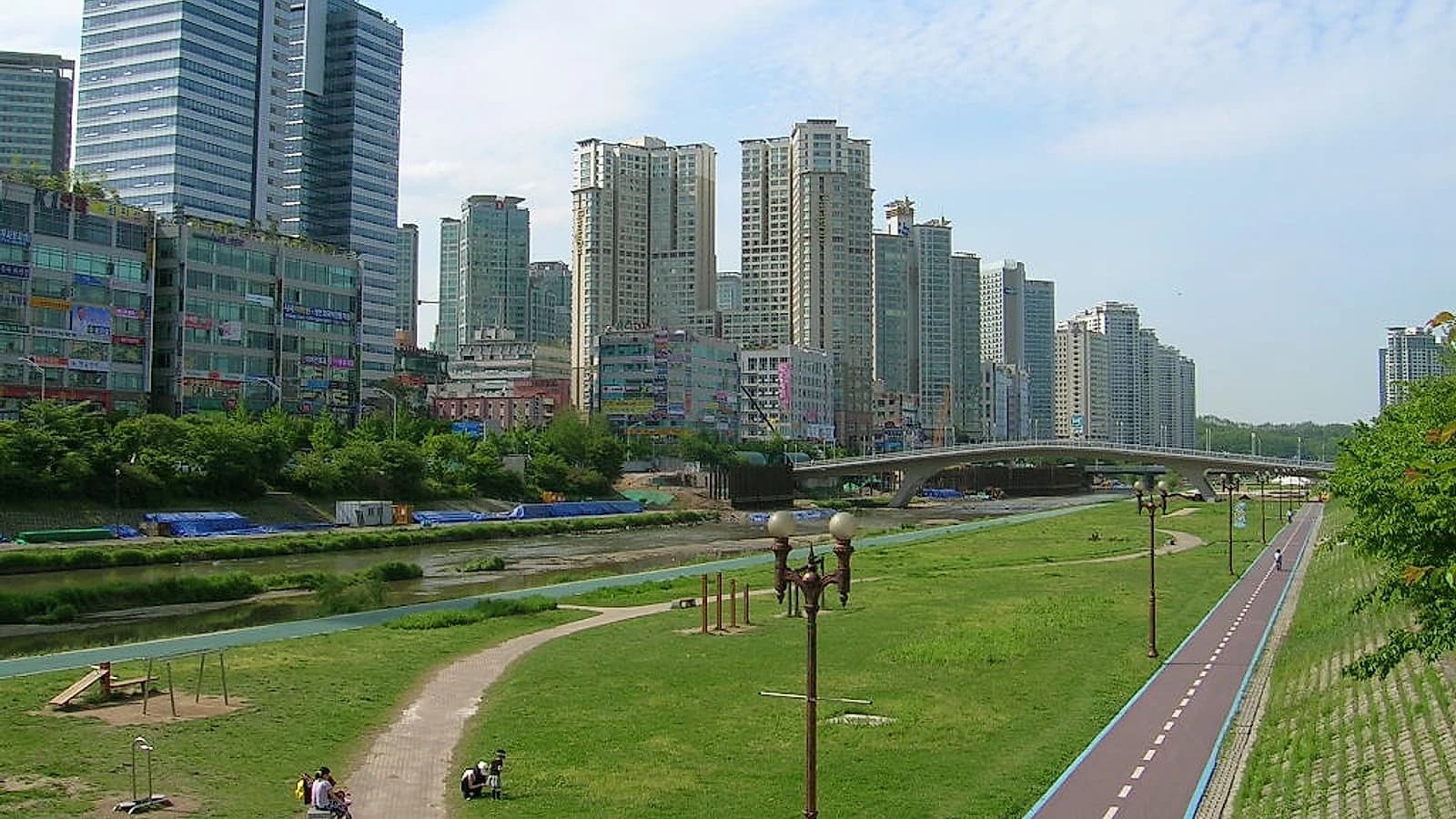
Here is the thing almost every Seoul guide quietly gets wrong: it treats "Seoul" as the whole story. Gyeongbokgung, Myeongdong, Hongdae, Gangnam, the airport, done.
But the city proper — about 9.5 million people — is just the bright center of something much bigger. The Seoul Capital Area (수도권, Sudogwon) — Seoul plus Incheon plus Gyeonggi Province — holds roughly 26 million people, about half the entire country. And most of them don't live in Seoul. They live in the ring of planned cities around it, commute in on some of the best public transit on Earth, and commute back out to where the apartments are newer, the parks are bigger, and the rent makes sense.
Those cities are where actual Korean life happens. They almost never make an English itinerary — which is exactly why they're interesting. This is the overview. We'll do a full deep-dive on each one over the coming weeks; consider this the map.
First: what is a 신도시 (New Town)?
You cannot understand Greater Seoul without the word 신도시 (sindosi, "new town").
In the late 1980s, Seoul had a housing crisis — too many people, not enough homes, prices climbing out of reach. The government's answer was radical: build five entire cities from scratch, on greenfield land within about 25 km of central Seoul, and move hundreds of thousands of families into them at once.
Those five first-generation New Towns (1기 신도시), all built in the early 1990s, were Bundang, Ilsan, Pyeongchon, Sanbon, and Jungdong. They weren't suburbs in the American sense — no cul-de-sacs and lawns. They were dense, deliberate, apartment-tower cities with their own schools, subways, parks, and downtowns, designed on a drawing board and delivered in a few short years.
They worked well enough that Korea did it again. A second generation (2기 신도시) followed in the 2000s — Pangyo is the famous one — built farther out and aimed higher up the income ladder. Today these are not overflow dormitories; they're mature, full-fledged cities, several of them wealthier and better-planned than the parts of Seoul that tourists actually visit.
Here's the cast.
The satellite cities at a glance
| City | Where | Best known for | To Seoul | The vibe |
|---|---|---|---|---|
| Pangyo 판교 | Seongnam | "Korea's Silicon Valley" | ~15 min to Gangnam | New tech money |
| Bundang / Jeongja 분당·정자 | Seongnam | The original premium New Town | ~20 min to Gangnam | Polished, established |
| Ilsan 일산 | Goyang | Lake Park, KINTEX, broadcasting | ~16 min to Seoul Stn (GTX) | Leafy family suburbia |
| Gwacheon 과천 | Gwacheon | Zoo, art museum, racecourse | ~30 min on Line 4 | Green and low-rise |
| Bucheon 부천 | Bucheon | Comics, film festival, literature | ~30 min on Line 1/7 | Dense and cultural |
| Anyang / Pyeongchon 안양·평촌 | Anyang | Academy belt + art park | ~30 min on Line 4 | Study-hard suburbia |
| Gimpo 김포 | Gimpo | New riverside town, old airport | ~40 min via Gold Line | Young, growing, crowded |
Every one of these is in Gyeonggi Province, the territory that wraps almost entirely around Seoul. Now the detail.
The tech belt: Pangyo & Bundang (Seongnam)
The city of Seongnam (성남시), just southeast of Seoul, quietly became the most important non-Seoul address in the country. It contains two of our cities back to back.
판교 Pangyo — Korea's Silicon Valley
If you've heard one of these names, it's probably this one. Pangyo Techno Valley is, by general agreement, Korea's most successful tech cluster — routinely called "Korea's Silicon Valley." Kakao (the company behind the messaging app every Korean uses) is headquartered here, alongside a dense roster of the country's biggest game studios — Nexon, NCsoft, Krafton, Smilegate — and a thick layer of startups, venture funds, and biotech.
The money shows. Pangyo is glassy, new, and expensive, full of young engineers and the cafés, restaurants, and apartment towers that follow them. It's the closest thing Korea has to a purpose-built innovation district.
And it's astonishingly close to Gangnam: the Shinbundang Line runs the route on the line's own promise of "15 minutes from Gangnam to Pangyo." You can work in the country's tech capital and be in the heart of Seoul before your coffee cools.
→ Full deep-dive: Pangyo, Explained: Inside Korea's Silicon Valley.
분당 Bundang & 정자동 Jeongja — the original premium New Town
Right next to Pangyo sits Bundang, the flagship of the first-generation New Towns and, for thirty years, the benchmark every other planned city in Korea gets measured against. When Koreans picture a New Town done right — wide boulevards, mature trees, good schools, a stream running through the middle — they're often picturing Bundang.
Its most famous neighborhood is Jeongja-dong (정자동), home to Naver's headquarters (the Green Factory and the striking Naver 1784 tower — so yes, Korea's "Google" is here, not in Pangyo) and the Jeongja-dong Café Street (정자동 카페거리), a riverside strip of cafés and restaurants that's one of the area's nicest evening walks. Bundang is affluent, settled, and green — the suburb that aged into a destination.
→ Full deep-dive: Bundang & Jeongja, Explained: The New Town That Aged Into a Destination.
The lake city: 일산 Ilsan (Goyang)
Swing to the northwest and you reach Ilsan, the New Town built into the city of Goyang (고양시) — large enough that it's split into two districts, Ilsandong-gu and Ilsanseo-gu. Where the Seongnam cities lead with money and tech, Ilsan leads with space.
Its centerpiece is Ilsan Lake Park (일산호수공원), built around what's billed as Korea's largest man-made lake — a genuinely huge green ribbon of water, walking paths, and seasonal flower festivals that locals treat as their backyard. Next to it sits KINTEX, Korea's largest convention and exhibition center, which pulls in the country's biggest trade shows and concerts. Ilsan is also a quiet broadcasting hub — studios and Hallyu-adjacent production facilities cluster on its edge.
The transit story here changed dramatically. Ilsan has always had Line 3 and the Gyeongui–Jungang Line, but in December 2024 the GTX-A express line opened, and it rewrote the math: Kintex to Seoul Station now takes about 16 minutes, a trip that used to eat an hour. Ilsan went from "far" to "closer than half of Seoul" overnight.
The culture ring: 과천 Gwacheon & 부천 Bucheon
Two very different cities, both of which punch far above their size on culture.
과천 Gwacheon — the green one with the high art
Tiny Gwacheon (과천시), tucked just south of Seoul behind Gwanaksan mountain, is the day-trip the city forgets it has. In one compact, leafy place you get Seoul Grand Park (and the Seoul Zoo inside it), Seoul Land (a full amusement park), the MMCA Gwacheon — the sprawling, nature-set branch of the National Museum of Modern and Contemporary Art, open since 1986 — and LetsRun Park Seoul, the city's horse-racing park. It's also a government town, home to the Gwacheon Government Complex. Low-rise, green, and well-off, it's about 30 minutes out on Line 4, and it's the antidote to the idea that Greater Seoul is all apartment towers.
부천 Bucheon — comics, film, and books
Bucheon (부천시), wedged between Seoul and Incheon, has spent two decades branding itself a city of culture — and unlike most cities that try, it earned the paperwork. Bucheon is a UNESCO City of Literature (designated October 2017, the first in Asia). It hosts BIFAN, the Bucheon International Fantastic Film Festival — Korea's premier genre-film festival, running since 1997 — and it's the home of the Korea Manhwa Museum (한국만화박물관), the national museum of Korean comics, the art form that became the global webtoon boom. Dense, unpretentious, and creative, it's a 30-minute ride on Line 1 or Line 7. (Fun structural note: the first-generation Jungdong New Town is part of Bucheon.)
The academy town: 안양 & 평촌 Pyeongchon
South of Seoul, the city of Anyang (안양시) contains the Pyeongchon (평촌) New Town — another of the original five. Pyeongchon is best known to Korean parents for something very specific: its academy district (평촌 학원가), one of the Seoul area's major clusters of hagwon, the private after-school academies that anchor Korean education. It's shorthand for serious studying, in the same breath as Daechi-dong.
Anyang balances all that homework with art. Anyang Art Park (안양예술공원) is an open-air park threaded with 50-plus sculptures and installations by Korean and international artists — a genuine "museum without a roof" set against a forested hillside. The area runs on Line 4 (Pyeongchon, Beomgye) and Line 1, roughly 30 minutes from central Seoul.
The western frontier: 김포 Gimpo
Out to the west, Gimpo (김포시) is the youngest story on this list — a fast-growing riverside city built around the Gimpo Hangang New Town (한강신도시), drawing young families priced out of Seoul with newer apartments and Han River views.
Gimpo comes with one of Korea's great geography riddles. Gimpo International Airport — Seoul's second airport — is not actually in Gimpo. It sits in Seoul's Gangseo-gu; the airport simply predates the modern boundaries and lent its name to the neighboring city, which kept it. Gimpo the city is served by the Gimpo Gold Line, a light-metro line opened in September 2019 that runs to Gimpo Airport, where you transfer to Line 9 or the airport rail for the rest of the way in. It's the longest haul on this list — and the Gold Line's rush-hour crowds are locally infamous — but it's also where a lot of Greater Seoul's growth is heading next.
So where would you actually go?
If you only know Seoul-the-tourist-city, the satellite cities reframe the whole place. They're where you see how Koreans actually live when they're not performing for a guidebook — and a few are genuinely worth a half-day of a longer trip:
- For a day trip with kids or art: Gwacheon — zoo, amusement park, and a major art museum in one green pocket.
- For comics, film, and a creative city: Bucheon.
- For a lakeside afternoon and a sense of New Town life: Ilsan, now 16 minutes out on the GTX.
- For the polished, café-and-park version of suburban Korea: Bundang and Jeongja.
- For understanding where Korea's tech economy actually sits: Pangyo.
Getting to any of them is the easy part — it's all one connected subway and rail network, and a single T-money card covers the lot. A good Korean map app will route you door to door. And if you want the in-the-city version of this same "skip the tourist set" instinct, start with where locals actually eat in Seoul and what we'd tell a first-timer.
This is the overview. Next, we go one city at a time — starting with the one everybody's heard of and nobody can place: Pangyo, Korea's Silicon Valley.
Keep Reading
More Stories
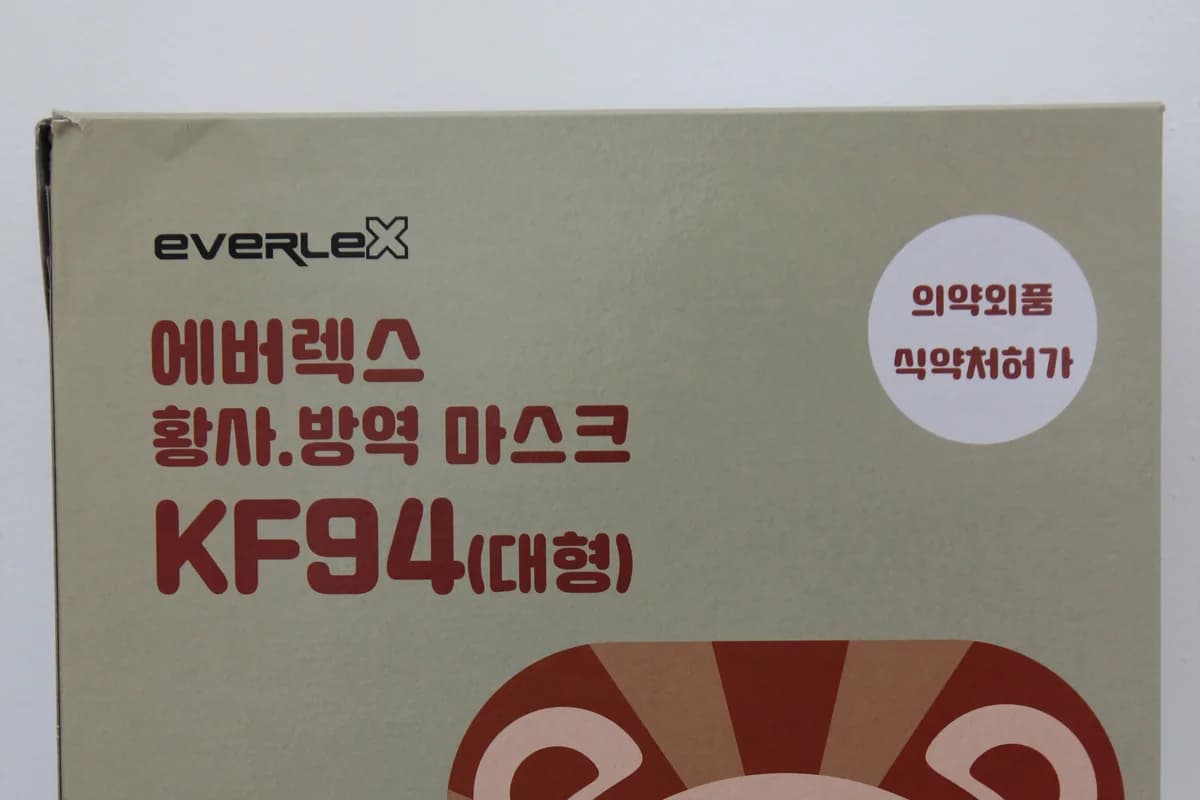
황사 Is Not 미세먼지: What Korea's Air Quality Alerts Actually Mean
English coverage treats yellow dust and fine dust as the same problem. Korea's own forecasters subtract one from the other before publishing. A guide to the two seasons, the alert thresholds, what KF94 actually certifies, and why 'it all comes from China' is a number swap.
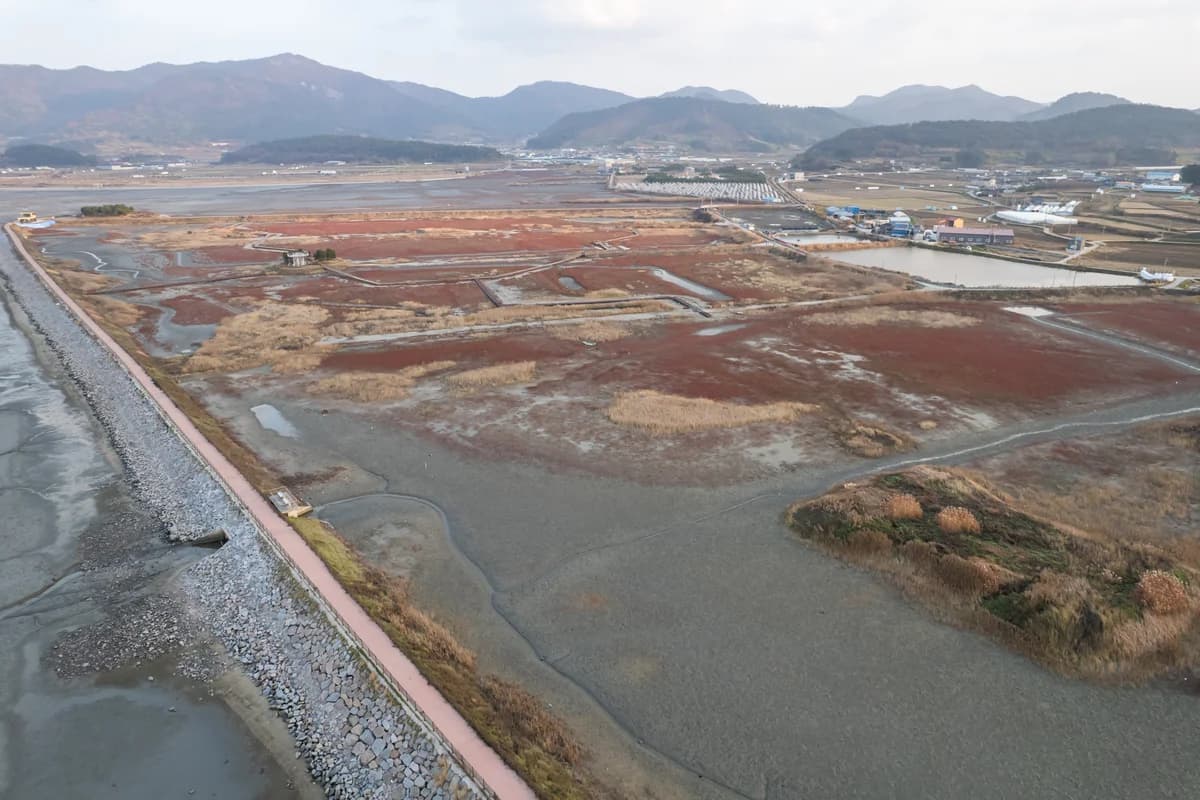
The Mud Korea Decided to Save: Getbol and the UNESCO Vote in Busan
The least Instagrammable thing Korea could nominate — a coastline of mud — is a UNESCO World Heritage site, and on July 25, 2026, in the one year Korea controlled the room, it was made bigger. A guide to getbol: the flats that feed millions of migrating birds, the women who ride wooden sleds across them, and why a country that once paved its tidal flats now enshrines them.
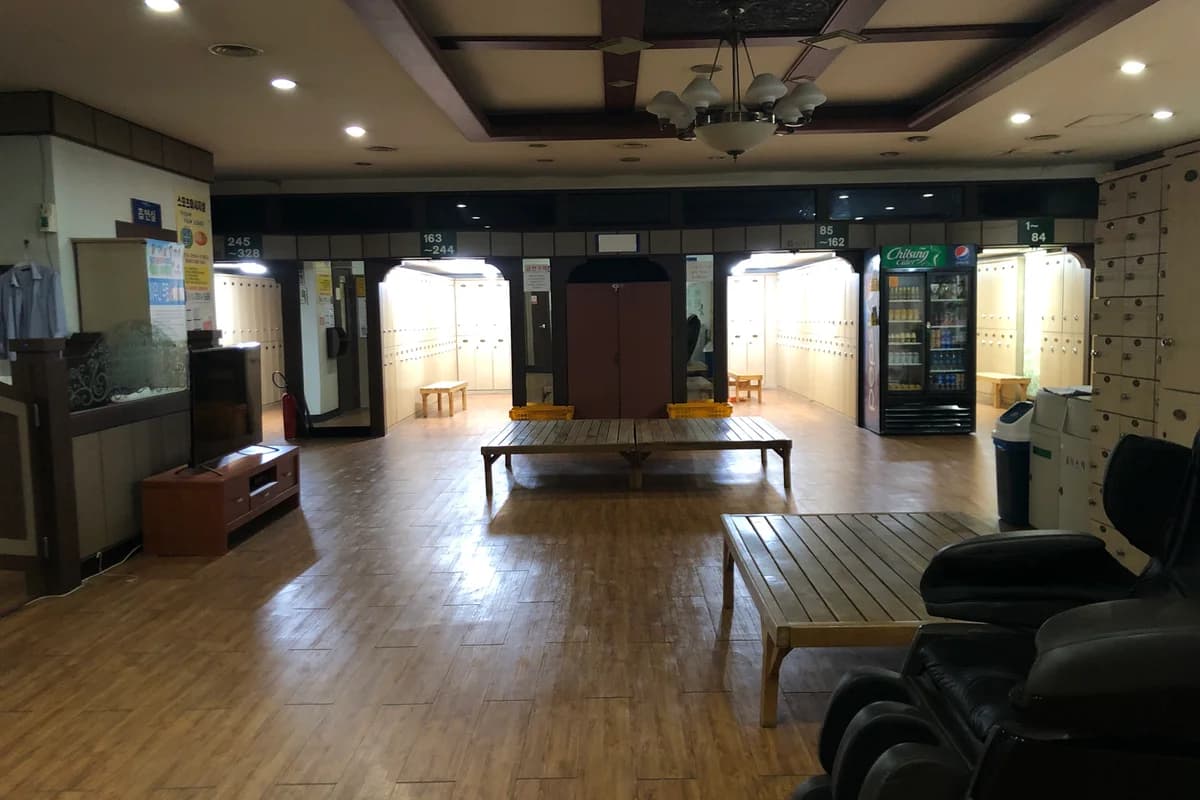
Jjimjilbang for First-Timers: How Korea's Bathhouses Actually Work
Yes, the bath part is fully nude. No, nobody cares. A step-by-step guide to the Korean spa-sauna-sleepover — the sheep-head towel, the scrub that removes a layer of you, which famous venues have quietly closed — and why the neighborhood bathhouse is disappearing even as the tourist jjimjilbang thrives.
The Weekly Dispatch
Korea, curated. Every week.
The best of K-culture, straight from Seoul. Written by people who actually live here.
Free, no spam, unsubscribe whenever.