Korea's World Cup Meltdown: How a 1–0 Loss Became a National Reckoning
Most countries treat a group-stage exit as a bad week. Korea treated it as a scandal of state. Within days of crashing out of the 2026 World Cup, the coach had resigned, the captain had issued a wrenching apology, the federation chief was gone, police were investigating, and the president himself had demanded a probe. Here's why a football result became a national reckoning — and what it says about how Koreans read fairness.
In most of the world, a national team's group-stage exit from the World Cup is a disappointment — a few days of grumbling, a think-piece or two, and then everyone moves on. In Korea, the 2026 exit became something closer to a national emergency. Within a week of the final whistle, the head coach had resigned in disgrace, the captain had posted an anguished public apology, the football federation's president was on his way out, police were investigating how the coach had been hired in the first place — and the president of the country had gone on record demanding a government inquiry.
That disproportion is the whole story. A 1–0 loss does not, in a normal country, summon the head of state. To understand why it did here, you have to understand that Koreans don't read the national team as just a team. They read it as a mirror of whether the country's institutions are fair — and in 2026, the reflection was ugly.
The 1–0 That Broke a Nation
The tournament started well enough. Korea beat the Czech Republic 2–1 on June 11, then lost 1–0 to Mexico on June 18, setting up a decisive final group game against South Africa on June 24 — a match Korea needed at least to draw (Wikipedia, ESPN). They lost it 1–0, finished third in the group, and were eliminated — Korea's third group-stage exit in four World Cups (SCMP).
It was not, on paper, a humiliation of historic proportions. It was a mediocre tournament by a team that has qualified for eleven straight World Cups. But the manner of it — and one decision in particular — turned disappointment into fury.
The Benching That Became a Betrayal
For the must-win South Africa game, coach Hong Myung-bo did the unthinkable: he benched captain Son Heung-min, Korea's greatest-ever footballer and its talisman. It was the first World Cup match Son had not started since his debut back in 2014. The stated reasoning was tactical — Son's attacking output across the first two games had been low — and he was sent on at halftime. Korea lost anyway, and Hong later admitted he would not make the same call again (ESPN, World Soccer Talk).
Son's response landed like a national gut-punch. In an Instagram message on June 30, he wrote that he was "indescribably… hurt," that "the child's dream stage has collapsed," and that rather than trying to explain everything in words, he would "do everything I can, from my position, to win back the hearts of the South Korean people." He also asked fans to offer the younger players "warm support" rather than criticism (ESPN, Korea Times). When the most beloved athlete in the country apologizes for being benched, the story stops being about a scoreline.
Why a Football Result Became a Government Matter
Here's the cultural key. The Korean word for the national team is 국가대표 (gukga daepyo) — literally "national representatives." The players don't just play for the nation; in the language itself, they represent it. So when the team fails, it doesn't feel like a sports result — it feels like a failure of the nation's institutions to field its best, fairly chosen.
And that is exactly the nerve 2026 hit. The rage was never really "we lost." It was "we lost because the system that picked our leaders is rigged by insiders" — the same suspicion of cronyism and closed cliques that Koreans bring to chaebol favoritism and political appointments. The national team became a referendum on merit versus connections. That's why it summoned a president.
A President Weighs In
President Lee Jae-myung did something almost no head of state does over a football result: he publicly called on the sports ministry to investigate both the team's failure and the process by which Hong had been hired. He said he felt "not just confusion but utter bewilderment," and framed the whole affair as a fairness failure. His most quoted line — translations vary by outlet — ran roughly: "When favoritism and cronyism take precedence over competence in choosing a commander, the result is as predictable as fire burning paper" (Yahoo Sports, ESPN).
Coach Hong resigned on June 28, barely a day after elimination was confirmed, at a press conference in Guadalajara. "The position of head coach," he said, "is one in which responsibility is so great that no explanation is necessary when the results fall short" (ESPN, Korea Herald). It was the second time Hong had coached Korea out of a World Cup at the group stage, after 2014.
The Cartel Behind the Crest
The president's "cronyism" jab wasn't rhetorical — it pointed at a real, documented mess. This is where the story connects to the one we told in why Korea turned on Hong Myung-bo: his 2024 appointment was widely seen as an inside job. The committee that was supposed to choose the coach had been bypassed; the culture ministry found procedural violations, and a Seoul court ultimately ruled the appointment unlawful (The Standard/Reuters, Rappler/Reuters).
At the center sat the Korea Football Association (대한축구협회) and its long-serving president, Chung Mong-gyu — who is, tellingly for our readers, a scion of the Hyundai founding family. Police are examining complaints that the coach hire was rigged, and on July 6, 2026, Chung stepped down after 13 years in charge (SCMP, The Standard/Reuters). The word Koreans reached for again and again was 카르텔 (kareutel, "cartel") — the same loaded term used for insider cliques rigging the game in politics and business. A national team, it turned out, could be captured the same way anything else could.
From 2002 to This
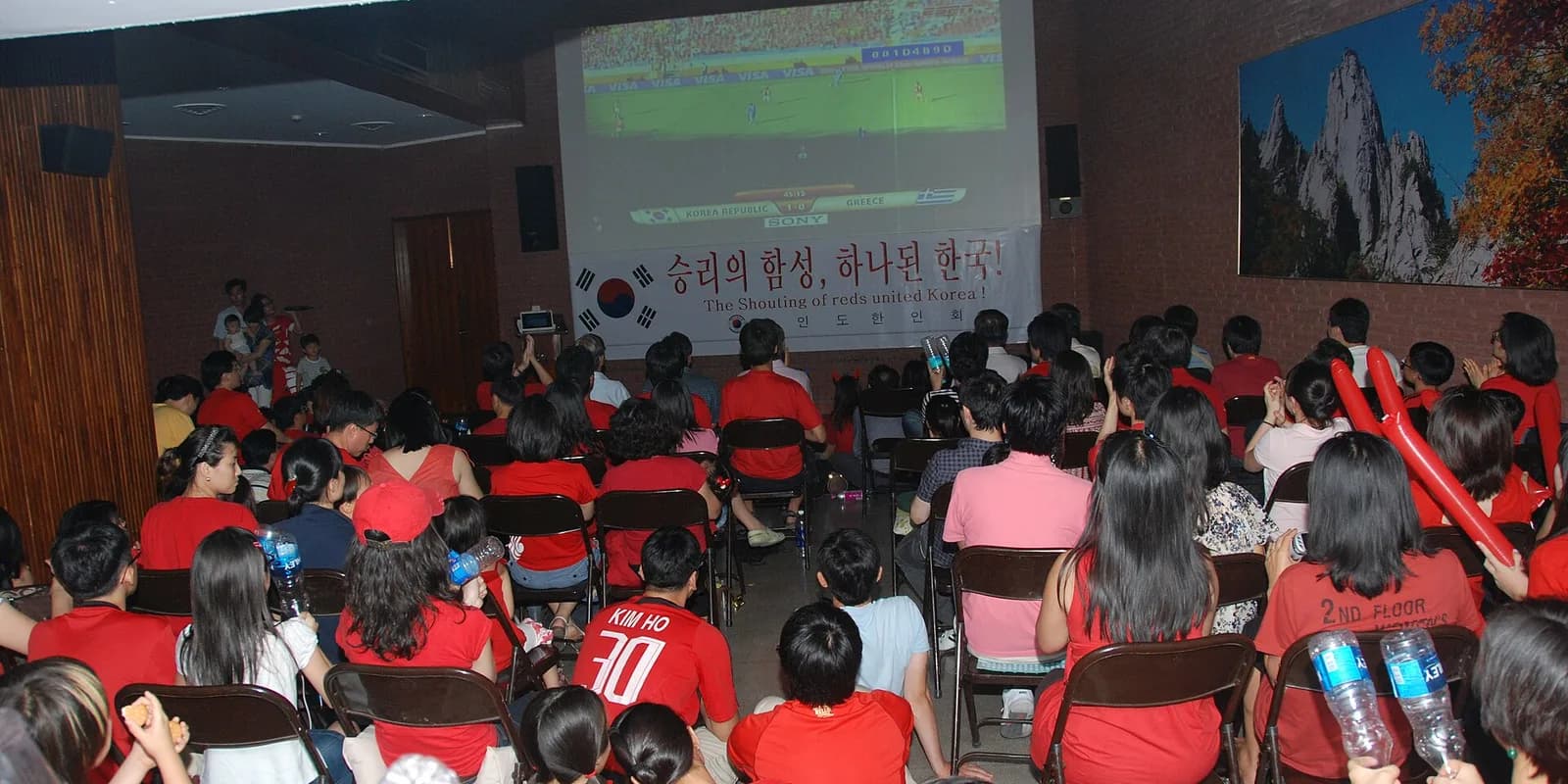
To feel why the fall hurt so much, remember the height. In 2002, co-hosts Korea reached the World Cup semifinals, and the streets filled with millions of red-clad supporters — the 붉은악마, the "Red Devils" — in the euphoric national party we described in why Korea loses its mind for the World Cup. That tournament is the emotional baseline every Korean World Cup is measured against.
2026 is its exact inversion: not a nation united in the streets, but a nation turned on its own federation. The same passion that produced 2002's joy produced 2026's rage — because it comes from the same place, the belief that the team is supposed to represent the country's best self.
A Leaderless Team
As of early July, Korea was, remarkably, a football nation with almost no one in charge: no head coach, no federation president, a police investigation open, and talk of a parliamentary hearing to come. The squad flew home to a reception that was less "welcome back" than "explain yourselves."
It will pass, as these things do — a new coach will be named, qualifying will resume, and Son Heung-min, now rebuilding his club career in Los Angeles, will pull on the captain's armband again. But the 2026 meltdown will linger as a case study in something bigger than sport: a country that cares so much about fairness that it will convene the machinery of the state over a game — and a reminder that in Korea, the national team is never just a team.
Match results, dates and the status of the investigations are current as of early July 2026 and continue to develop. Statements by officials are quoted as reported; where an appointment or hiring is described as improper, that reflects the cited court ruling and ongoing inquiries.
Cover: Korean fans at a World Cup watch party — photo by Korea.net / Korean Culture and Information Service (KOCIS), Wikimedia Commons, CC BY-SA 2.0. Listing card: Son Heung-min in 2017 — photo by dom fellowes, Wikimedia Commons, CC BY 2.0. Homepage/hero: South Korea (in red) at the 2022 World Cup — photo by the Republic of Korea / Korea.net, Wikimedia Commons, CC BY-SA 2.0.
_Support_for_the_homeland_everywhere,_India_(4710789045).jpg)


Keep Reading
More Stories
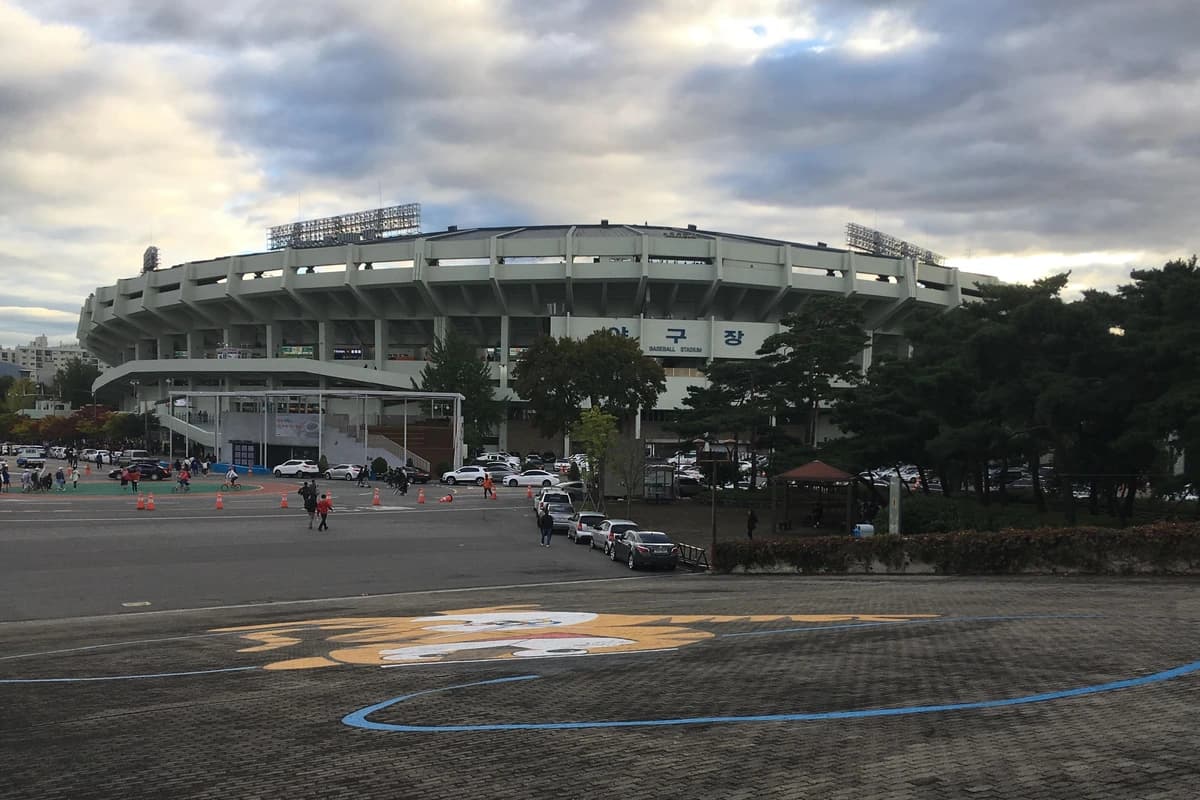
The Lights Went Out at Jamsil on Monday Night. Korea's Most Famous Ballpark Isn't Quite Finished Yet
On 12 October, after the last regular-season game at 잠실야구장, four Doosan legends stood at the bases in the dark and lifted home plate. LG had said its own goodbye five days earlier. The 44-year-old stadium is due to come down for a domed replacement — but the postseason, starting tonight with LG against Doosan, will keep it open for at least two more games.
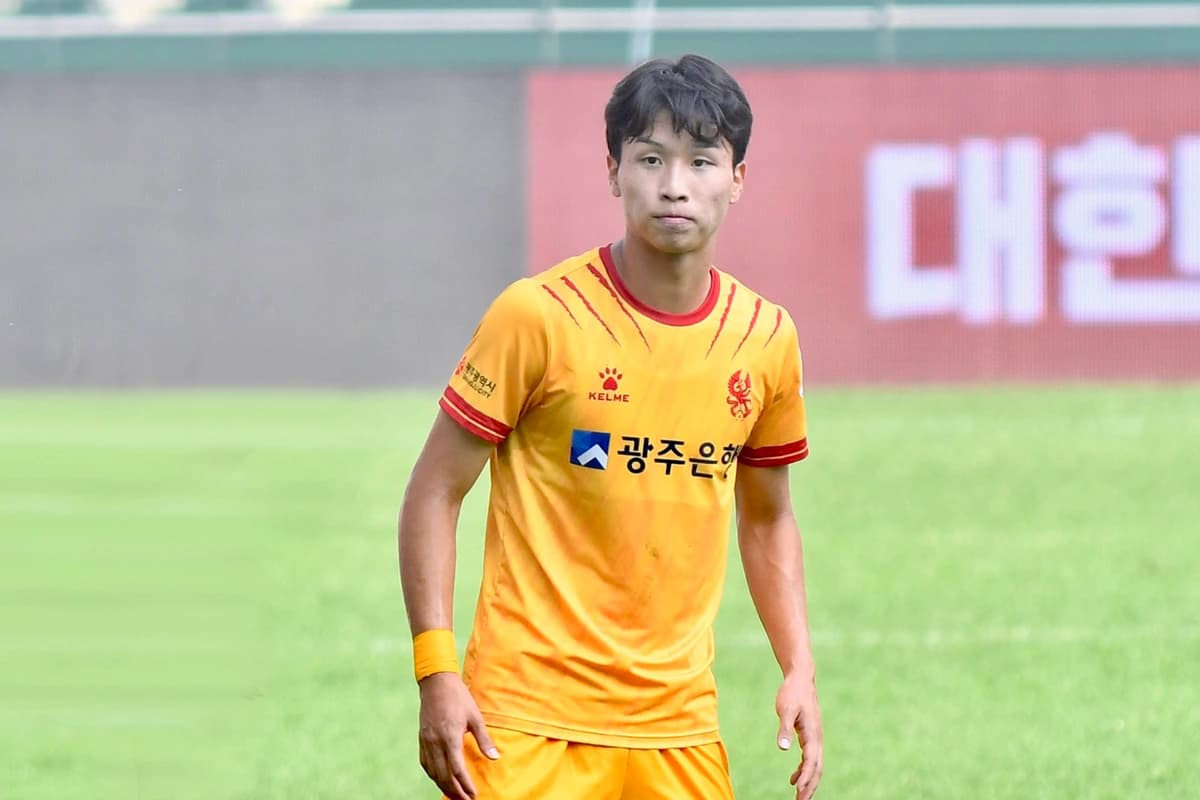
Korea Beat Japan for a Fourth Straight Asian Games Football Gold. Then Its Captain Held Up the Medal and Said, 'I'm Not Going to the Army'
엄지성's 61st-minute goal at Toyota Stadium made Korea the first side to win the men's tournament four times running, and exempted 20 of its 23 players from active military service. Within a day three of them were apologising for saying what the medal was for — and the argument about the exemption itself had started again.
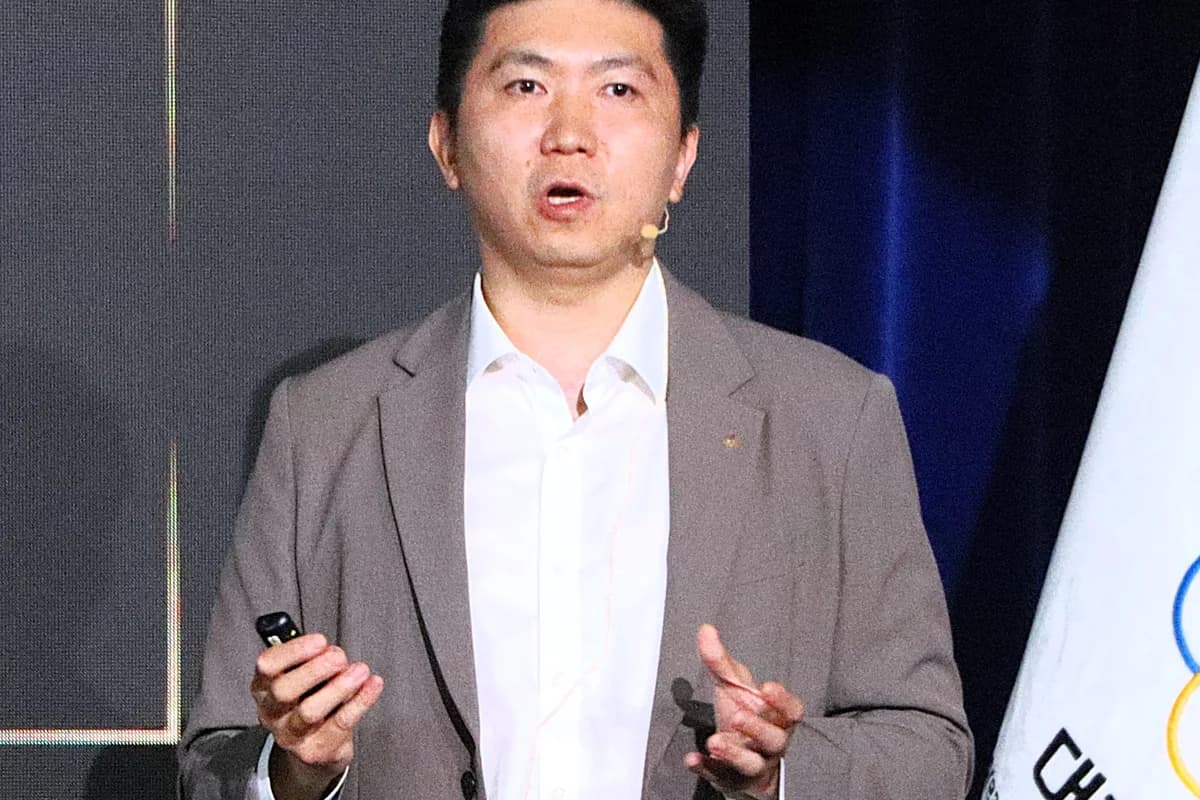
Korea's Sports Chief Gave Japan's Asian Games an F. Then the Organisers Apologised — to Japanese Spectators — for a Sign Saying the Rising Sun Flag Was Banned
The hosts of Aichi–Nagoya 2026 played North Korea's anthem for South Korea's hockey team, introduced Korea as the Republic of China at a medal ceremony, put Hideyoshi on the welcome stage, lost the basketball team's bus before the final, and housed athletes in leaking containers. Then a ballpark sign listed the Rising Sun flag among banned items, and the organising committee said sorry — in Japanese only, to its own crowd — because the flag was 'naturally' allowed. Its own rulebook bans flags that suggest political claims. It chose not to read it.
The Weekly Dispatch
Korea, curated. Every week.
The best of K-culture, straight from Seoul. Written by people who actually live here.
Free, no spam, unsubscribe whenever.