The Chuseok Table Rules Your Family Argues About First Appear in Print in 1920 — as an Insult
Red fruit east, white fruit west. Jujube, chestnut, pear, persimmon, in that order. Korean families treat these as ancient Confucian law and fight about them every Chuseok. Scholars who have gone through the ritual classics cannot find them in any of them. What they can find is a 1920 newspaper column using the phrase to mock people who quote rules to seem learned — and a sixteenth-century master who laid his own family's table with six things on it.
Chuseok is 24 to 26 September this year, and somewhere in Korea a family is about to have the same argument it has every year.
The argument is about where the fruit goes.
홍동백서 (紅東白西) — red fruit to the east, white fruit to the west. 조율이시 (棗栗梨柿) — jujube, chestnut, pear, persimmon, left to right. There are more: 어동육서, fish east and meat west; 좌포우혜, dried meat left and rice punch right; 두동미서, the fish laid head-east, tail-west.
These are treated as law. They are recited by aunts, corrected by uncles, and produced in evidence to settle disputes. They are the reason someone in your family has strong opinions about a pear.
They are not in the books.
What the scholars actually found
This has been fact-checked repeatedly in Korea, and the checking is thorough enough to name.
김미영, senior research fellow at the Korean Studies Institute (한국국학진흥원), on the direct question:
"홍동백서, 조율이시 같은 표현은 명확히 중국 예서에도 등장하지 않고 조선시대 예서에도 없다."
"Expressions like hongdongbaekseo and joyulisi clearly do not appear in the Chinese ritual texts, and they are not in the Joseon ritual texts either."
최영갑, president of the Sungkyunkwan Confucian association, co-signing with Sungkyunkwan's own ritual committee: "예법을 다룬 문헌에 홍동백서나 조율이시라는 표현은 없다" — in the literature on ritual propriety, these expressions do not exist.
The texts checked, across several of these investigations, are the ones that would settle it: 주자가례, Zhu Xi's Family Rituals, the foundational Neo-Confucian ritual manual. 국조오례의 (1474), the Joseon state's own five rites. 사례편람, 의례문해, 격몽요결, the 세종실록오례의. A fact-check by YTN in 2019 went through 주자가례, 가례편람, 사례편람 and 격몽요결 and returned nothing.
What the classics do contain is looser than anyone expects. 사례편람 lists fruit as 과(果) — "fruit." No names. No order. 격몽요결's guidance on how much to put out is 형편껏: according to your circumstances.
The oldest appearance is somebody being rude
Here is the part that makes this worth writing about rather than merely correcting.
The earliest known appearance of 홍동백서 in print is a 조선일보 column from 26 June 1920, addressed to Korea's Confucian scholars. It uses the phrase to mock them — describing people who "제수의 홍동백서 등이나 주장하여 지례자로 자위하는", who insist on things like red-east-white-west in the ritual offerings and console themselves that this makes them men who know the rites.
The word arrives in the record as an accusation of pedantry. Someone in 1920 was already rolling their eyes at exactly the uncle you are thinking of.
One honesty note, because it matters. We have this from two independent secondary sources that both cite the 1920 column, and a second source dates the phrase's first appearance to 1926. We could not open the original 조선일보 archive ourselves to read it. So: cross-corroborated, dated, and not personally verified by us.
So where did the rules come from?
Not from where the popular story says.
The standard debunking says the mnemonics were invented by the 가정의례준칙, the Family Ritual Guidelines the government promulgated on 16 January 1969 — seventy-one articles across four chapters, aimed squarely at stopping Koreans bankrupting themselves on weddings, funerals and ancestral rites. That law is real. It was revised in 1973 and 1993 and replaced in 1999.
But it cannot have invented a phrase that was already being used sarcastically in 1920. And a different government document from 1969 — the Ministry of Culture and Information's folklore survey of South Jeolla — says of the rules that "홍동백서 등은 상식으로 알고 있다": people know this sort of thing as common knowledge. In 1969 the state was recording the custom, not writing it.
The likeliest account, on the evidence, is duller and much more interesting:
- 1920s — the phrase exists, in print, as a term of mockery
- through the 1970s — rare in the press
- the 1980s — it becomes "the rule," in newspaper how-to guides
- since — cemented by forty years of seasonal "how to set your Chuseok table" features
Which is to say: the ancient Confucian law of the Korean ritual table was substantially standardised by lifestyle journalism. Every September, newspapers told a newly urban readership — people who had moved to cities, away from the grandmothers who would have shown them — how it was done. Enough Septembers, and it was how it was done.
We are, it should be said, a publication running an article about Chuseok in September. The mechanism is not mysterious to us.
What the tradition actually looked like
Two things are worth separating here, because Korean families themselves conflate them constantly.
차례 is the morning rite at Seollal and Chuseok. It is the simple one — 무축단잔, no written prayer, a single pouring of wine. 기제사 is the death-anniversary rite, held in the evening, with a prayer text and three pourings. The elaborate table belongs, historically, to the second. Much of the modern argument consists of applying 기제사 formality to 차례.
And the scale is a modern thing. A 2026 report from the Korean Studies Institute went through clan-house archives, Joseon-era diaries and 주자가례, and found that 이황 (Yi Hwang, 1501–1570) — the man on the thousand-won note, arguably the most consequential Neo-Confucian scholar Korea produced — laid his family's table with about six items: wine, rice, soup, a grilled dish, dried meat, fruit.
His own instruction: "음식은 많고 적음이 아니라 정성이 중요하다." What matters is not how much food there is, but the sincerity.
There is also a persistent and plausible account of how the tables got big, which is about class rather than piety. As Joseon's status system decayed, people who had bought yangban rank had reason to perform it, and an elaborate holiday table is a performance anyone can see. Meanwhile the genuinely old houses did the opposite — kept 차례 plain and saved the formality for the death anniversary. Clan houses in Andong are reported to mark Chuseok with a visit to the grave and nothing more. We should flag that this reading, though widely reported, is not attached in our sources to one named historian, unlike the textual findings above.
The related mechanism is attributed. 주영하 of the Academy of Korean Studies describes post-1960s urbanisation driving newspapers to publish table-setting guides, and in the process one or two families' private customs being mistaken for a national standard.
Which brings us to the one genuinely old citation anybody can produce. 송시열 (1607–1689) was asked by a disciple why fish goes east and meat west, and answered — not seriously, in Ju's reading — that in China the east is sea and the west is land. It is in his collected works. It is also, as Ju points out, 가가례: one household's custom. Every family had its own. That was the actual tradition.
Sungkyunkwan would like everyone to calm down
The institution with the strongest possible claim to authority here has spent four years trying to give people permission to stop.
In September 2022, its ritual committee published a standard Chuseok table with six categories — 송편, namul, a grilled dish, kimchi, fruit, wine — and fewer than ten items in total, with the explicit note that 전 부치지 않아도 된다: you do not have to fry the jeon. Anyone who has spent a Chuseok eve standing over a pan understands what that sentence was trying to do.
In November 2023 it went further, recommending ten items or fewer for a death-anniversary rite and five or fewer for a grave rite; that a photograph may replace the written spirit tablet; that the prayer text may be written in Hangul rather than classical Chinese; and that parents' anniversaries may be merged into one.
They grounded it not in modernity but in the classics, quoting 예기: 대례필간(大禮必簡) — great rites must be simple — and stating that the detailed placement rules most people follow are not specified in the scriptures at all.
Alongside it they commissioned a survey of 1,500 adults. 55.9 per cent said they had no plans to continue holding 제사 at all.
That is the number that explains the tone. Sungkyunkwan is not defending an institution's dignity. It is trying to make a rite survivable enough that anyone still performs it.
The pizza question
Every autumn, reliably, Korean internet argues about whether you can put fried chicken or pizza on the table.
The position that tends to come back from the ritual scholars is more relaxed than the arguing suggests: the staples — rice, soup, namul — should stay, but a ritual official quoted in 2017 saw no problem with foreign foods being offered. The ancestor, after all, is being given something to eat.
And there is precedent for a great deal more flexibility than any of this. Korean Studies Institute research into Joseon diaries turns up families simply not doing it. One entry: "나라에 역병이 돌아 차례를 지낼 수 없다" — there is plague in the country, we cannot hold the rite. Another records a village conferring during a smallpox outbreak and agreeing to skip Chuseok altogether.
Anyone who quietly did not travel home in 2020 or 2021 was, it turns out, in the tradition.
What it says
None of this makes the rules illegitimate. A custom that is a hundred years old is still a custom, and something a family has done for four generations is genuinely theirs. Traditions are allowed to have been invented; nearly all of them were.
What it does mean is that the register is wrong. The rules are being invoked as though they descend from Zhu Xi, and they descend from the 1980s newspaper page. They are being used to end arguments — this is how it is done — by people who would be startled to learn that the phrase's first known outing was a journalist accusing somebody of showing off.
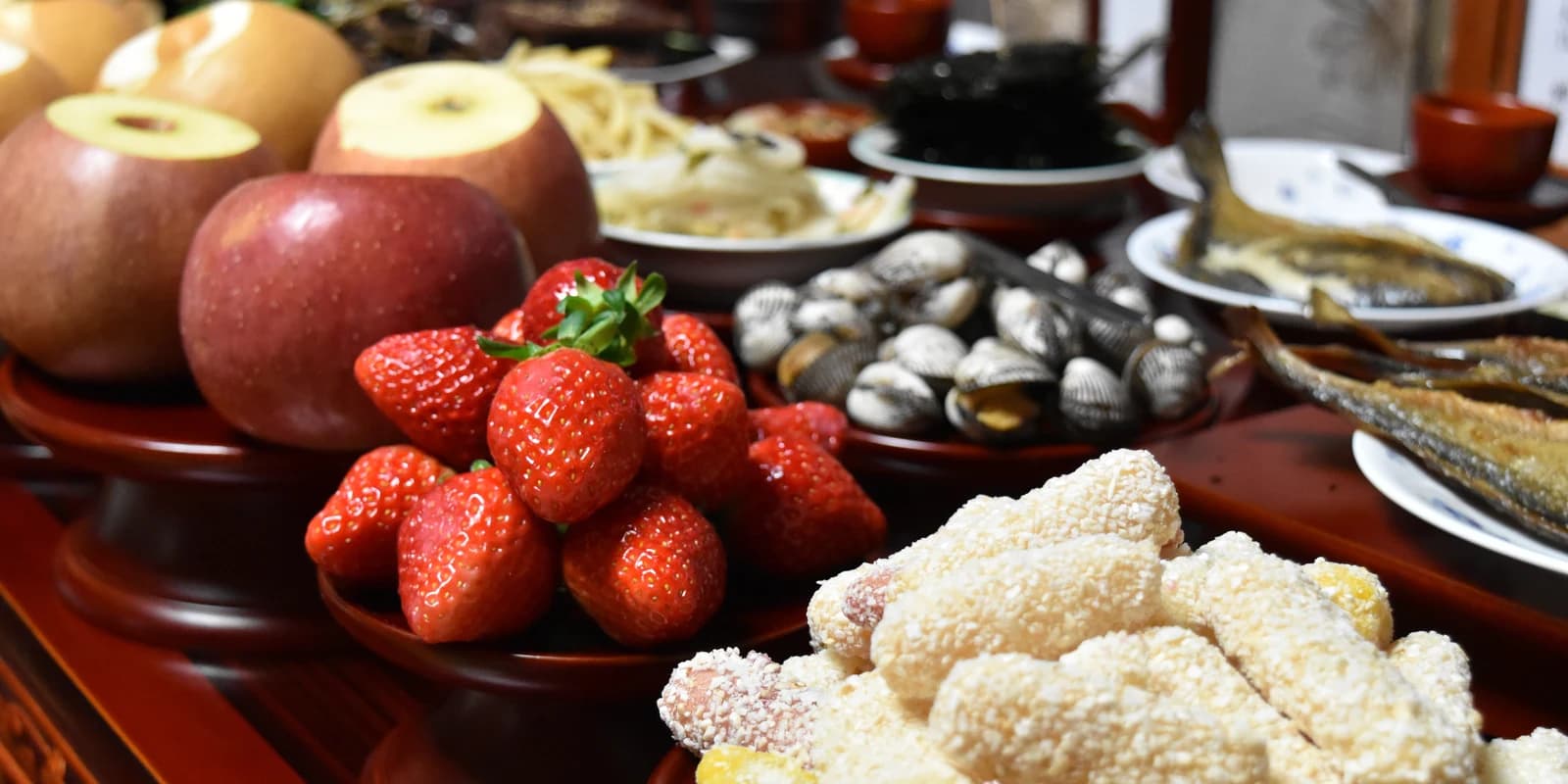
Look, in fact, at the photograph at the top of this article. It is a real 차례상, laid by a real family, and among the pears and the apples and the 유과 there is a dish piled with strawberries. Strawberries are in no mnemonic. They are not jujube, chestnut, pear or persimmon. They are not red-east or white-west. They are there because somebody's family likes strawberries and they were in season.
The scholars all land in the same place, which is more or less where 이황 was in the sixteenth century with his six dishes. It was never about the pear.
Somebody in your family is still going to move it.
For why "Korean Thanksgiving" does not survive contact with the Korean state's own documents, see Chuseok is filed under two different months. For the other rules Koreans follow without being able to say where they came from, see Korean superstitions, explained.
Images. A real 차례상, photographed by jinsoo jang on 19 February 2015 and released under CC0 via Pixabay, from Wikimedia Commons. Two things about it we should say rather than let you assume. It is a Seollal table, not a Chuseok one — the rite is the same 차례 and the placement rules are the ones argued over here, but the food differs by season, which is why there are strawberries and no 송편. And we checked it before using it: the folding screen behind is far enough out of focus that no name on it is legible, and the one person in frame is a hand and a shoulder with no face. We would not have run a photograph of somebody else's family rite on either count.
Reported from Korean fact-checking and scholarship published between 2014 and 2026, principally 오마이뉴스 (whose check on this question returned a verdict of 사실), YTN's fact-check unit, 한국일보, 경향신문, 서울경제, 뉴시스 and 서울신문's coverage of the 2026 Korean Studies Institute report, together with 성균관 의례정립위원회's own announcements of September 2022 and November 2023.
What we could not verify, stated plainly. We could not open the 1920 조선일보 column ourselves; the date and the quoted phrase come from two independent secondary sources that cite it, and one further source dates the first appearance to 1926 instead. We could not obtain the text of the 1969 가정의례준칙 to confirm whether it does or does not name these mnemonics, so we say only that it cannot have originated a phrase already in print in 1920. 건좌습우, which circulates in some lists of these rules, we could not confirm as a real term at all, so it is not in the list above. Korea Herald reported Sungkyunkwan's 2023 guidance as cutting a minimum from fifteen items to eight; the Korean-language coverage frames it as ten or fewer, and we could not reconcile the two counts, so we have used the Korean figures. The class-performance account of how the tables grew is widely reported but not, in our sources, attributed to a named historian, and we have flagged it as such in the text rather than lending it more weight than it has earned. A theory linking 홍동백서 to Japanese red-and-white symbolism circulates and is rated low-credibility by Korean researchers; we mention it only to say we are not repeating it.
Keep Reading
More Stories
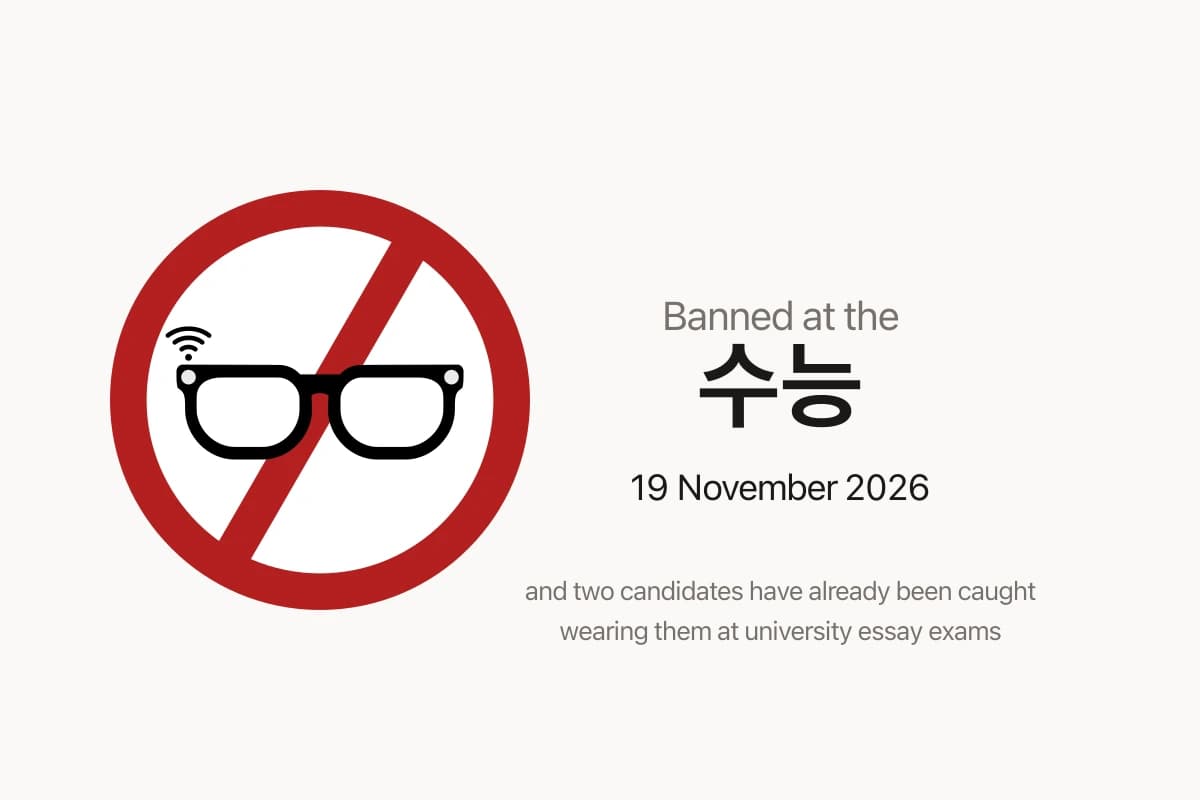
Two Candidates Wore AI Glasses Into Korean University Exams This Month. Five Weeks Later, 550,000 People Sit the 수능
At the University of Seoul on 3 October and at Yonsei a week later, proctors spotted AI smart glasses on candidates sitting essay exams for admission. Both had passed the glasses check in ordinary frames and switched once the exam began. The 수능 on 19 November already bans the devices; the question is whether anyone can see them.
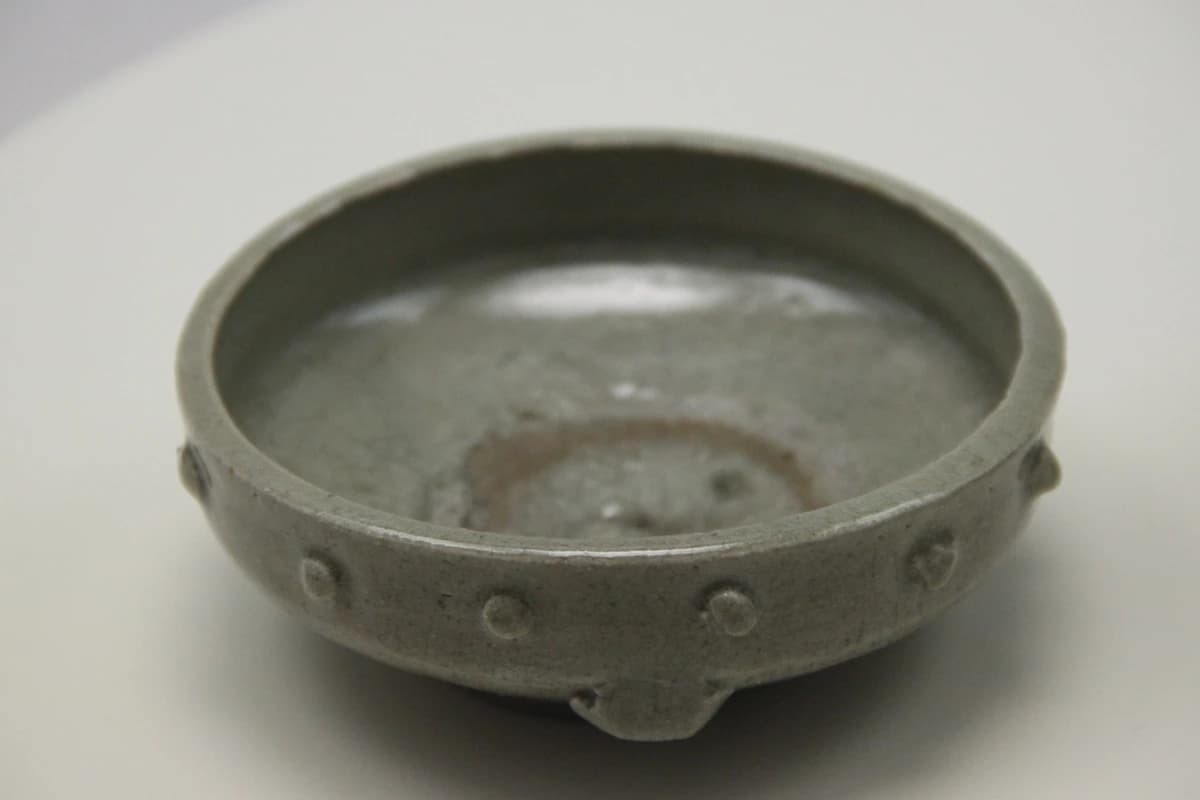
The Fisherman Hid It Under His Floorboards. The Reward He Eventually Got Set Off a Decade of Looting.
Korea marked fifty years of underwater archaeology in Mokpo in September 2026. The official story starts with a net and a report. The documented one starts with six pieces of Chinese porcelain given away as presents, a schoolteacher brother who had to get them all back, and officials who did not want the paperwork. Then the state paid a reward, a diver worked out how much of it went in tax, and for the next ten years people stole the wreck faster than the government could raise it — until the navy's own divers could not find the ship, and the excavation hired the looters.
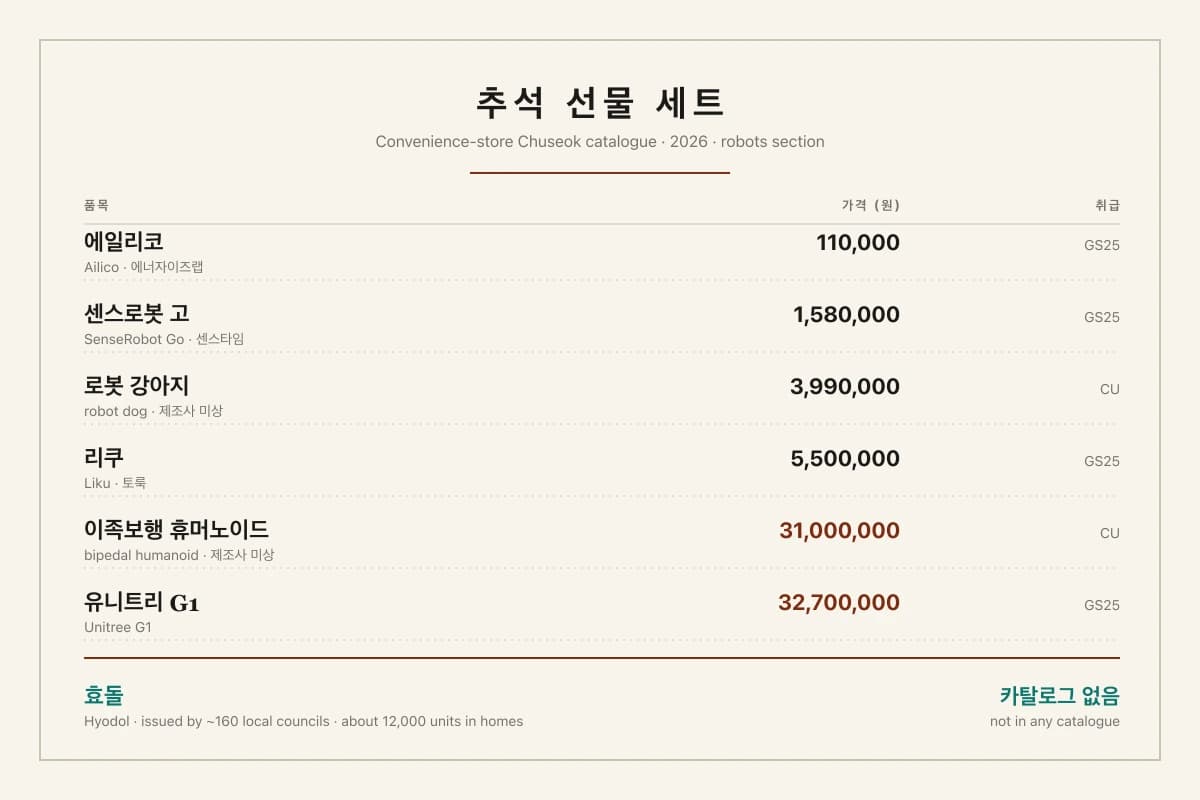
Korea's Convenience Stores Are Selling Humanoid Robots for Chuseok. Neither Chain Expects to Sell One, and Both Have Said So.
CU's holiday catalogue has a bipedal humanoid at ₩31 million, next to the beef and the gold bars. GS25 has an AI companion robot at ₩5.5 million and a keyring that talks back at ₩110,000. We assumed the pitch was companionship for parents you won't be visiting. It isn't — the retailers say plainly these are there to be noticed, not bought. Meanwhile about twelve thousand robots are already in Korean homes, asking elderly residents whether they've taken their medicine, and nobody put those in a catalogue.
The Weekly Dispatch
Korea, curated. Every week.
The best of K-culture, straight from Seoul. Written by people who actually live here.
Free, no spam, unsubscribe whenever.