Why Korea Is Obsessed With MBTI
In Korea, 'What's your MBTI?' has quietly become the new 'What's your name?' — on dating profiles, in job ads, on beer cans. Here's how a mid-century American personality test became a national social language, why it fits Korea so well, and the honest catch: the science doesn't back it up.
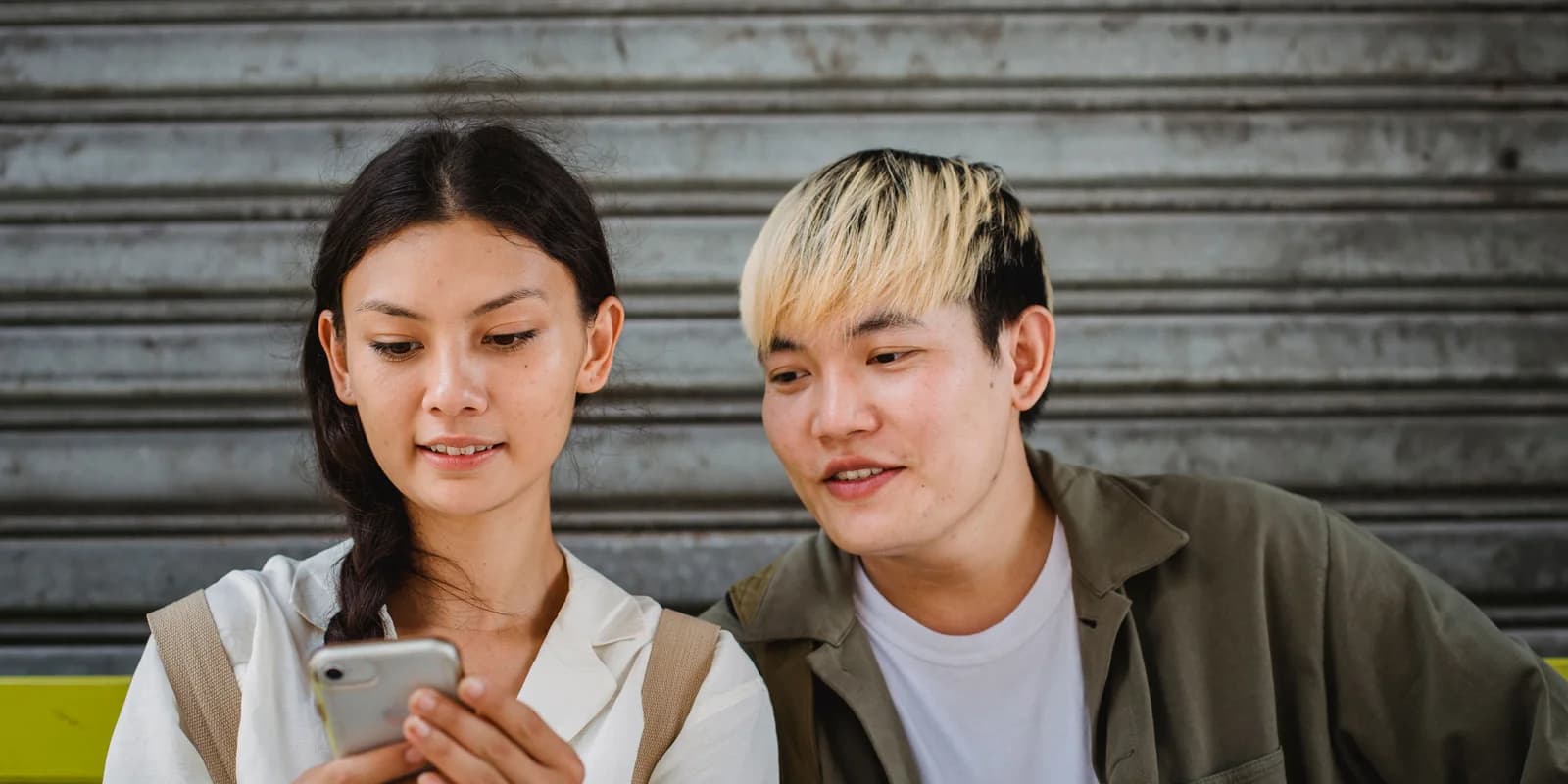
Meet a young Korean and, somewhere in the first few minutes, you may get a question that would baffle most Westerners: "What's your MBTI?" Not your job, not your hometown — your four-letter personality type. In Korea, those letters have become a genuine social language, turning up on dating-app profiles, in café job ads, on beer cans, and in the mouths of presidential candidates. Here's how an obscure American test from the 1940s became a national obsession — and the honest catch underneath it.
Just How Big Is It
This isn't a niche hobby. A December 2021 Hankook Research survey found that more than half of all Koreans had taken the MBTI — and roughly nine in ten of those aged 19 to 28 (Korea Times). When CNN reported from Seoul in 2022, they found the four letters "on ads, in casual conversation, in computer games, on Spotify playlists, at fortune-teller booths, and on first dates" (CNN).
The boom is a pandemic-era phenomenon, powered by the "MZ generation" (Korea's shorthand for Millennials and Gen Z). A Dankook University psychologist told CNN the surge came over "the past two to three years" and coincided with COVID-19 — isolated, anxious people found comfort in sorting themselves into groups. It even reached politics: during the 2022 presidential race, candidate Yoon Suk-yeol publicly identified as an ENFJ. Years later it shows no sign of fading; a Yale sociologist writing in the Korea Herald in 2025 noted that Korean celebrities and K-pop idols routinely discuss their types, and that Koreans lean on MBTI for dating, interviews, and even divvying up tasks at work (Korea Herald).
From Blood Types to Four Letters
Here's the thing to understand: Korea didn't suddenly develop a taste for personality shorthand. It just upgraded the tool.
Before MBTI, the craze was blood-type personality theory — the belief (imported and popularized from Japan) that your blood group predicts your temperament and romance compatibility: Type A precise and cautious, Type B sociable but selfish, Type O passionate, AB cool and logical (Korea Times). Go back further and you find sasang constitutional medicine, a 19th-century system sorting people into four body-and-temperament types, plus the astrology, zodiac animals, and fortune-tellers older generations consulted. MBTI simply offered a more modern, more granular version of the same appetite — 16 categories instead of 4, easier to turn into a quiz, a meme, or a T-shirt.
The Dating Filter
Nowhere is MBTI more consequential than in romance. By CNN's on-the-ground count, roughly one-third of Korean dating-app profiles list an MBTI type — and young Koreans use it to pre-screen, ruling out "incompatible" types before a first meeting even happens. One student explained she shares her type up front to "save time"; another said she saw no point dating a type she considered a mismatch.
The most-argued axis is "T versus F" — Thinking versus Feeling — with F-types cast as warm and expressive and T-types as reserved and logical. The discourse gets specific enough that certain pairings are idealized and others quietly avoided. Relationship experts find this alarming: one psychologist bluntly called using MBTI to filter dates "a terrible idea," and even the test's own publisher told CNN it "wouldn't be appropriate" to pick a partner this way. Koreans are doing it anyway.
MBTI at Work
This is where the obsession turns genuinely thorny. Some Korean employers have started screening job applicants by personality type. In one documented case, a Seoul café posted a listing saying it hired by MBTI — wanting extroverts, and explicitly telling ENTJ and ESFJ types not to bother applying. Surveying job portals on a single day in early 2022, one newspaper found several stores listing MBTI as a hiring condition, and some larger firms asked applicants to state their type and analyze its strengths and weaknesses in application essays (Kyunghyang Shinmun).
Job-seekers have pushed back hard — being told your type is the one interviewers "least want" is a demoralizing new way to be rejected — and experts warn the test was never built to be an objective hiring filter. It's a real, reported issue, and a reminder that a fun quiz stops being fun the moment it decides your paycheck.
The MBTI Economy
Where there's obsession, there's merchandise. Korean brands bolted MBTI onto everything: a dating-simulator app called MBTI Blind Date was downloaded over a million times in its first week; Jeju Beer released a can series marked with all 16 type codes; Kakao sold out of 16-type T-shirts; a travel company offered holiday recommendations by type; and there's a bottomless well of MBTI-themed YouTube and variety-TV content, much of it built around idols revealing their letters (CNN, Korea Times). The commercial logic is simple: celebrities keep MBTI culturally hot, and fans follow.
But… Is It Real?
Here's the part the enthusiasm tends to skip. The scientific mainstream does not consider MBTI valid or reliable. Studies have found that a substantial share of people get a different four-letter result when they simply retake the test a few weeks later — not what you'd expect from a stable measure of personality (CNN). Its creators, Katharine Cook Briggs and her daughter Isabel Briggs Myers, built it in the 1940s from Carl Jung's speculative typology, and neither had formal training in psychology (Korea Herald). One psychologist, quoted by the Yale sociologist, likened the MBTI to "an elaborate Chinese fortune cookie." Researchers generally point to the Big Five model as the evidence-backed alternative.
None of which has dented its popularity — and both things can be true at once. MBTI is a massive, genuine cultural force in Korea and something scientists regard as closer to astrology than assessment. The trait descriptions ("ENFP = enthusiastic," "T = logical") are best read as the test's own friendly marketing, not proven facts about a person.
Why Korea, Specifically?
So why did this particular test land so hard here? Experts offer a braid of overlapping reasons:
- Anxiety and belonging. Sorting yourself into a group with others eases anxiety — "people feel less anxious when they are united in a group," one psychologist told CNN — and a pandemic supplied plenty of anxiety.
- A hyper-competitive society. A Korea University sociologist argues that Koreans, living under relentless competition for limited spots, reach for tools that offer guidance and reassurance about who they are.
- Collectivism and smoother relationships. In a society that prizes belonging and harmony, MBTI gets adopted as a way to understand others and reduce friction.
- Efficiency. For a time-poor, burned-out generation facing a brutal job market and sky-high housing costs, knowing a person's "type" in advance feels like a shortcut worth taking.
- A test-loving culture. As the Yale sociologist notes, Korea already runs on tests — the life-defining Suneung, licensing exams, endless job assessments — so a questionnaire that sorts your personality feels natural, even authoritative. And MBTI is only the newest typing system Korea has embraced — saju, the four-pillars fortune-reading, has been classifying Koreans by birth chart since the Goryeo era, and it's booming right alongside the four letters. Before either of them held the slot, there was blood type — a theory 57% of Koreans still endorse, and one that turns out not to be Korean at all.
Put together, MBTI fits Korea like a key in a lock: a fast, competitive, deeply relational society, handed a friendly, shareable way to answer the oldest question there is — who are you, and will we get along? It's the same age-conscious, relationship-mapping instinct that runs through how Koreans address each other and how they count age, pointed at a new set of letters. The science says the letters don't mean much. In Korea, socially, they mean quite a lot.
Survey figures, the dating and hiring examples, the merchandise, and the expert explanations are drawn from the linked sources, including CNN, the Korea Times, the Korea Herald, and Kyunghyang Shinmun, and are dated in-text. MBTI's scientific standing is described as the mainstream view; personality-type traits are the test's own descriptors, not validated facts. Images are illustrative photographs of young people and everyday social life, via Pexels (Pexels License): hero by Ron Lach, cover by Samson Katt, card by Sam Lion. They depict models, not identified Korean individuals.
Keep Reading
More Stories
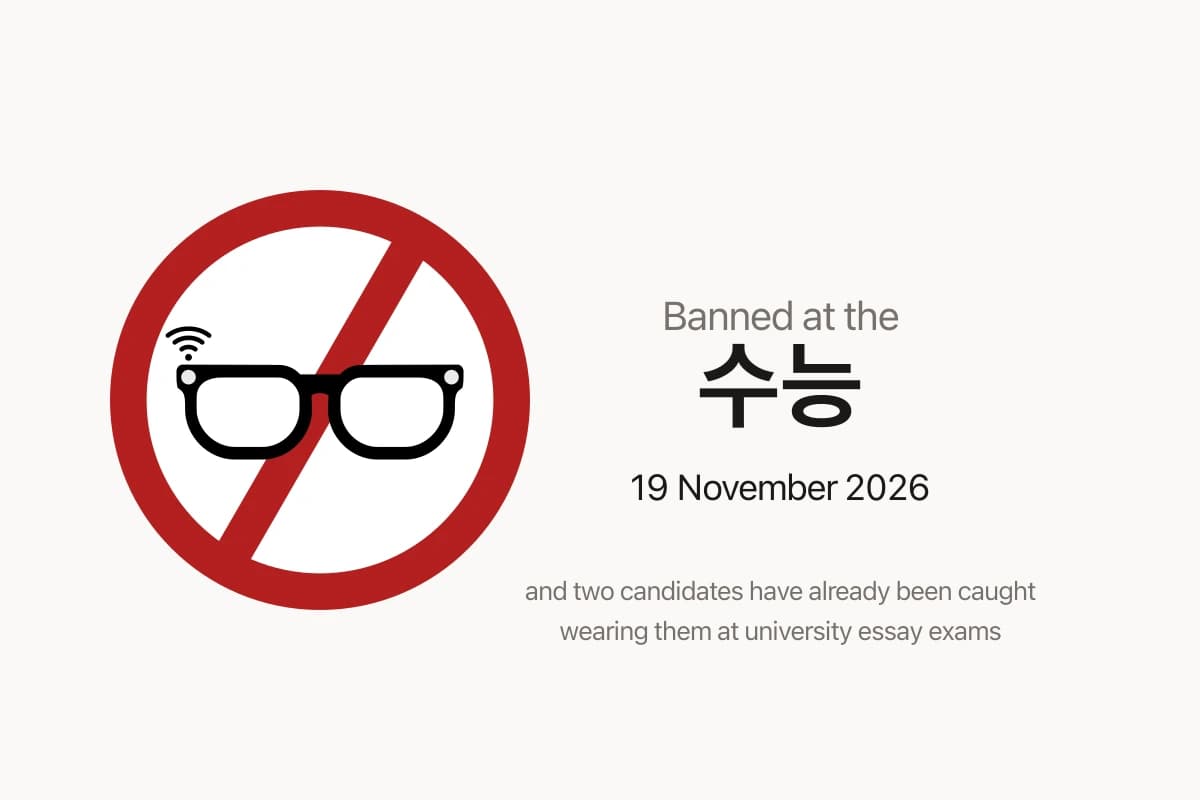
Two Candidates Wore AI Glasses Into Korean University Exams This Month. Five Weeks Later, 550,000 People Sit the 수능
At the University of Seoul on 3 October and at Yonsei a week later, proctors spotted AI smart glasses on candidates sitting essay exams for admission. Both had passed the glasses check in ordinary frames and switched once the exam began. The 수능 on 19 November already bans the devices; the question is whether anyone can see them.
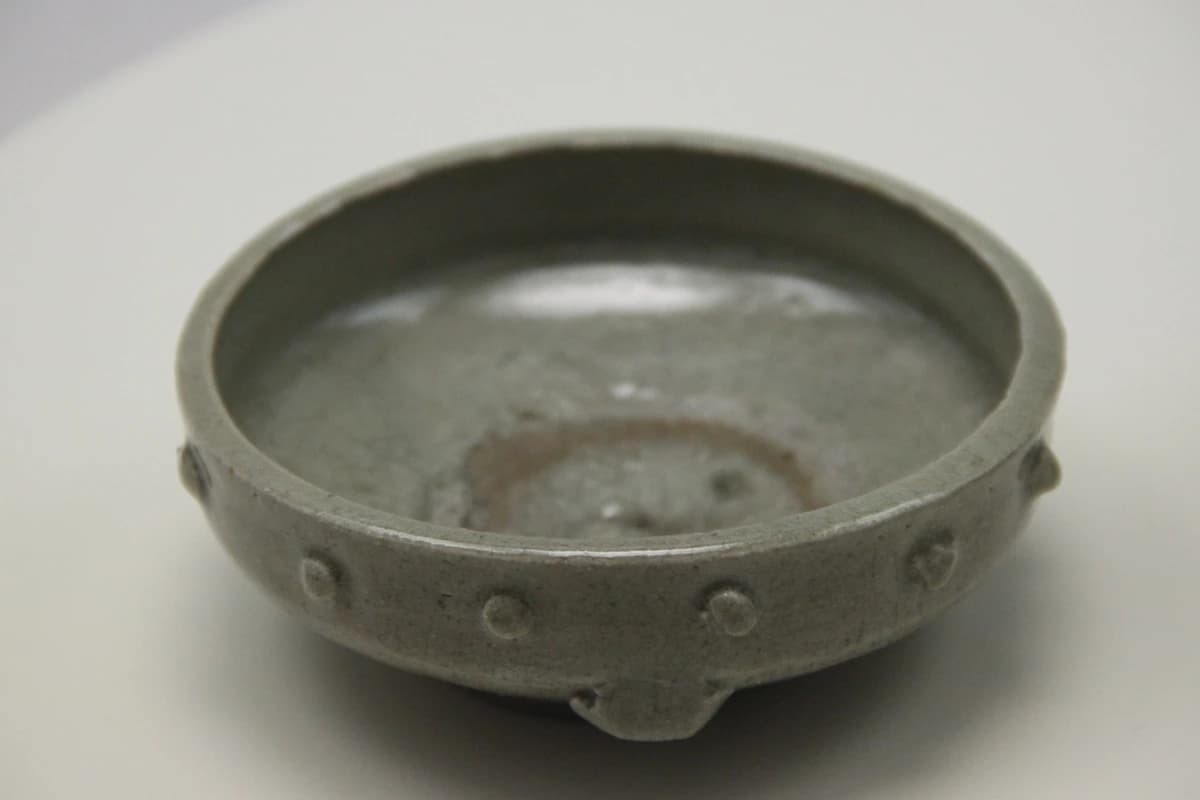
The Fisherman Hid It Under His Floorboards. The Reward He Eventually Got Set Off a Decade of Looting.
Korea marked fifty years of underwater archaeology in Mokpo in September 2026. The official story starts with a net and a report. The documented one starts with six pieces of Chinese porcelain given away as presents, a schoolteacher brother who had to get them all back, and officials who did not want the paperwork. Then the state paid a reward, a diver worked out how much of it went in tax, and for the next ten years people stole the wreck faster than the government could raise it — until the navy's own divers could not find the ship, and the excavation hired the looters.
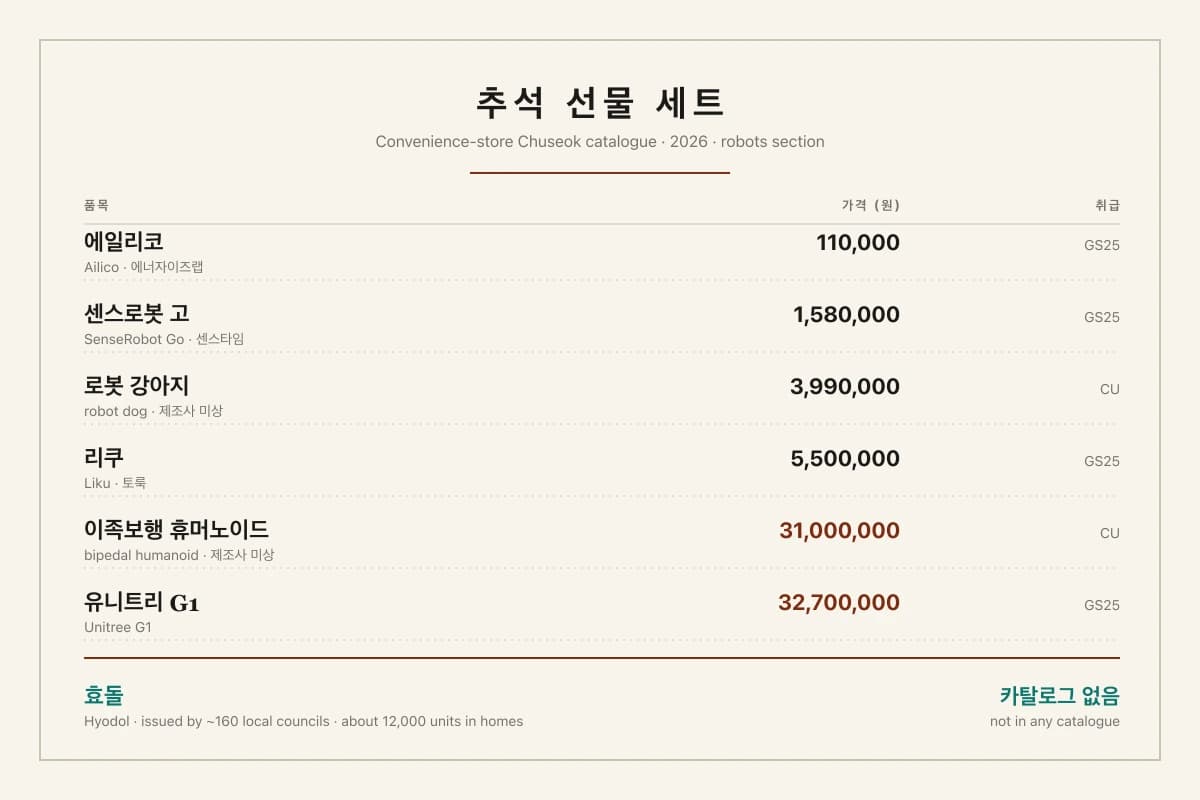
Korea's Convenience Stores Are Selling Humanoid Robots for Chuseok. Neither Chain Expects to Sell One, and Both Have Said So.
CU's holiday catalogue has a bipedal humanoid at ₩31 million, next to the beef and the gold bars. GS25 has an AI companion robot at ₩5.5 million and a keyring that talks back at ₩110,000. We assumed the pitch was companionship for parents you won't be visiting. It isn't — the retailers say plainly these are there to be noticed, not bought. Meanwhile about twelve thousand robots are already in Korean homes, asking elderly residents whether they've taken their medicine, and nobody put those in a catalogue.
The Weekly Dispatch
Korea, curated. Every week.
The best of K-culture, straight from Seoul. Written by people who actually live here.
Free, no spam, unsubscribe whenever.