What Is Kimchi? Types, Taste, and How Koreans Actually Eat It
It's the little red side dish that appears at nearly every Korean meal — and it's a lot more than 'spicy cabbage.' A field guide to what kimchi actually is, the varieties beyond the famous one, why it gets funkier with age, and how Koreans really eat it.
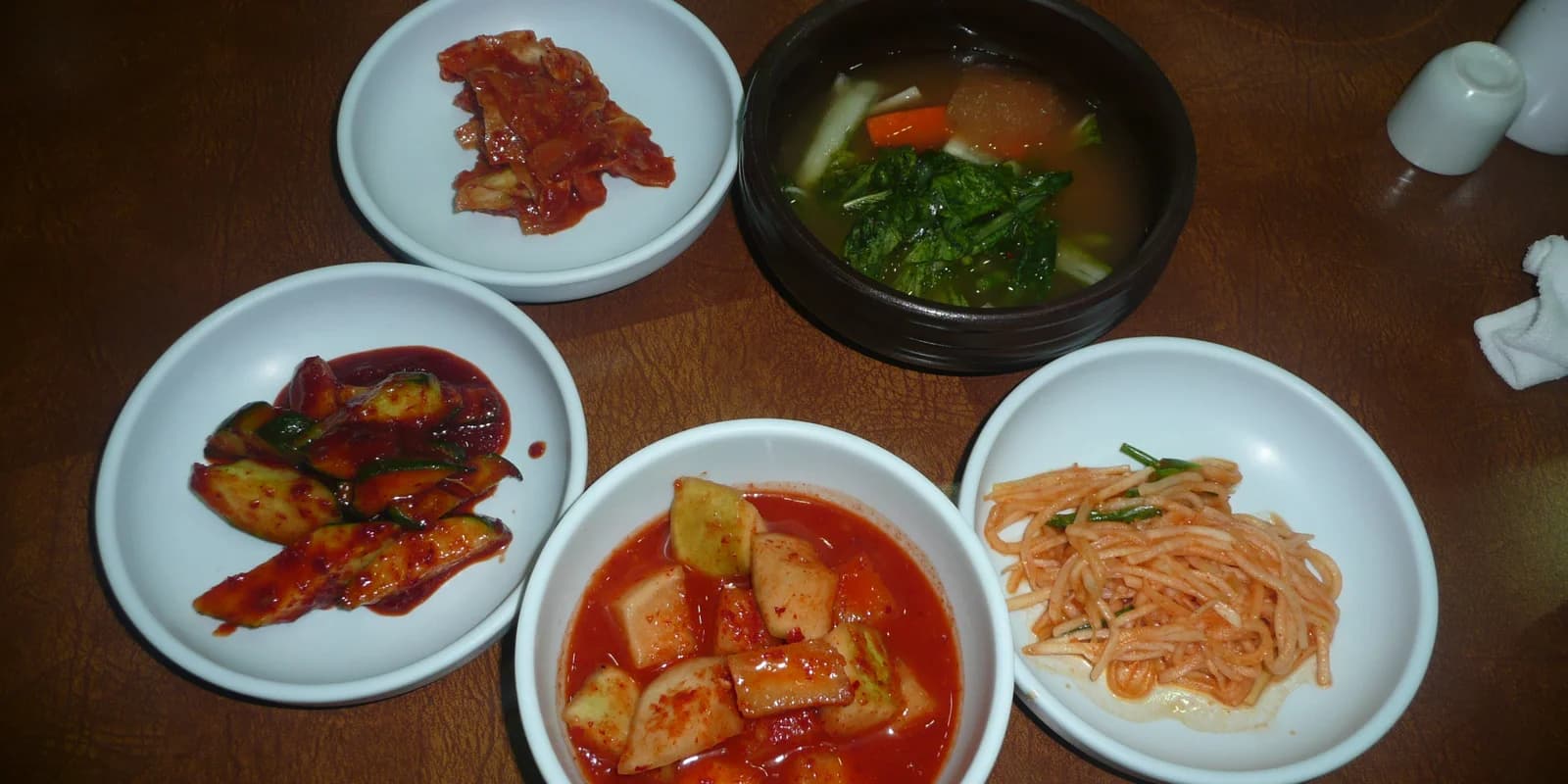
Sit down at a Korean restaurant and, before you've ordered, a small dish of something red and glistening arrives — and keeps getting refilled all meal, free. That's kimchi (김치), and calling it "spicy cabbage" is like calling wine "old grape juice." It's Korea's national side dish, a living fermented food eaten at nearly every meal, and it comes in more forms than most visitors ever realize. Here's what it actually is — an eater's guide, not a recipe.
The One-Sentence Definition
Kimchi is a traditional Korean banchan (반찬, side dish) of salted and fermented vegetables — most often napa cabbage (배추, baechu) or Korean radish (무, mu) — coated in a seasoning paste and left to ferment (Wikipedia, UNESCO).
The magic is lactic-acid fermentation, the same process behind sauerkraut and yogurt. Naturally present bacteria eat the vegetables' sugars and produce lactic acid, which gives kimchi its signature sour tang and preserves it for months. Traditionally it was packed into onggi (옹기), glazed earthenware crocks buried in the ground to hold a steady, cool temperature through the winter (Wikipedia). And it is genuinely everywhere in Korean eating — UNESCO calls it "an essential part of Korean meals, transcending class and regional differences."
What's Actually In It
The red paste is where kimchi gets its character. The standard base is gochugaru (고춧가루, Korean red-pepper flakes), garlic, ginger, scallion, and — the secret weapon — jeotgal (젓갈), salted fermented seafood (Wikipedia). That last one is the source of kimchi's savory funk: usually saeu-jeot (새우젓, salted tiny shrimp) or myeolchi-jeot (멸치젓, salted anchovy sauce), which add a deep, briny umami you can't get any other way (Maangchi). Northern and milder regions lean on salted shrimp; southern regions go bolder with anchovy.
Worried about the seafood? Vegetarian and vegan kimchi exist. Vegan versions (채식김치) swap the jeotgal for umami from kelp stock, soy, and mushrooms, and Buddhist temple kimchi goes further still, leaving out even garlic and green onion in keeping with monastic precepts (Maangchi). Kimchi is a technique, not a single fixed recipe — which is exactly why there are so many kinds.
It's Not One Thing: A Types Atlas
Ask for "kimchi" in Korea and you might get any of dozens of things. The essentials, cross-checked against Korean and reference sources (Wikipedia, Britannica):
- 배추김치 (baechu-kimchi) — the classic. Whole or quartered napa cabbage in red seasoning; the one you picture.
- 깍두기 (kkakdugi) — cubed radish, crunchy and slightly sweet; the standard partner to beef-bone soups.
- 총각김치 (chonggak-kimchi) — small "ponytail" radishes with their greens left on; nicknamed "bachelor kimchi."
- 오이소박이 (oi-sobagi) — cucumbers stuffed with seasoning; crisp and cooling, a summer favorite.
- 열무김치 (yeolmu-kimchi) — young summer radish, greens and all; light and refreshing, great over cold noodles.
- 동치미 (dongchimi) / 나박김치 (nabak-kimchi) — water kimchi: mild, lightly seasoned, served in its own brine. Dongchimi's fizzy, sweet-sour liquid is meant to be drunk.
- 백김치 (baek-kimchi) — "white kimchi," made with no chili at all. Mild, clean, and the friendliest starting point if you don't like heat.
- 갓김치 (gat-kimchi) — pungent mustard leaf, associated with the Jeolla region.
And that's just the headliners: there are more than 100 recognized varieties, shifting by region, season, and family (Wikipedia). Kimchi is less a dish than a whole category.
What It Tastes Like (and Why It Changes)
Here's the thing that trips up newcomers: the same kimchi tastes different depending on how old it is. Koreans even have names for the two ends of the spectrum (Wikipedia):
- 겉절이 (geot-jeori) — fresh, barely-fermented "salad" kimchi, eaten within a day or two. Crunchy, bright, more raw vegetable than funk.
- 묵은지 (mugeun-ji) — kimchi aged for months or even years. Soft, deeply sour, powerfully savory.
Between them runs a slow slide: kimchi starts salty and fresh, and grows tangier as the bacteria keep working, turning noticeably sour around the one-month mark and deepening from there. Crucially, sour kimchi isn't spoiled kimchi — it's a different ingredient. Over-ripe, funky kimchi is actually preferred for cooking, where its concentrated tang becomes the backbone of a stew. Nothing gets thrown away; it just graduates to the stove.
How Koreans Actually Eat It
Two ways, really. First, as banchan — those little dishes of it next to the rice, at breakfast, lunch, and dinner. But the second life of kimchi is in cooked dishes, and this is where aged, sour kimchi shines:
- 김치찌개 (kimchi-jjigae) — kimchi stew, ideally made with the sourest kimchi you've got.
- 김치볶음밥 (kimchi-bokkeumbap) — kimchi fried rice, the classic use-up-the-leftovers meal.
- 김치전 (kimchi-jeon) — a savory kimchi pancake, a favorite alongside Korean BBQ or a rainy-day snack.
- And simply stirred into instant ramyeon, soft-tofu stew, and more.
The clearest sign of how seriously Korea takes kimchi is an appliance: the kimchi refrigerator (김치냉장고), a dedicated fridge engineered to hold kimchi's ideal cold, steady, humid conditions — the modern replacement for burying onggi. The idea traces back to GoldStar (a predecessor of today's LG) in 1984, boomed after Winia's "Dimchae" in the mid-1990s, and now sits in the vast majority of Korean homes (Wikipedia). When a country builds a second refrigerator just for one food, you know it's not really a side dish.
Why It Matters: Kimjang, Identity, and a Naming Fight
Kimchi carries a cultural weight far beyond the plate. Every late autumn comes 김장 (kimjang) — the communal making and sharing of huge batches of kimchi so every household is stocked for winter. Families and neighbors gather to salt, season, and pack cabbage together, and the recipes pass down like heirlooms, "typically transmitted from a mother-in-law to her newly married daughter-in-law." In 2013, UNESCO inscribed kimjang on its Representative List of the Intangible Cultural Heritage of Humanity, praising how it reaffirms Korean identity and binds communities together (UNESCO, Korea.net).
That identity is fiercely felt, which is why kimchi has even become a diplomatic flashpoint. Amid friction with China over fermented-vegetable origins and Chinese-produced kimchi in export markets, South Korea's culture ministry in 2021 designated 辛奇 (xinqi) as kimchi's official Chinese-language name — a coinage chosen to sound like "kimchi" and draw a clear line from Chinese pao cai (泡菜) (CNN Travel). It's worth being precise about what that did and didn't do: the xinqi label is required only for the Korean government and its bodies — a recommendation for private companies — and an earlier attempt to popularize it fizzled. It's less a done deal than a live tug-of-war over who gets to name a national food.
A Quick Word on Health
Kimchi has a healthy reputation, and some of it is earned: it's low in calories, offers fiber and vitamins, and — because it's fermented — contains live probiotic bacteria (Healthline). But keep expectations honest. Much of the research on gut, immune, and metabolic benefits is early-stage, and the strongest study (Stanford's) looked at fermented foods in general, not kimchi specifically. It can also be fairly high in sodium. So: a genuinely nourishing, probiotic-rich food that may support gut health — not a medicine. Enjoy it as what it is.
Where to Start
If you're new to it, don't begin with a jar of two-year-old mugeun-ji. Start mild — a fresh baechu-kimchi, or non-spicy baek-kimchi — and eat it the Korean way, as a bright, tangy counterpoint to rich or savory food. Then, once the flavor clicks, try it cooked: a bubbling bowl of kimchi-jjigae is where a lot of people fall for it for good. The little red dish that keeps refilling isn't an afterthought. It's the quiet center of the whole Korean table. For more of that table, see what Koreans actually eat at 2am, the convenience-store food that runs on it — and soju, the green-bottle spirit that anchors the whole spread.
Definitions, types, the UNESCO 2013 kimjang inscription, and the 2021 xinqi naming decision are drawn from the linked sources; the "over 100 varieties," kimchi-fridge ownership, and health claims are stated in deliberately conservative terms per those sources. Health benefits are described as "may/associated," not medical advice. Images are real Korean kimchi, all license-clean via Wikimedia Commons: homepage/hero (napa-cabbage kimchi) and listing card (radish kimchi) by Choi Kwang-mo, CC0; cover (an array of kimchi types) by Brücke-Osteuropa, CC0.
Keep Reading
More Stories
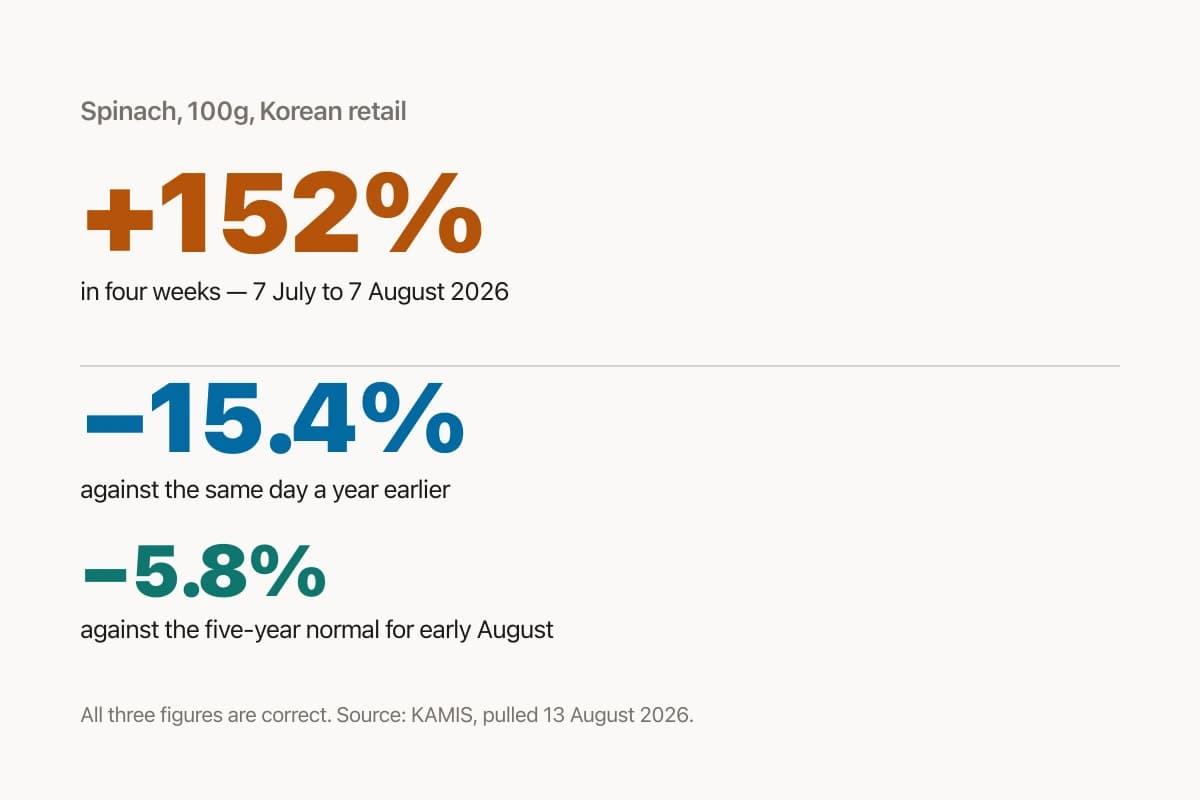
Spinach Is Up 152% in a Month. It's Also Cheaper Than It Was Last August.
Korean vegetable prices produced a genuinely alarming number this month: spinach at ₩1,978 per 100g on 7 August, up from ₩784 four weeks earlier. Both figures are real and we pulled them ourselves. But spinach is currently 15% cheaper than it was a year ago and below the five-year normal — and the agriculture ministry has taken the unusual step of asking people to stop making the comparison that produced the headline.
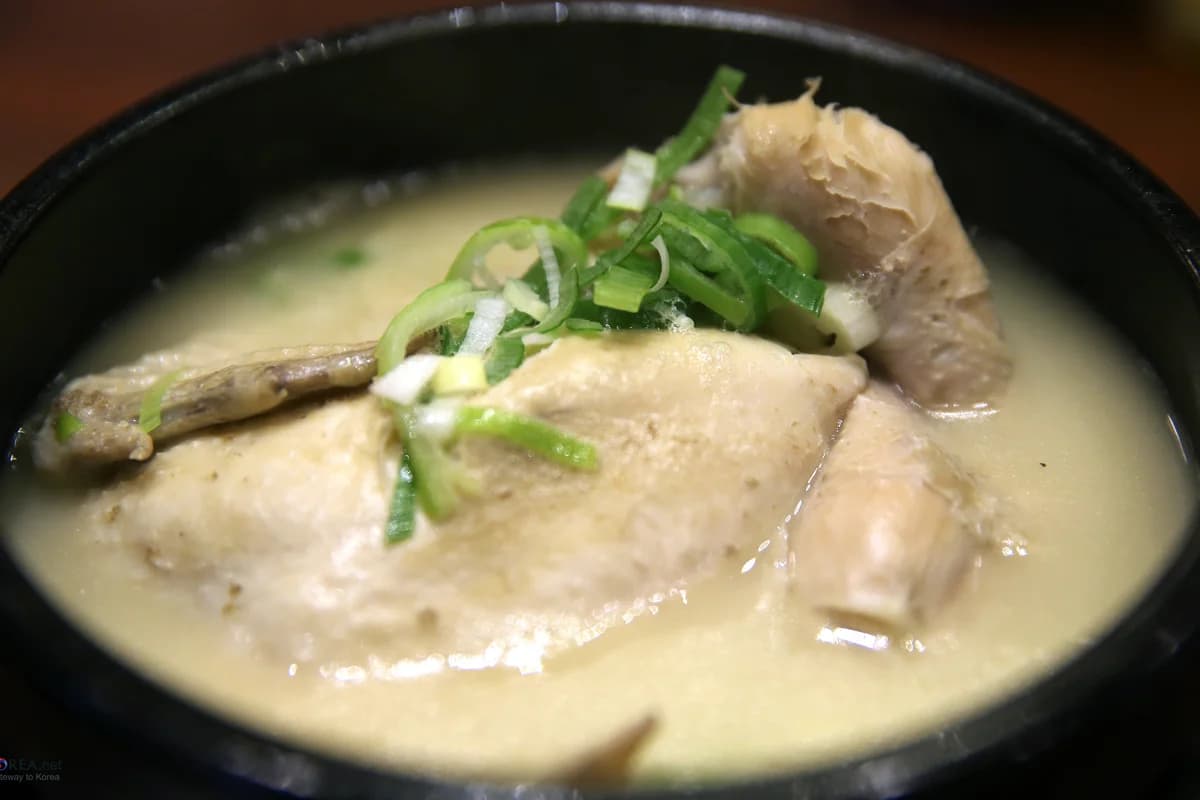
The ₩18,154 Bowl: How Korea's Hottest-Day Ritual Got Priced Out
On the hottest days of the year, Koreans queue for boiling chicken soup. But samgyetang now costs ₩18,154 in Seoul — while the same ingredients run ₩8,800 at a market. Jungbok falls on July 25. A guide to boknal, the logic of fighting heat with heat, and why the convenience-store version isn't the end of a tradition.
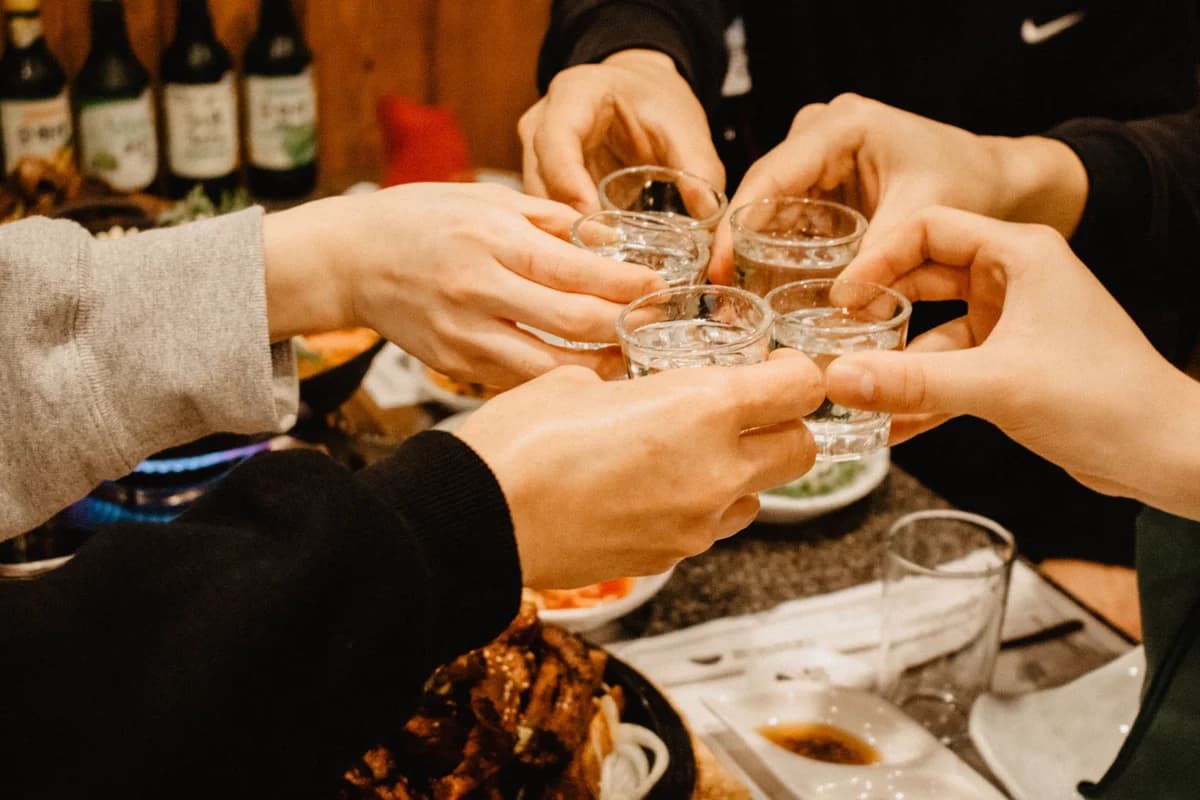
What Is Soju? Korea's Green-Bottle Spirit, Explained
It's the best-selling spirit brand on Earth, and most people outside Korea couldn't pick it out of a lineup. A field guide to soju: what's actually in the green bottle, how a 1965 rice ban created the modern version, why it's suddenly conquering export markets — and how to drink it like you know what you're doing.
The Weekly Dispatch
Korea, curated. Every week.
The best of K-culture, straight from Seoul. Written by people who actually live here.
Free, no spam, unsubscribe whenever.